How to Store Polaroid Film Without Losing Color
A fresh pack of Polaroid film is a small, light-sensitive object with a point of view. If you want to know how to store Polaroid film without losing color, keep unopened packs sealed in their original foil wrapper and store them in a cool, dark place—ideally a refrigerator at 41 to 65°F—away from heat, direct light, moisture, and temperature swings; before shooting, let refrigerated film come back to room temperature for 1 to 2 hours. Its soft highlights, saturated color, and imperfect charm depend as much on storage as the camera in your hand.
For urban creative professionals, design-minded instant shooters, and anyone trying to preserve the look of Polaroid film, this matters because the chemistry inside each pack directly affects color, contrast, and how reliably an image develops. Film is not fragile in a precious, museum-only sense. It is simply chemistry. In the sections ahead, you will find practical guidance for storing Polaroid film before and after shooting, reading expiration dates, packing film for travel, avoiding common storage mistakes, and getting the best possible development results when the moment you have been saving for finally arrives.
How to Store Polaroid Film Before You Shoot
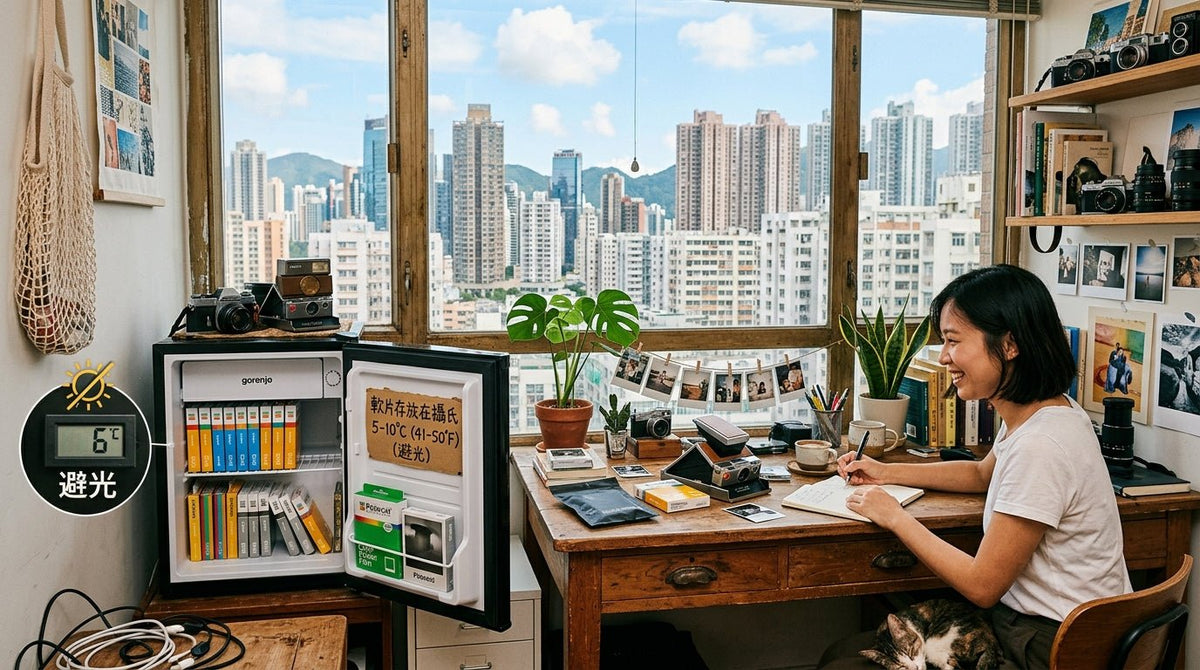
For unopened packs, the refrigerator is the best long-term storage option. Keep film at about 41 to 65°F, ideally in a clean section of the fridge away from spills, strong odors, frequent temperature swings, and damp areas. A dedicated drawer or small sealed container works well, especially if your refrigerator tends to run humid; for example, tupperware can help limit moisture exposure.
Leave each pack in its original foil wrapper until you are ready to load it. That wrapper is more than packaging. It helps protect the film from light, moisture, and accidental damage while keeping your supply organized by format and expiration date. Before putting a pack back with the rest, check the date on the box.
Do not freeze Polaroid film. Freezing can damage the chemical pods that spread developer across each photo after it ejects from the camera. A fridge offers the cool, consistent conditions film likes without creating that risk.
If you plan to use the film within a few weeks, a dark cabinet in a climate-controlled room is usually fine. The key is consistency. A kitchen shelf near the oven, a sunny studio ledge, a car glove box, or a bathroom cabinet are all poor choices because they are hot, sunny, or damp areas where conditions change fast.
Let Refrigerated Film Warm Up First
Cold film should not go straight from the refrigerator into your camera. Let the unopened pack rest at room temperature for at least one to two hours before shooting. This helps the chemistry develop evenly to ensure the best results and reduces the chance of dull color, weak contrast, or inconsistent results.
Keep the foil sealed while the pack warms up. Opening cold film in a humid room can introduce condensation, which is not what you want near light-sensitive materials. If your home is especially warm or humid, wrap the foil pack before it warms, give it a little more time, and keep the pack out of direct sunlight as it comes to temperature.
This pause is part of the ritual. Choose your camera, charge it if needed, pick the bag you are taking, and let the film settle in. Instant photography rewards a slightly slower pace.
Store by Expiration Date, Not Just by Format
Polaroid film is designed to be used by the date printed on its packaging. The film may still produce an image after that point, but color fidelity and development consistency become less certain. Sometimes that uncertainty creates a beautifully faded, experimental result. Other times it simply means a missed shot.
Organize your film with the earliest expiration date at the front. If you keep a small collection of i-Type, 600, and SX-70 packs, label a storage box or use separate sections so the right format is easy to grab. This avoids the frustrating moment when a perfect scene appears and the only pack in your bag does not fit your camera.
There is a useful trade-off here. Refrigeration helps preserve film closer to its intended look, while expired film can be creatively unpredictable. Neither approach is wrong. Store your newest packs carefully for the moments you do not want to gamble on, and save older stock for test shots, experimental light, and low-pressure afternoons.
What to Do Once Film Is Loaded in a Camera
Once a film pack is loaded, do not remove it until you have finished the pack. Opening the film door exposes the remaining frames to light and can ruin them. The dark slide protects the pack only before the camera ejects it, while the photo is ejected separately during shooting. After that, the camera itself is the film's protection.
Keep a loaded camera in a bag when you are not shooting, particularly outdoors. A padded compartment protects against knocks, but the larger advantage is shade. Avoid leaving a loaded camera on a car seat, dashboard, or windowsill. Cars heat up quickly, and intense heat can compromise both the film and the camera battery.
If you are shooting in cold weather, keep the camera close to your body inside a jacket or bag between photos. Cold temperatures can slow development and mute colors temporarily. After taking a photo, place it in an inside pocket to develop at a more moderate temperature, and wait before judging color. That small move can make a noticeable difference in the final frame.
Do Not Chase the Print With Sunlight
You may have heard this advice before: new Polaroid photos benefit from protection while they develop. Shield the image from direct light immediately after it ejects by placing it face down, slipping it into a pocket, or using the camera's film shield if your model has one to ensure cleaner development while the image is still sensitive. This is different from storing unused film, but it follows the same principle: light is part of the process, not always the friend of the chemistry.
Development time varies by film type and ambient temperature. Resist the temptation to bend, shake, or inspect the photo every few seconds, since making the image settle naturally works better than interfering. Set it down, let the image arrive, and enjoy the reveal when it is ready.
Travel Storage for Polaroid Film
A weekend away does not require a portable refrigerator. For short trips, store unopened film in its foil wrapper inside a cool, dark part of your bag. A camera pouch or insulated compartment can offer useful protection, as long as it does not sit in direct sun or a hot trunk.
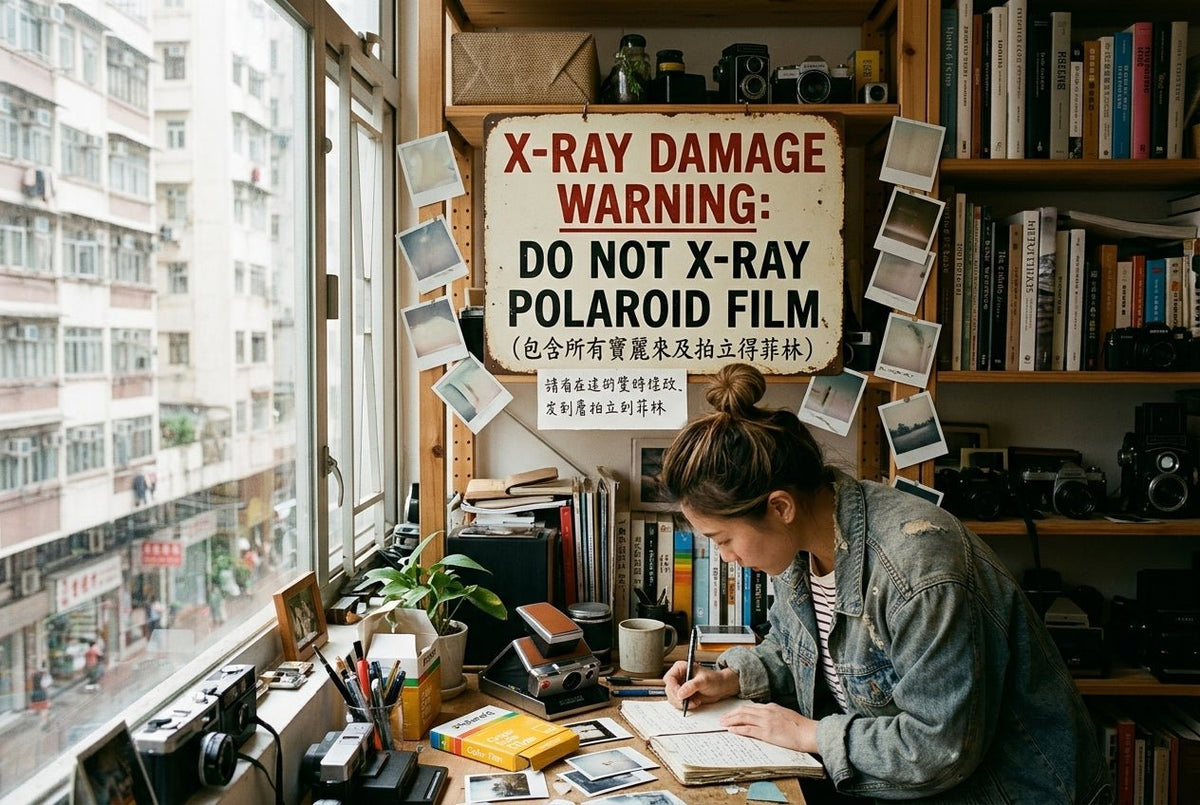
If you are traveling by air, keep film in your carry-on rather than checked luggage. Checked bags can face more extreme temperature changes. Airport screening equipment also varies, so ask for a hand inspection of your instant film when possible, particularly when carrying multiple packs or traveling with film you want to preserve carefully.
For longer trips in hot weather, consider packing only the amount of film you expect to shoot. More film is not always better if it will spend days in a warm rental car or beach bag. A considered edit is very much in the spirit of instant photography: fewer frames, stronger intentions.
Common Storage Mistakes That Cost You Good Frames (Related Posts)
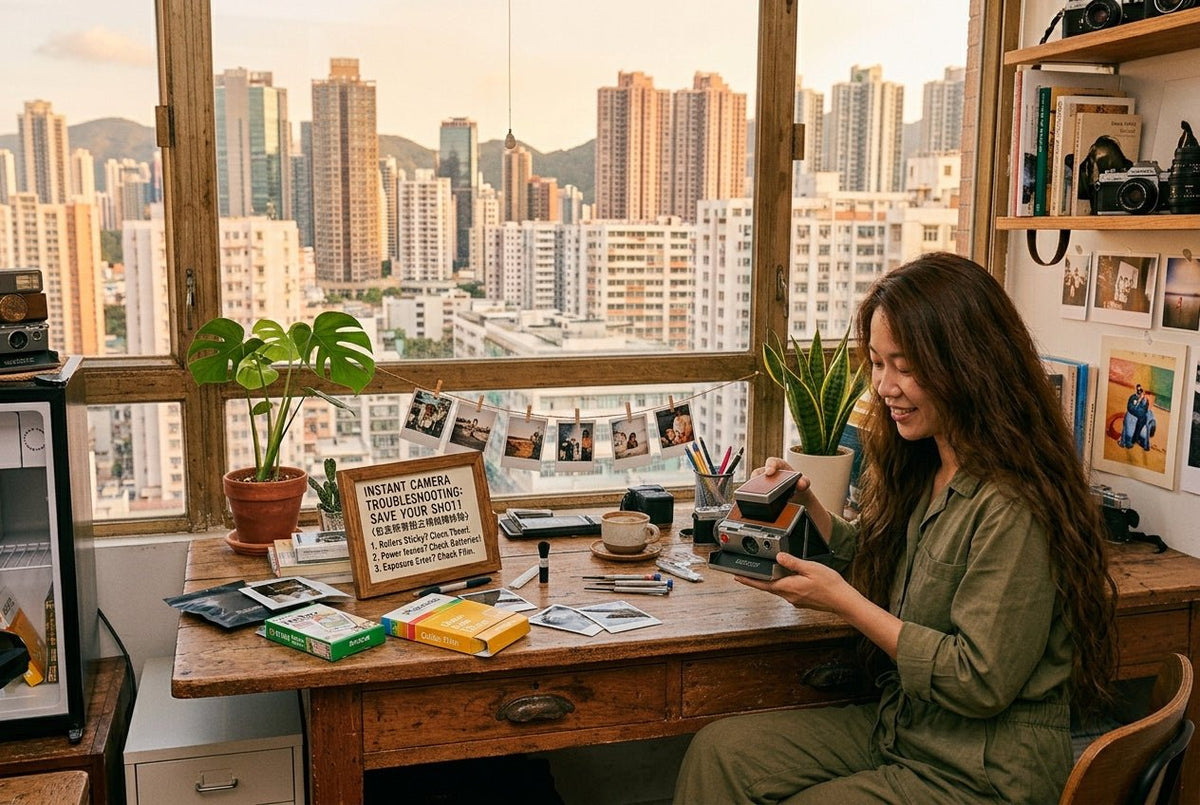
Most damaged film is not the result of one dramatic accident. It is usually a series of casual decisions: a pack forgotten in the car, a camera left beside a radiator, a refrigerator pack loaded while still cold. The good news is that prevention is straightforward.
Avoid these four habits:
-
Storing film in a freezer, where chemical pods can be damaged.
-
Leaving packs or loaded cameras in direct sun, hot cars, or near heat sources.
-
Opening a loaded camera before all frames are used.
-
Loading film directly from the refrigerator without letting it reach room temperature.
Also pay attention to the age of film when buying ahead for a wedding, vacation, or gift. Fresh film offers the most dependable performance. Buying from an authorized retailer matters because you are more likely to receive correctly handled, genuine stock rather than film with an unknown storage history.
A Better Home for Your Polaroid Film
The ideal setup is simple: unopened Polaroid film in its sealed wrapper, organized by date, stored upright in the refrigerator, then warmed to room temperature before loading. Once it is in the camera, keep it shaded and use the pack before it has a chance to live through a heat wave in your bag.
That is not overprotective. It is how you preserve the color, texture, and happy unpredictability that make an instant print worth keeping. Treat each pack like a future memory with a limited number of chances to get it right, then take the camera out and give those frames a life beyond the fridge.
Share
Analog photography trends are shaping a more tactile, personal camera culture. See why instant film, compact cameras, and imperfect prints matter today.