
How to Pick Everyday Carry That Feels Like You
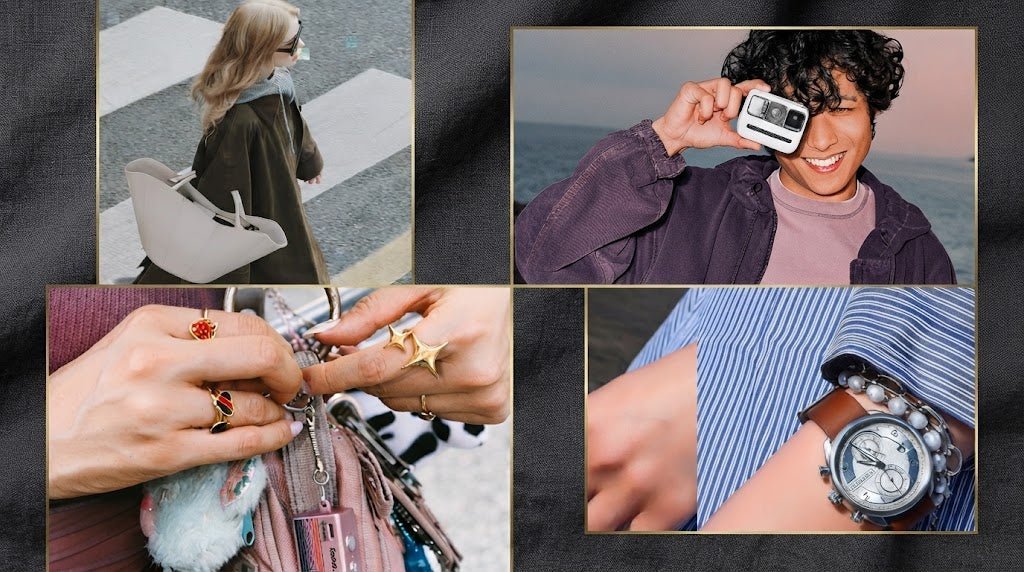
Your everyday carry is part of the broader Everyday Carry (EDC) idea, but it is not a survival kit, a flex, or a pile of accessories bought because someone online called them essential. It is the small group of objects that moves through your everyday life and real life: the bag you grab before the train, the watch you check between meetings, the camera that makes you notice a moment worth keeping. If you want to know how to pick everyday carry that feels like you, start with your actual routine and the kind of day you want to build, then choose pieces that solve recurring needs, look right to you, and make daily use feel good.
For urban creatives and design-minded people who want style without clutter or trend overload, the best setup is rarely the biggest or most technical. It is considered. Each piece of everyday carry gear earns its place through a balance of function, visual character, and the quiet confidence of being used often. This guide shows how to build that setup by reading your routine, mixing essentials with more expressive items, choosing an anchor piece like a bag, watch, or camera, thinking about materials, capacity, and color, buying authentic products with confidence, and editing your carry over time so it still fits your life.
How to Pick Everyday Carry for Your Real Routine
Start with the routine, not the product category—the central idea is to begin with how your days actually unfold. A freelance designer moving between a studio, coffee shop, and gallery opening needs something different from a commuter who carries a laptop five days a week. A weekend walker who shoots instant film has different priorities than someone who wants their pockets as empty as possible.
Think through a typical weekday in detail. How far do you walk? Are you carrying a laptop, a notebook, headphones, or a water bottle? Do you need to keep valuables secure in crowded places? Will your gear sit under an airplane seat, on a restaurant chair, or in the overhead bin, or follow you through most places you go in a normal week? These unglamorous details determine whether a great-looking item becomes part of your rhythm or stays on a shelf.
The point is not to optimize every possible scenario. What really matter here are the items you use often, because carrying for every contingency no longer makes sense and only creates bulk, friction, and visual noise. Choose for the 80 percent of days you actually live, then make room for occasional additions when a trip, shoot, or project calls for them.
Separate essentials like a compact flashlight from nice-to-haves
Most everyday carry starts with three layers. First are the non-negotiables: phone, keys, wallet or cardholder, some cash as a backup, and anything required for work or transit. Second are the tools that remove friction, such as a compact charger or keychain power bank for charging devices on the go, a key organizer or key ring that reduces noise and bulk in pockets, sunglasses, or a bag that keeps your day organized. A compact first aid kit is a practical essential in many everyday carry setups. Third are the expressive pieces: a distinctive watch, a camera, a notebook with a satisfying cover.
The layers overlap, and that is where good design gets interesting. A waterproof backpack with a sleek silhouette can protect a laptop and sharpen an outfit. A watch can make time easier to read while giving a plain sleeve a focal point. An instant camera can be playful, but it can also change how you participate in a party, trip, or family gathering.
If an item does not solve a recurring problem or add real pleasure to your routine, leave it out. A handy notebook and a durable pen can help you keep to do lists without turning your pocket into clutter, and a pencil that writes upside down can still earn a place if that kind of reliability matters to you. A small folding knife can be practical for everyday tasks, where legal and appropriate. Minimalism is not the objective. Intentionality is. Some people also include personal protection and first-aid tools in their EDC based on their environment and comfort level.
Choose One Anchor Piece of EDC Gear First
A coherent EDC setup does not require everything to match. In fact, a perfect match can feel overly styled. It helps, however, to choose one anchor piece that sets the direction. Usually, that is a bag, watch, or camera.
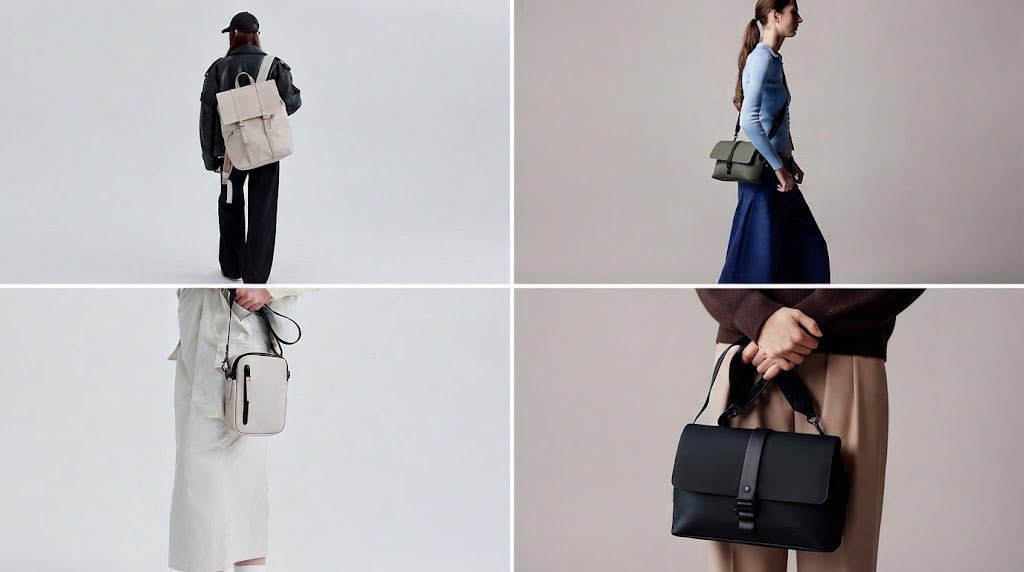
A bag is the practical anchor because it defines capacity, weather protection, and how much you can comfortably carry. For lighter daily carry, a small sling bag can also improve organization without adding bulk. For city use, look beyond the exterior. Consider the opening, the placement of pockets, the ease of reaching your phone or transit card, whether a phone case affects access or stores a card, and whether the straps feel right after a full day. A clean silhouette matters, but so does the ability to find what you need without unloading the entire bag on a sidewalk. A keychain tool or light on a key ring can make that quick access even easier.
A watch is the personal anchor. It is more visible than almost any other daily object and can shift the mood of an outfit in seconds. A slim, restrained dial works naturally with tailoring and quiet basics. A colorful or unconventional case brings energy to simple clothing and can pair well with what you wear. Neither approach is more correct. The right choice is the one you will want to wear on an ordinary Tuesday, not only on an occasion. A pen still earns a place in many setups when you need to sign, sketch, or capture ideas away from your phone. A compact model with a short length keeps it easy to carry. Some analog users also prefer a writing tool that writes upside down for more flexibility in real conditions.
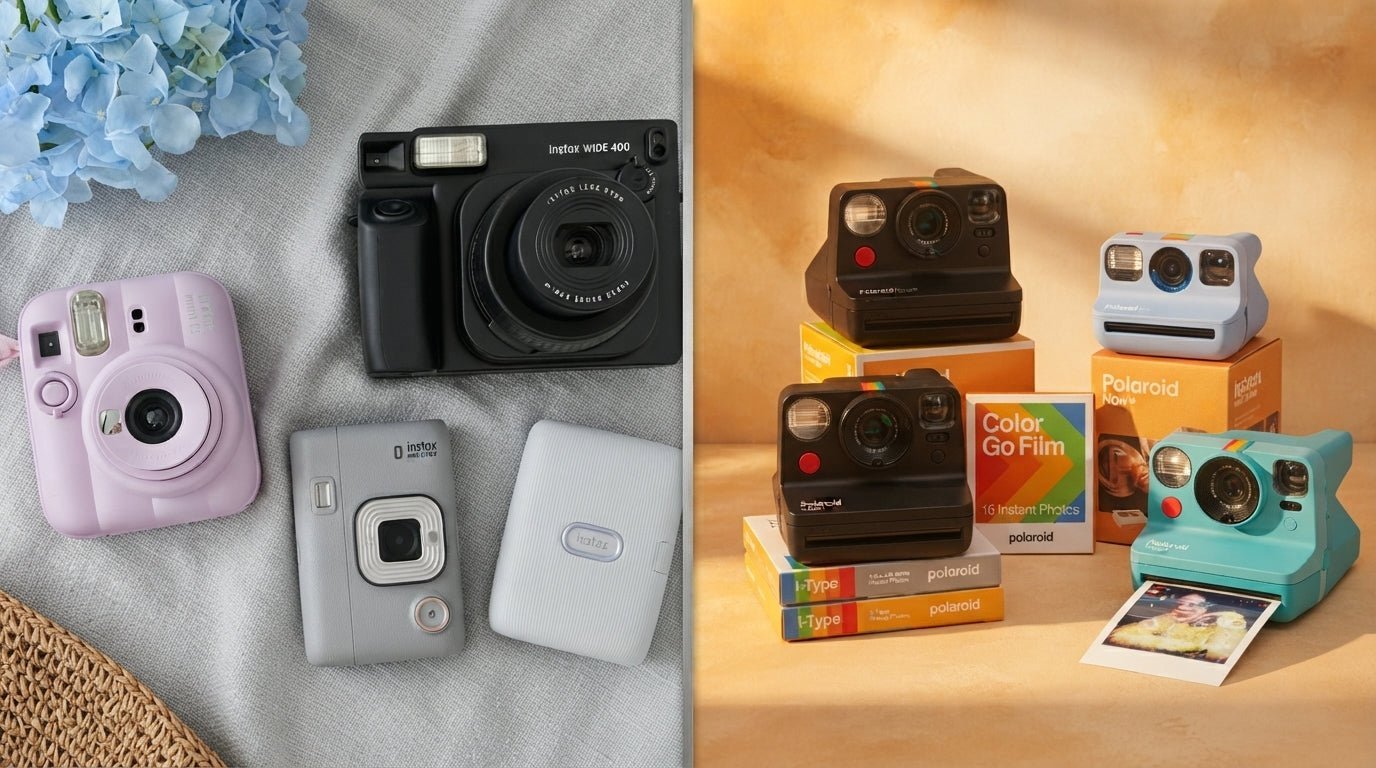
A camera can be the anchor for one person who builds their days around noticing, while someone else may prefer more minimal everyday carry items. Instant cameras bring a tactile, social quality that phone photography does not replace. Compact digital and mini cameras can add a looser, more spontaneous visual language. The trade-off is obvious: cameras require space, charging or film, and some willingness to carry an extra object. If that extra object makes you create more, it is doing its job.
Let Materials Do Some of the Work
Materials influence how a carry looks, ages, and how functional it feels in daily use. Nylon and technical fabrics tend to be light, durable, and suited to unpredictable weather. Leather often gains character with wear but asks for more care. Metal watches can feel substantial and polished, while resin or silicone options are lighter and more casual. A camera with a tactile finish may be more likely to leave the drawer because it feels inviting in your hand.
There is no universal premium material. The better question is whether it fits your conditions and the world you actually move through. A beautiful leather bag may be perfect for office-heavy weeks and less ideal for a bike commute through regular rain. If you are an outdoor enthusiast, you may also want more weather resistance and durability from the start. A waterproof bag may be the smarter choice for that commute, even if you prefer a softer, more traditional look.
Pay attention to hardware, zippers, closures, and touchpoints. These are the details you interact with daily. Great design is not only what photographs well. It is the zipper that does not catch, the strap with a secure lock point that does not slip, the camera button that feels instinctive, and the watch crown that is easy to use. The same goes for a compact flashlight, which feels more trustworthy in a dark parking lot when the materials and controls are solid.
Build Around Capacity, Not Anxiety: Consider a Power Bank
Overpacking usually begins with a bag that is too large. Empty space invites backup items, duplicate tools, and bulky extras you might use someday. Choose the smallest capacity that comfortably handles your regular load and overall edc loadout, with a little flexibility for a jacket, book, or small purchase.
For a lightweight daily setup, a crossbody or compact backpack can keep the essentials close without dominating your look. A small sling bag can be useful when you want more organization than pockets allow without moving to a full backpack. For laptop-heavy days, a structured backpack with protective storage is more realistic, and a small EDC kit only makes sense if it fits without crowding what you actually carry. The goal is not to force a smaller bag into a larger workload. It is to make the capacity honest.
Weight deserves the same attention. The wrong extra item often becomes obvious at the worst possible moment, when weight and access start working against you. An object can be technically compact and still make a carry unpleasant if it is dense or poorly distributed. Test the full setup when possible: bag loaded, outerwear on, camera included, and still easy to move with so you stay prepared without overloading it. What feels fine for ten minutes may feel entirely different after a long commute.
Use Color and Contrast With Restraint
Everyday carry is a chance to show taste through your EDC items, but it should not compete with you. A simple approach is to keep most pieces in a grounded palette - black, charcoal, navy, olive, warm brown, or muted gray - then introduce one item with a stronger visual point of view.
That could be a statement watch with an unexpected dial, a bright instant camera, or a bag in a distinctive but wearable tone as part of a broader collection. The contrast gives the setup personality without turning every object into an announcement.
Consider how finishes interact, too. Matte technical fabric beside brushed steel feels modern and practical. A polished watch paired with textured leather leans more classic. Some readers may be big fans of mixing finishes, but the key is a shared mood, whether that mood is minimal, playful, analog, or architectural.
Buy for Use, Then Buy With Confidence
Everyday Carry (EDC) gear is handled constantly, so authenticity and warranty support are part of the value, not an afterthought; in recent years, more people have treated this category as design-conscious gear, not just utility. A watch, camera, or bag should arrive as the designer intended and come with the assurance that its materials, components, and support are legitimate. That matters especially for recognizable brands, where gray-market pricing can hide compromises in provenance or coverage.
A curated retailer such as Bang On makes this choice easier by narrowing the field to a more complete selection of design-led pieces with a clear point of view. Curation is useful when it saves you from comparing hundreds of nearly identical options and lets you focus on the few that fit your life.
Before buying, give yourself a simple test. Practical EDC gear can also make a thoughtful gift when you already understand the recipient’s routine and taste, and for compact tech, features like good sound quality matter when deciding if a device is worth buying or giving. Can you picture using this item three times in the next week? Do you know where it will live when you are not using it? Does it work with your current EDC setup? If the answer is vague, the attraction may be real, but the fit is not there yet.
Edit Your Carry Every Few Months
Many EDC setups improve through periodic editing. Work changes, seasons shift, hobbies become more serious, and a once-essential item can slowly become dead weight. A quick edit every few months keeps the system useful.
Remove what you no longer reach for. Notice what is wearing well and what creates friction, so you can respond effectively to changes in work, season, or routine. Some people also reassess whether personal defense tools still make sense for their routine, local laws, and comfort, since they can support preparedness and self-reliance. In some contexts, a fixed blade knife may be considered, though it is rarely appropriate for most urban everyday carry compared with simpler tools. Maybe your crossbody is perfect for weekends, but you now need a backpack for a new laptop. Maybe the camera you thought was occasional has become the object you bring everywhere. These are good discoveries, not failures of the original setup.
The strongest carry is not built all at once. It develops through use, a little restraint, and the pleasure of choosing objects that make ordinary movement through the city feel more like your own, leaving you with a more complete set of everyday carry gear.
Choosing an instant camera versus photo printer? Compare print quality, spontaneity, cost, and style to find the format that suits your creative life best.
%20idea,%20but%20it%20is%20not%20a%20survival%20kit,%20a%20flex,%20or%20a%20pile%20of%20accessories%20bought%20because%20someone%20online%20called%20them%20essential.%20It%20is%20the%20s...)