
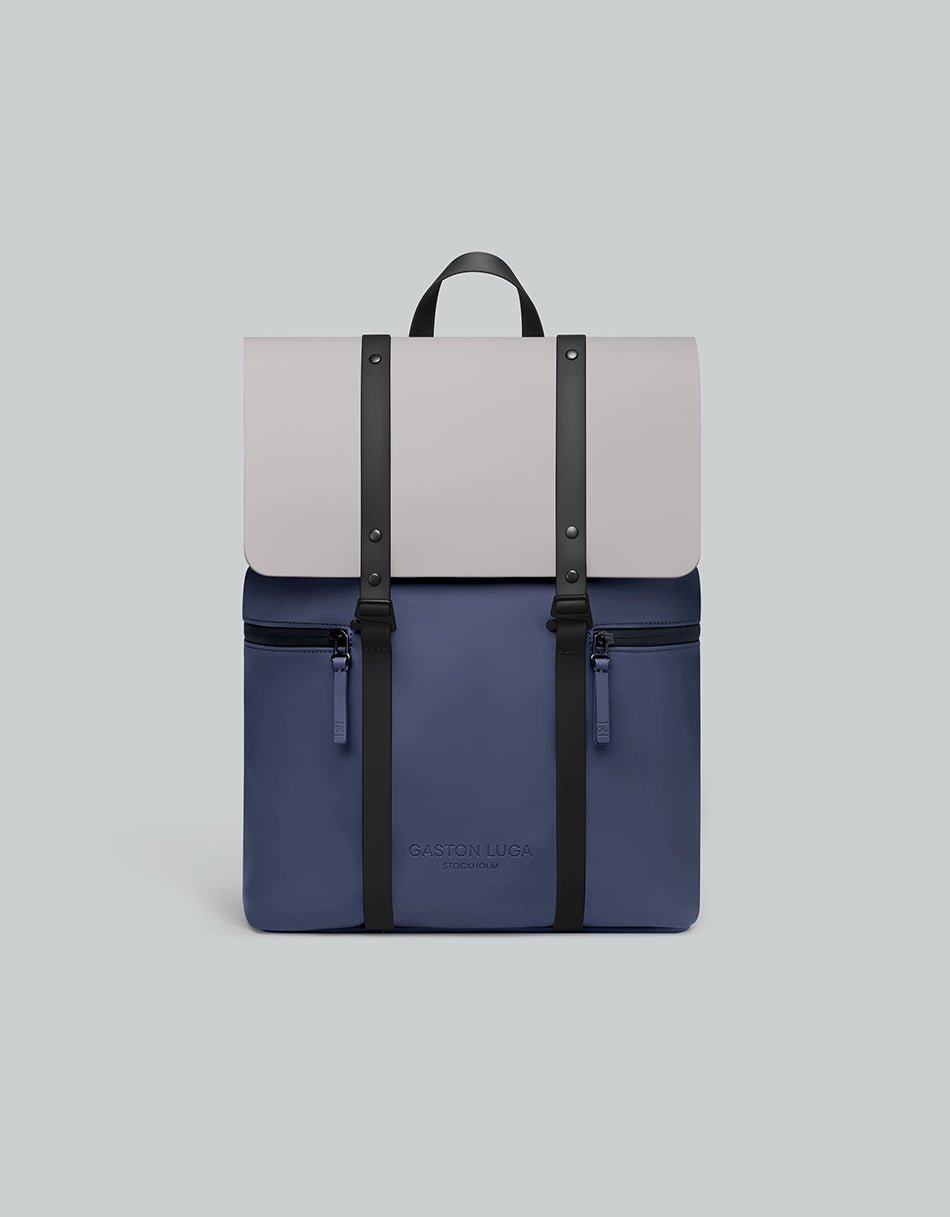

How to Care for Nylon Backpacks Without Losing Shape
A nylon backpack keeps its shape best when you clean it gently: spot clean with lukewarm water and mild soap, skip the washing machine, avoid high heat, and air dry it after reshaping the bag with light stuffing to support its silhouette. For urban creative professionals and design-conscious daily carriers, that routine protects the crisp shape, rich color, and functional details that make a well-designed backpack feel intentional long after the first season.
Nylon is resilient, lightweight, and well suited to urban movement, but it is not indestructible. Dirt settles into textured weaves, sunscreen and hand cream can mark handles, and aggressive washing can damage foam panels, water-resistant coatings, hardware, or leather trim. Below, you will find the essentials that actually preserve a nylon bag over time: how to check care labels, when to spot clean or hand wash, how to dry without warping the structure, how to maintain zippers and other hardware, when to restore water resistance, and how to store the backpack so it holds its form between uses.
Care for Nylon Backpacks Starts With the Label
Before reaching for soap, check the care label and the product details provided by the brand. “Nylon” can describe several constructions, from lightweight ripstop to dense ballistic nylon, often paired with recycled polyester linings, coated surfaces, padded backing, metal hardware, or vegan and genuine leather accents. Each material changes the right approach.
A water-repellent backpack is not necessarily washable in the same way as an uncoated nylon tote. Many modern city bags use a protective finish that sheds light rain. Hot water, harsh detergent, and prolonged soaking can weaken that finish. If the manufacturer specifies spot cleaning only, take that instruction seriously. It is the smarter trade-off than chasing a perfectly uniform clean and shortening the life of the bag.
Start by emptying the bag and checking all compartments before washing. Check the laptop sleeve, interior zip pockets, and the narrow corners where receipts, pen caps, sand, and snack crumbs tend to collect. Shake the backpack upside down over a bin, then use a soft brush or a vacuum with a brush attachment to lift dry debris from seams and lining.
Clean Marks Early, Not Dramatically
The best cleaning method for nylon is restrained. Most everyday marks respond to lukewarm water, a small amount of mild soap, and gentle cleaning with a soft cloth. Dampen the cloth rather than saturating it, then work on one small area at a time using light circular motions.
For a commuter bag with dust along the base or a fingerprint near the front pocket, this is usually enough. Follow with a second cloth dampened with plain water to remove soap residue. Then pat the area dry with a towel. Residue can leave a dull patch or attract dirt, especially on matte black and darker shades.
Stubborn marks need patience, not stronger chemicals. A soft-bristle toothbrush can help clean textured nylon, webbing, zipper tape, and stitching, with extra attention on problem spots but not harsher scrubbing. Use almost no pressure. Scrubbing hard may fuzz the fibers, create a visibly lighter spot, or make a polished fabric look prematurely worn.
Avoid bleach, acetone, alcohol-heavy cleaners, stain removers, and other harsh chemicals unless the backpack maker explicitly approves them. They can alter color, degrade coatings, and dry out trim. Even a cleaner marketed as gentle can leave a mark on a saturated or tightly woven fabric, so test it first in an inconspicuous area.
When Spot Cleaning Is Not Enough: Consider Machine Washing
After a spill, a beach weekend, or a season of daily use, the whole backpack may need a more complete refresh. Hand washing is the safest way for most nylon and travel backpacks. Fill a basin with cool to lukewarm water and add a very small amount of mild soap. Submerge only if the label permits it, and do not leave the bag to soak.
Gently move the bag through the water, paying attention to the lining and lower panels. Use a sponge or cloth for isolated areas. Rinse nylon backpacks thoroughly with clean water so no soap residue is left behind. Support the backpack from underneath while lifting it out. Wet bags are heavier, and pulling them up by one shoulder strap can strain the stitching.
Machine washing is tempting because it is fast. For structured nylon backpacks, it is usually a poor shortcut. Agitation can bend back panels, flatten foam padding, scratch buckles, and stress zipper tracks. Use a washing machine only when the specific bag is labeled machine washable and the care label permits a gentle cycle, ideally cold and inside a protective laundry bag. Never use fabric softener or powder detergent. Never machine wash a bag with leather details, rigid panels, internal frames, or electronics-oriented padding.
Protect the Shape While It Dries
Heat is where many good bags lose their composure. Never put a nylon backpack in a tumble dryer, place it on a radiator, or leave it under intense direct sunlight for hours, as high heat can warp the bag. High heat can warp plastic components, weaken adhesives, and affect water-resistant treatments. Sun can also fade color unevenly, particularly on bright bags and black fabric exposed over time.
After cleaning, air dry the bag with every pocket open and turn it upside down or on its side so water can drain. Gently reshape the body, then loosely fill the main compartment with a clean towel or unprinted paper to help it maintain shape while drying and support its silhouette. Replace the towel if it becomes damp. Hang the bag only once most of the moisture is gone, preferably from a wide hanger or by the top handle for a short period.
Air circulation matters more than speed. Dry the backpack indoors in a well ventilated area, away from humidity, since air drying helps protect nylon coatings and fibers. A bag that feels dry on the outside can still hold moisture in padded straps, the laptop compartment, or the base. Give it extra time before storing it or loading it for a trip. That small pause helps prevent mold, mildew, and lingering odor.
Keep Zippers, Straps, and Hardware in Rotation
The fabric gets the attention, but the moving parts determine whether a backpack still feels good to use. Clear grit from zipper teeth with a dry soft brush. If a zipper begins to resist, inspect it before forcing the pull. Often, a loose thread or compacted dirt is the real issue. Forcing it can bend teeth or separate the zipper tape from the bag.
Wipe metal hardware with a soft, dry cloth after exposure to rain or sweat. Do not apply oil, polish, or lubricant to hardware unless recommended by the manufacturer, as oily products can attract dirt. These products can migrate into nylon and leave a dark, permanent-looking halo.
Shoulder straps deserve a regular check, especially if you carry a camera, laptop, or full day of creative gear. Look for fraying at adjustment points, loose stitching around the top handle, and early wear at stress points near buckles and strap anchors. A backpack is designed to carry weight, but every material has a limit. Consistently overpacking it distorts the back panel and puts unnecessary pressure on seams.
If your bag has leather trim, clean the nylon around it carefully and avoid saturating the leather. Treat leather separately with a product suited to that finish. One all-purpose cleaner is rarely the refined answer for a mixed-material bag.
Restore Water Resistance With Care
When rain no longer beads on the exterior and begins to darken the fabric, the water-repellent finish may be wearing down. That does not automatically mean the bag is failing. It may simply be time for waterproofing only when the DWR finish has worn down, provided the manufacturer allows it.
First, clean the backpack and let it dry completely. Applying a waterproofing spray over surface dirt seals the problem in. Choose a treatment compatible with nylon and coatings, spray evenly in a well ventilated area, and give extra attention to seams and high wear areas. Work in light coverage, paying extra attention to the fabric surface without overapplying product. Test the result by spraying water on the fabric and checking for water beading. More product is not better, and the treatment should dry away from direct sunlight. Oversaturation can create an uneven finish and leave the fabric feeling stiff.
There is a useful distinction here: a refreshed water-repellent finish helps rain roll off the exterior, while a truly waterproof backpack depends on its construction, seams, zippers, and closures. Treating a standard nylon bag can improve its weather resistance, but it will not turn it into a dry bag. Pack electronics accordingly.
Store It Like a Designed Object
For daily use, avoid dropping your backpack on damp floors or rough pavement when a hook, chair, or clean surface is available. The base takes the most abuse and often shows it first. Simple daily habits like a quick shakeout or a quick wipe help keep it fresh. At home, empty food, wet gym clothes, and loose pens rather than allowing odors and ink marks to settle in overnight.
For longer storage, clean the bag, dry it fully, and keep it upright in a cool, dry place; avoid damp basements, and make sure it is completely dry first to help prevent mold. Lightly stuff it to retain its form and maintain shape, then place it in a breathable cotton bag or a clean pillowcase. Plastic bins and sealed bags can trap moisture, particularly in humid climates. Keep it away from sunlight and avoid stacking heavy objects on top of it.
A well-chosen nylon backpack should collect evidence of a life in motion, not damage from neglect. Clean it with restraint, dry it with patience, and respect the details that give it structure. The result is a bag that continues to look right beside your camera, watch, and daily essentials - ready for the next good plan.