
What Makes a Curated Lifestyle Shop Better?
Open ten tabs for watches, bags, and instant cameras, and the same thing happens every time - too many options, not enough clarity. A curated lifestyle shop solves that problem by doing the edit first. Instead of asking you to sort through endless inventory, it presents a tighter point of view: fewer products, better reasons to care.
That difference matters more than it sounds. When the products are personal, visible, and used every day, shopping is not just about specs. It is about taste, trust, and whether an item actually fits the way you live. The right shop understands that a waterproof backpack, a statement watch, or an instant camera is part utility and part identity.
Why a curated lifestyle shop feels different
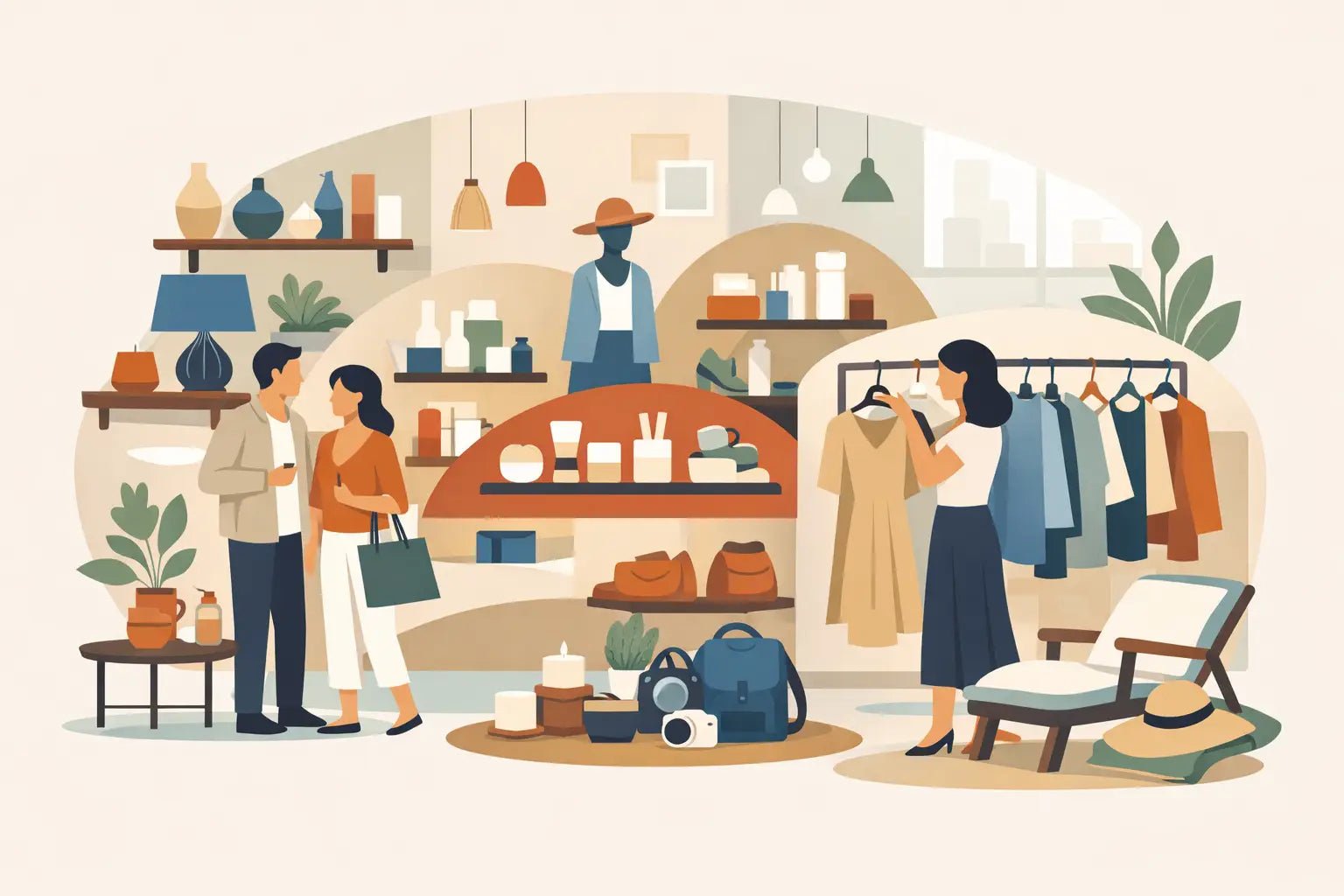
A strong curated lifestyle shop is not built like a warehouse. It is built like an edit. The selection reflects judgment, not volume. That means the store is choosing what deserves attention rather than trying to win by stocking everything.
For customers, that changes the experience immediately. You are not comparing 300 similar items with small variations in price and feature lists. You are choosing from a narrower range where the design language is more intentional and the quality bar is already set. The result is less decision fatigue and more confidence.
There is also a cultural layer to curation. The best shops are not only selling products. They are framing a lifestyle around urban movement, creative routines, everyday carry, and personal expression. A watch is not there because it fills a category gap. It is there because it says something about proportion, finish, heritage, or attitude. A camera earns its place because it offers a specific kind of image-making experience, not because it is one more gadget on a product grid.
The value is in the filter, not just the inventory
Anyone can list products online. The real skill is knowing what to leave out.
That is where curation earns its value. A selective assortment tells you the store has standards. It has likely considered brand reputation, design quality, functionality, longevity, and how each item fits alongside the rest of the collection. That kind of filtering saves time, but it also protects the customer from buying products that look good in isolation and disappoint in daily use.
This is especially relevant in categories where style and performance need to coexist. A beautifully designed bag that lacks weather resistance may work for some buyers and fail for others. A fashion watch with no real build credibility might look right in a product photo but feel wrong after a month of wear. A good curated shop does not pretend every shopper wants the same thing. It simply narrows the field to options that are worth considering in the first place.
That does not mean curation is always minimalist or expensive. It means the choices are intentional. Sometimes that leads to premium pricing. Sometimes it leads to sharper value because the store is avoiding filler and trend-chasing products that age badly.
Design-led shopping works best when trust is clear
Curation without trust is just styling.
For design-conscious shoppers, authenticity matters as much as aesthetics. If you are buying a recognized watch brand, a camera with a loyal following, or accessories from established international labels, you want confidence that the product is genuine and supported. Official warranty coverage, authorized retail status, and direct brand sourcing are not background details. They are part of the product value.
This is one of the clearest reasons a curated shop can outperform a marketplace model. Large marketplaces may offer endless options and aggressive pricing, but they often ask the customer to absorb more risk. Is the seller authorized? Is the item from current distribution? Will warranty service be honored? Those questions turn a supposedly easy purchase into a research project.
A tighter retail edit can remove that friction. When a store is selective about brands and transparent about sourcing, the shopping experience becomes cleaner. You are not forced to trade taste for peace of mind.
Curated does not mean one-size-fits-all
There is a trade-off here. A curated lifestyle shop will never satisfy someone who wants maximum breadth above all else. If your goal is to compare every possible option across every price tier, a giant marketplace may still feel more useful.
But that is not usually how style-driven shopping works. Most people are not looking for infinite choice. They are looking for the right choice within a world they already relate to.
That is why the best curated stores make their perspective visible. They understand their audience - urban professionals, creatives, photography lovers, gift buyers, people who want everyday accessories with character. They choose products that fit that audience’s habits and expectations. A compact instant camera makes sense in a life that values spontaneity and social memory. A waterproof backpack makes sense when commuting, travel, and design all matter. A distinctive watch works when self-expression is part of how someone gets dressed.
The point is not to appeal to everyone. The point is to be useful to the right customer.
How a curated lifestyle shop guides better buying decisions
Good curation does more than narrow options. It creates context.
That context might come through product descriptions that explain why an item stands out, editorial content that connects products to real habits, or assortment choices that help customers understand what belongs together. The shopping journey feels guided rather than crowded.
This is where editorial commerce has a real advantage. Instead of treating products like isolated transactions, it shows how they fit into a broader lifestyle. A watch can be framed through craftsmanship and everyday wearability. A camera can be positioned around analog fun in a digital-heavy routine. A bag can be sold not only on capacity, but on how it moves through work, travel, and weekend use.
When done well, that kind of guidance is not pushy. It is clarifying. It helps customers see themselves in the product before they buy it.
For a brand like Bang On, that approach makes sense because the categories naturally overlap. A customer interested in a design-led watch may also care about bags, creative tools, and accessories that share the same visual discipline. The store becomes less of a catalog and more of an ecosystem of considered choices.
What to look for in a truly curated shop
Not every store that uses the word curated has earned it. Sometimes it is just branding language attached to ordinary merchandising.
A truly curated shop tends to show a few clear signals. The assortment is selective and coherent. The brands have a reason to be there. The product mix feels aligned rather than random. The storytelling is concise but informed. And the trust signals - authenticity, sourcing, warranty, retailer status - are easy to find.
It should also feel consistent. If the watches suggest one taste level but the bags feel generic, the curation breaks. If the visual language is refined but the product standards are unclear, the experience starts to feel performative. Real curation is part aesthetic judgment, part commercial discipline.
Price is worth mentioning too. A curated store is not automatically the cheapest place to buy. In some cases, that is the cost of buying from authorized channels and choosing better-made products. For many shoppers, that trade-off is acceptable because the purchase carries less risk and more staying power. Paying slightly more for something authentic, well-designed, and easy to stand behind is often smarter than chasing a lower price on a questionable listing.
Why this model keeps gaining relevance
Modern shoppers are overloaded, but they are not passive. They still want to choose. They just do not want to perform hours of unpaid filtering every time they need a new bag, watch, or camera.
That is why the curated retail model keeps getting stronger, especially in lifestyle categories. It respects the customer’s time while still giving them room for personal taste. It replaces noise with point of view. It turns shopping into selection, not survival.
For people who care about design, authenticity, and products that say something without trying too hard, that matters. The best purchases are rarely the ones that shout the loudest. They are the ones that fit into your daily life so naturally that they start to feel like part of your rhythm.
A good curated lifestyle shop understands that buying well is not about owning more. It is about choosing pieces with enough substance, style, and trust behind them that you will still be glad you picked them long after the tab is closed.