Polaroid Instant Film Guide for Better Shots
A photo can look perfect in your hand and still fail on instant film. Highlights blow out. Skin tones shift warm. Shadows turn into one dark block. That is exactly why a solid polaroid instant film guide matters - not just for beginners, but for anyone who wants better results without wasting frames.
Polaroid film has a personality. That is part of the appeal. It is tactile, imperfect, and more sensitive to light and temperature than many people expect. If you treat it like phone photography, it will punish you. If you understand what each film type does well, and what conditions it likes, it starts to feel less random and much more intentional.
A Polaroid instant film guide starts with format
Before color, mood, or technique, there is format. Polaroid film is not one-size-fits-all. The camera you use determines the film you need, and that affects both the look of the image and the way you shoot.
i-Type film is designed for newer Polaroid cameras. It does not include a battery in the film pack, which makes it a little more streamlined for current models. If you shoot with a recent Polaroid camera, this is usually the cleanest choice.
600 film is made for vintage 600 cameras and a few compatible models. Each pack includes a battery, because those older cameras rely on the pack to power the system. If you love thrifted gear and classic Polaroid styling, 600 film is likely your lane.
SX-70 film is for SX-70 cameras and has a lower ISO than 600 film. That means it behaves differently in light and often rewards a more controlled approach. The look can be beautiful, but it is less forgiving if you are casual about exposure.
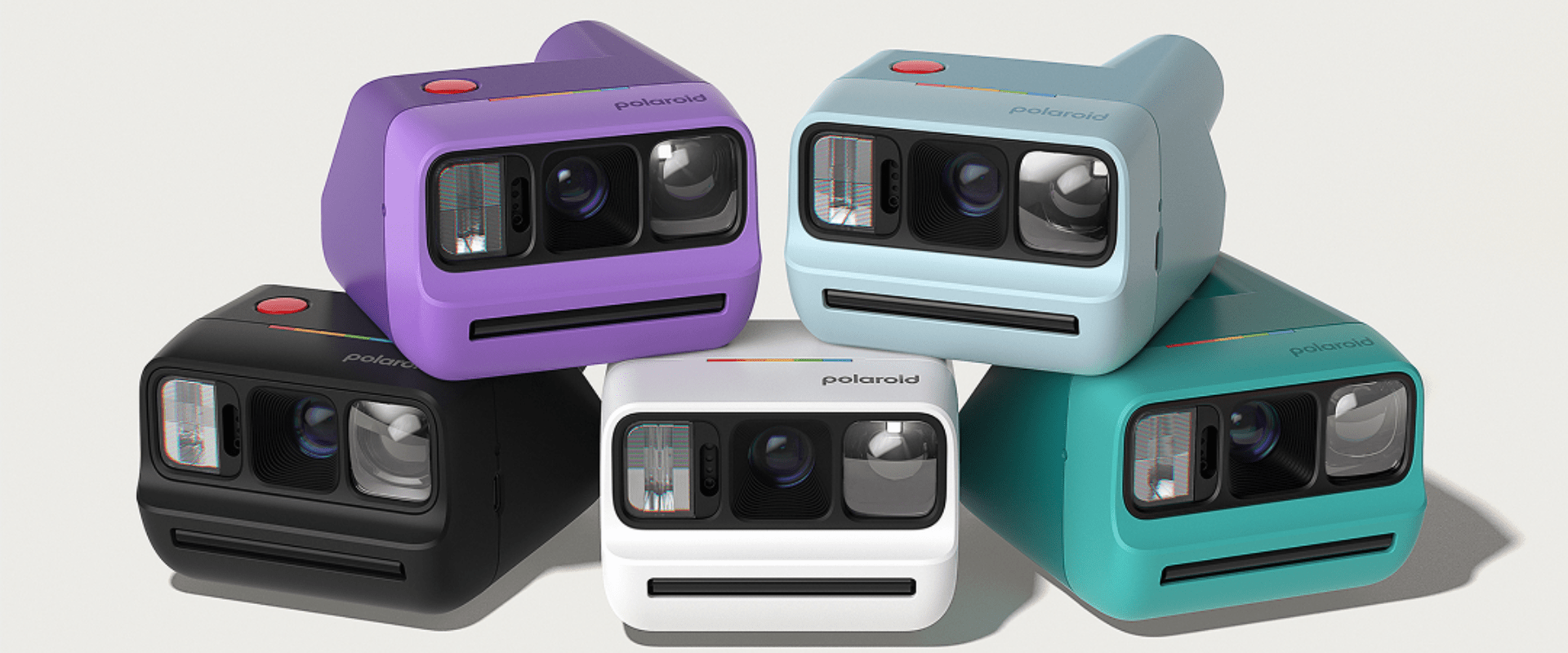
Go film is built for the compact Polaroid Go camera. It keeps the Polaroid feel in a smaller frame, which can be great for travel, quick portraits, and carrying a camera daily without building your whole outfit around it.
The first rule is simple: buy for your camera, not just for the frame style you like. The wrong pack is not a creative choice. It is just the wrong pack.
Color or black and white depends on the scene
Most people start with color film, and that makes sense. It is the iconic Polaroid look - creamy highlights, soft contrast, and that unmistakable analog warmth. Color film suits casual portraits, weekends out, interiors with character, and scenes where the atmosphere matters as much as technical accuracy.
Black and white film is often the smarter pick when the light is complicated. It can handle contrast in a way that feels more graphic and deliberate. Architecture, street scenes, and moody portraits often look stronger in monochrome because the frame stops competing with color casts and starts emphasizing shape, texture, and shadow.
Neither is better. It depends on what you want the final image to do. Color feels social and immediate. Black and white feels edited, quieter, and a little more design-forward.
If you are shooting an event or a giftable moment, color usually wins. If you are shooting for mood, composition, or a more stylized result, black and white can be the more confident choice.
The real challenge is exposure
Instant film rewards good light, but not all good light is equal. Bright, indirect daylight is usually the sweet spot. Think window light, open shade, or a sunny day where your subject is not standing in harsh overhead sun. In those conditions, Polaroid film tends to render skin and detail more gracefully.
Low light is where many shots fall apart. People assume the flash will solve everything, but the flash on an instant camera has limits. It helps with nearby subjects, not an entire dim room. If your subject is too far away, the frame may still end up muddy, with a bright face floating in darkness.
Harsh direct sun creates a different problem. The film can blow highlights and flatten detail fast, especially on pale surfaces or reflective backgrounds. If you are outside at noon, slight repositioning matters. Step into open shade, turn the subject away from direct glare, or use the lighten-darken control if your camera has one.
That small exposure adjustment slider is worth using. If the scene is mostly white, bright, or backlit, nudging toward darken can save detail. If the subject is in shadow or wearing dark clothing, a move toward lighten can help. It is not a precision instrument, but it is far better than pretending every scene should be treated the same way.
Temperature affects your film more than you think
This is the part many people learn after a ruined pack. Polaroid film is temperature-sensitive. Too cold, and colors can shift, development slows down, and the image may look weak or slightly washed. Too hot, and the tones can skew, contrast can get strange, and the chemistry becomes less predictable.
Store film chilled before use, but do not freeze it. Once you are ready to shoot, let it come closer to room temperature. After you take the shot, protect the photo while it develops. Keep it out of direct sun and avoid leaving it on a hot table, car seat, or freezing sidewalk.
If you are traveling, this matters even more. Summer street shooting and winter city walks are both great for instant photography, but they ask for a little discipline. Film likes stability. The more consistent the environment, the more reliable the result.
Why some shots look great and others look random
The answer is usually distance, contrast, and expectation.
Polaroid cameras are not built to behave like modern mirrorless systems. They have a specific focusing range, a distinct flash behavior, and a look that can feel soft even when everything goes right. That softness is part of the charm. The mistake is asking the medium to be something it is not.
Portraits tend to work best when your subject is within the camera's ideal range and the background is not fighting for attention. Busy scenes, extreme backlighting, and subjects too far from the lens often produce disappointing frames, not because the film failed, but because the setup did.
Instant film also compresses your margin for error. Each frame costs more, and you get no preview. That can feel inconvenient, but it is also why the format remains compelling. It asks for intent. One frame, one decision.
A few habits make a big difference
If you want cleaner results, shoot more slowly. Compose before you lift the camera. Check where the brightest part of the scene is. Move your subject if the background is too chaotic. These are small decisions, but on instant film they matter more than people expect.
Use flash indoors more often than you think, but respect its range. For portraits at parties, dinners, or home gatherings, flash usually gives the film what it needs. For larger rooms or ambient scenes, it may only partially help. In that case, get closer or accept that the frame will lean into mood over detail.
Keep film fresh. Older film can still produce interesting results, but if you want consistency, fresh stock is the better move. Buy from trusted retailers with proper storage habits. Authentic stock and good handling are not glamorous topics, but they affect image quality as much as your camera choice does.
That is part of the reason curated buying matters. A selective retailer like Bang On makes the process easier because you are not sorting through questionable inventory or guessing whether storage conditions were an afterthought.
Polaroid instant film guide for creative use
Once you understand the basics, film choice becomes part of your visual style.
Standard color film is the everyday essential. It suits portraits, social snapshots, and travel moments where emotion matters more than technical perfection. Black and white adds edge and restraint, especially for urban scenes, minimal interiors, and images where form is stronger than color.
Special edition frames and color borders can be fun, but they work best when the frame design supports the mood of the image. If the scene is already busy, a graphic border can push it too far. If the subject is simple and strong, a distinctive frame can elevate the whole print. It depends on whether you want the object to feel playful, collectible, or timeless.
Smaller formats like Go film change the experience too. The prints feel more casual, intimate, and portable. Standard Polaroid formats have more visual presence. If the photo is meant to live on a desk, wall, or fridge, larger frames usually make a stronger impression.
What to expect from the medium
The best Polaroid shooters are not chasing technical perfection in every frame. They are looking for atmosphere, memory, and object quality. A Polaroid is not only an image. It is a physical artifact with texture, scale, and presence.
That does not mean every flaw is charming. Bad exposure is still bad exposure. But some softness, some unpredictability, and some tonal shift are part of the format's appeal. The goal is not to control every variable. It is to control the ones that matter most.
If you approach instant film with patience, decent light, and the right pack for your camera, the hit rate improves fast. More importantly, your photos start to feel less accidental and more like a style choice.
The best frame is usually not the most complicated one. It is the one where the light works, the distance is right, and the moment feels worth holding onto for real.