Why the Y2K Keychain Digicam Is Back
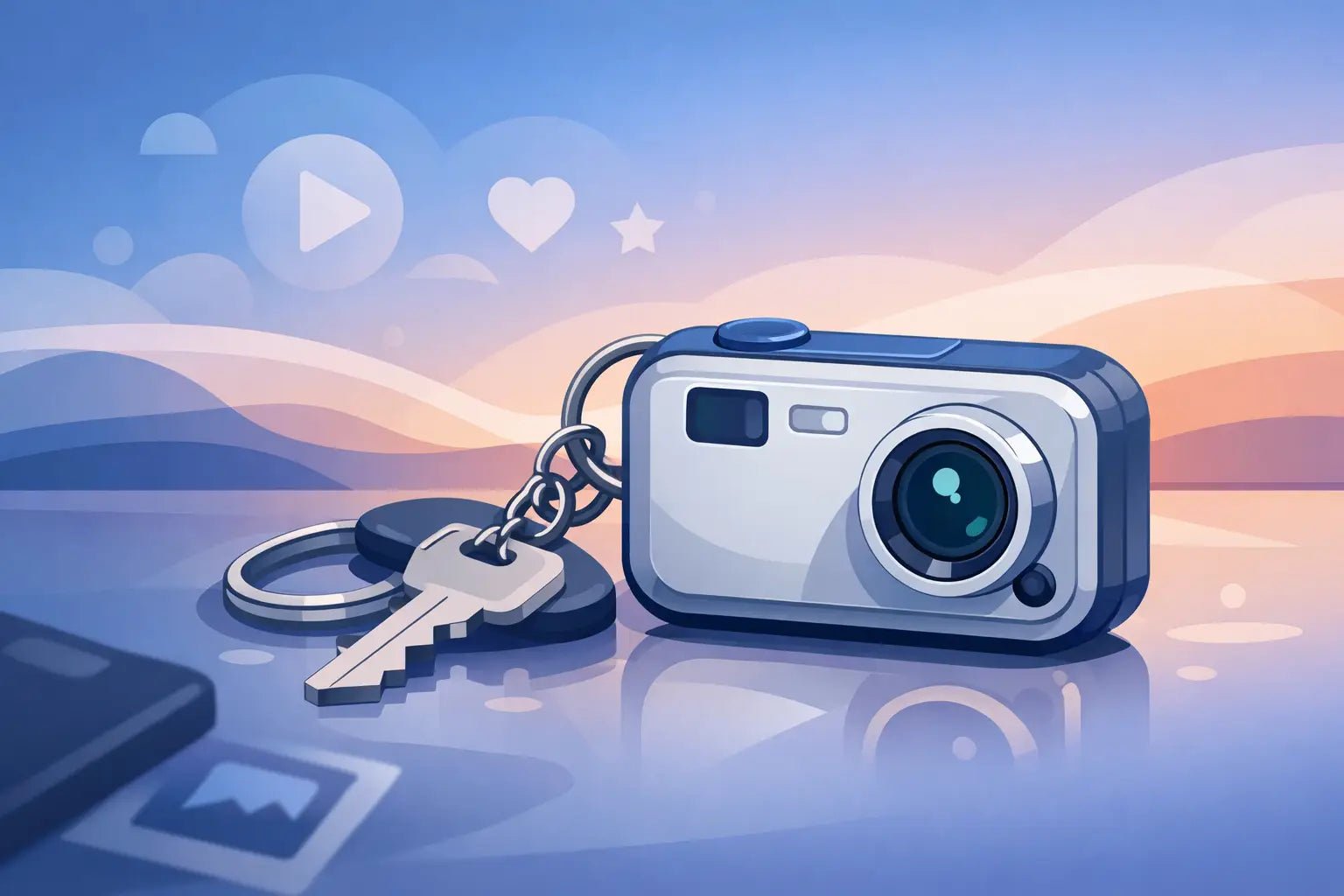
It usually starts with a blurry flash photo, a clipped-on mini camera, and the feeling that your phone is suddenly trying too hard. The y2k keychain digicam has returned because it captures something most devices have edited out - spontaneity. Small enough to live on a bag or keys, it turns everyday moments into low-stakes, high-character images that feel more personal than polished.
This is not nostalgia for nostalgia’s sake. The appeal is sharper than that. A keychain digicam fits the current mood: compact gear, visible personality, and images that look like they belong to a real night out instead of a content calendar. For style-conscious creatives, that combination matters.
What makes a y2k keychain digicam different
A y2k keychain digicam is less about specs and more about behavior. It invites quick shooting, imperfect framing, and a looser relationship with image quality. That sounds like a compromise until you see the results. Soft detail, direct flash, odd color shifts, and tiny-sensor grain create a look that expensive cameras often have to imitate.
The form factor matters just as much as the files. A camera that hangs from a keyring or clips to a bag is always available, but it never feels as intrusive as pulling out a phone. It suggests presence instead of performance. That distinction is part of the charm.
There is also a design story here. Early-2000s gadgets had a kind of optimistic utility - translucent plastics, compact buttons, playful proportions. The best mini cameras still carry that energy. They feel collectible, but not precious. You use them hard. You bring them everywhere.
Why this tiny camera fits right now
The return of small digital cameras is tied to a broader shift in taste. People are tired of frictionless perfection. Phone cameras are excellent, but excellence can flatten everything into the same clean finish. A y2k keychain digicam adds texture back into the process.
It also works as an object. That matters for an audience that cares about everyday carry. A camera this small is part tech, part accessory, part conversation starter. It lives next to your bag, watch, and headphones as a piece of personal styling. Good design has always worked that way.
There is a practical side too. A dedicated mini camera changes how you shoot. You stop opening three apps before taking one photo. You stop reviewing every frame instantly. You take the shot and move on. The experience feels lighter, which often makes the images feel better.
The look people are actually chasing
When people talk about early-digital style, they usually mean a mix of flash-heavy snapshots, compressed detail, and colors that lean a little unpredictable. Not ugly, not refined - just alive. That look lands especially well for parties, travel days, mirror shots, behind-the-scenes moments, and casual street scenes.
It is worth being honest about the trade-off. If you want crisp low-light performance, advanced autofocus, or reliable zoom, a keychain-size camera is not the answer. That is not what it is for. The point is to get images with personality, quickly, from a device that asks almost nothing from you.
This is why the format has crossed over from novelty to real style tool. The files are not competing with a flagship smartphone or a mirrorless camera. They are doing another job entirely. They make memory feel immediate.
How to choose a y2k keychain digicam well
The wrong way to shop this category is by chasing maximum resolution and assuming bigger numbers equal better results. In this space, character and usability matter more. A camera can be tiny, fun, and aesthetically right, but still frustrating if the controls are awkward or the battery life is poor.
Start with size and carry method. If it is meant to clip onto a bag, it should feel secure and light enough to forget about until you need it. If it is pocket-first, button placement and durability become more important. Mini cameras get handled casually, so build quality matters even when the product is playful.
Then think about the image style you want. Some compact digital cameras lean cleaner and more neutral. Others produce stronger flash, harsher contrast, or a more obviously retro file. Neither is better. It depends on whether you want a camera that behaves like a discreet daily notebook or one that leaves a clear visual signature on every frame.
Battery charging and file transfer deserve attention too. This is where some novelty cameras fall apart. The best options make it easy to recharge and move photos without turning the process into a chore. If the workflow is annoying, the camera ends up looking good on a shelf instead of in your life.
Design matters as much as features
For most people buying in this category, aesthetics are not secondary. They are part of the function. A small camera you love carrying will be used more often than a more capable one that stays home. That is especially true for urban creatives who treat accessories as an extension of taste, not just storage for utility.
Color, finish, button layout, and shape all play into that. Some designs lean toy-like in the best way. Others feel more minimal and industrial. The right choice depends on how you want the object to sit alongside the rest of your carry.
This is where curation matters. Too many options in this category are either generic or overhyped. A selective retailer has an advantage because the editing has already happened. You are not sorting through random inventory with uncertain provenance or unclear warranty support. You are choosing from products that have already been judged on design, relevance, and actual appeal.
Who should buy one and who probably should not
If you document nights out, collect small design objects, or want a camera that feels more playful than your phone, this format makes sense. It is also a strong gift category because the learning curve is low and the emotional payoff is immediate. People understand it as soon as they clip it on and start shooting.
If you are detail-obsessed, print large, or expect one camera to do everything, this may not be your main device. A y2k keychain digicam works best as a second camera or style-first camera. Think of it as a visual sketchbook rather than a technical instrument.
That distinction is useful because it keeps expectations aligned with the product. The magic here comes from limits. Small sensor, simple controls, imperfect files - those constraints are not bugs. They are the reason the images feel distinct.
Why the category has staying power
Trends move fast, but not every comeback is empty. The mini digicam has lasted because it solves a modern problem with unusual elegance. It brings back fun without asking you to go fully analog. It offers visual character without demanding technical skill. And it fits naturally into the broader return of compact, expressive everyday gear.
There is also a generational reason. For some people, these cameras recall the first era of casual digital photography. For others, they are completely new - a fresh alternative to the sameness of phone images. Either way, the appeal lands in the same place: the object feels personal, and the photos do too.
That is why the best versions do not read as gimmicks. They work as design pieces, as memory tools, and as small signals of taste. In a crowded accessories market, that combination is rare.
The real value of carrying one
The strongest argument for a tiny camera is not image quality. It is attention. A dedicated mini camera changes what you notice because it gives everyday scenes a reason to be photographed. Coffee cups, subway reflections, friends waiting outside, receipts on a table after dinner - all the fragments that usually disappear start to look worth keeping.
That shift is subtle, but it is the whole point. Good objects do more than perform a function. They shape behavior. A well-chosen y2k keychain digicam makes documentation feel casual again, which is exactly why people keep reaching for one.
For anyone building a more intentional everyday carry, this is one of the easiest additions to justify. It is compact, expressive, and useful in a way that feels refreshingly low-pressure. Sometimes the best camera choice is the one that reminds you to actually take the picture.