Polaroid Film: What to Know Before You Shoot
A great instant photo starts before you press the shutter. With polaroid film, the image is only part of the appeal. The material itself matters - the white frame, the soft chemistry, the slight unpredictability, the way each shot feels more like an object than a file.
That is exactly why people still reach for it. Not because it is the easiest format, and not because every frame comes out perfect, but because the results have presence. Polaroid film turns ordinary moments into physical keepsakes, and for a lot of photographers, travelers, and design-minded collectors, that trade-off is the point.
Why polaroid film still feels different
Instant photography has never been only about speed. If speed were the goal, your phone already won. What polaroid film offers is something more tactile and more intentional. You get a fixed number of exposures, a visible cost per frame, and no endless retakes. That changes how you shoot.
It also changes how you look at the result. A Polaroid print is not trying to be clinically sharp or perfectly neutral. The colors can lean warm, contrast can shift, and light can bloom in a way digital rarely does. For some scenes, that softness is flattering. For others, especially where detail matters, it can feel limiting. That tension is part of the medium's appeal.
There is also a design story here. The frame format is instantly recognizable, and the object itself carries visual weight. Left on a desk, taped to a wall, slipped into a journal, it feels finished in a way a photo on a screen often does not.
How polaroid film works in real use
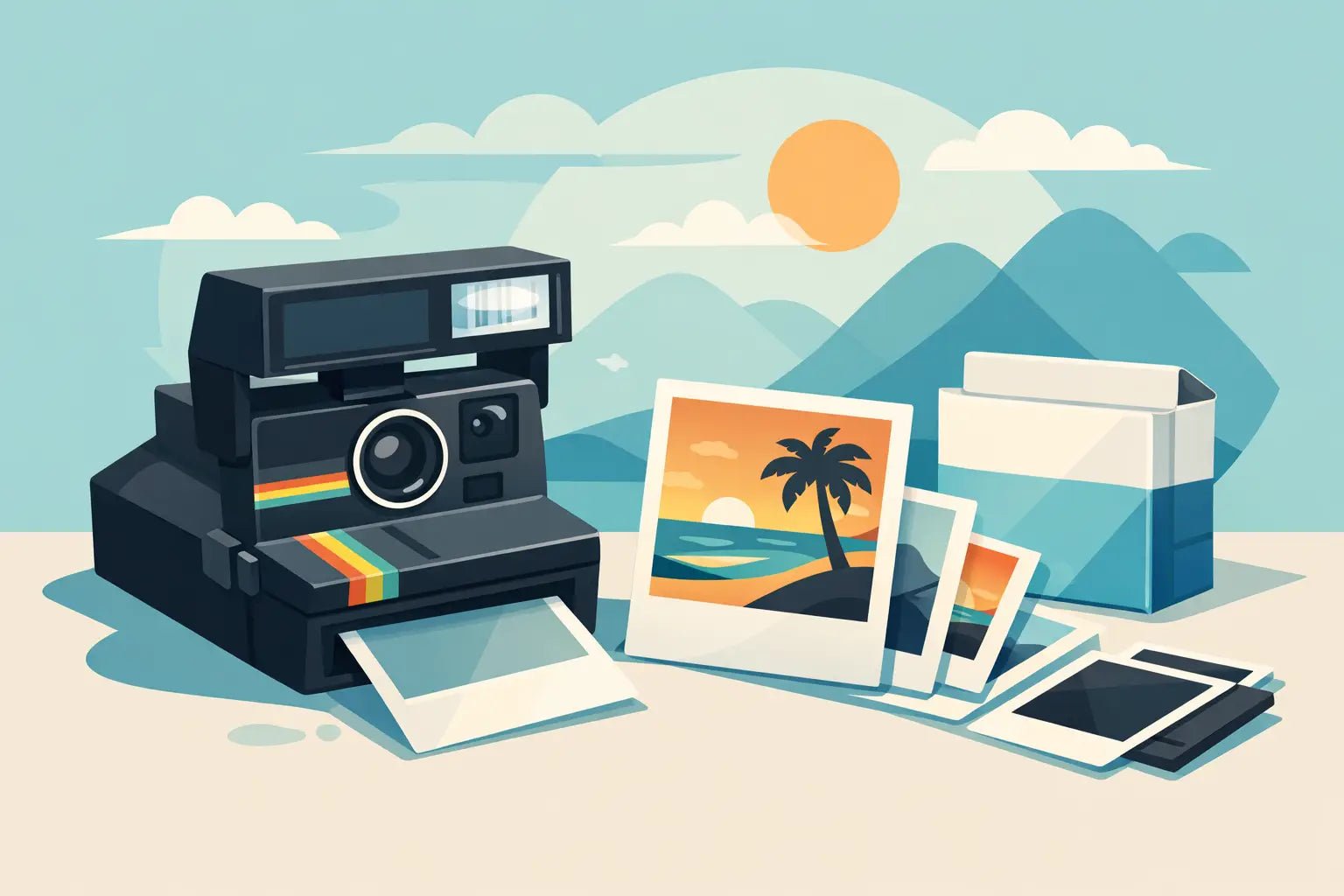
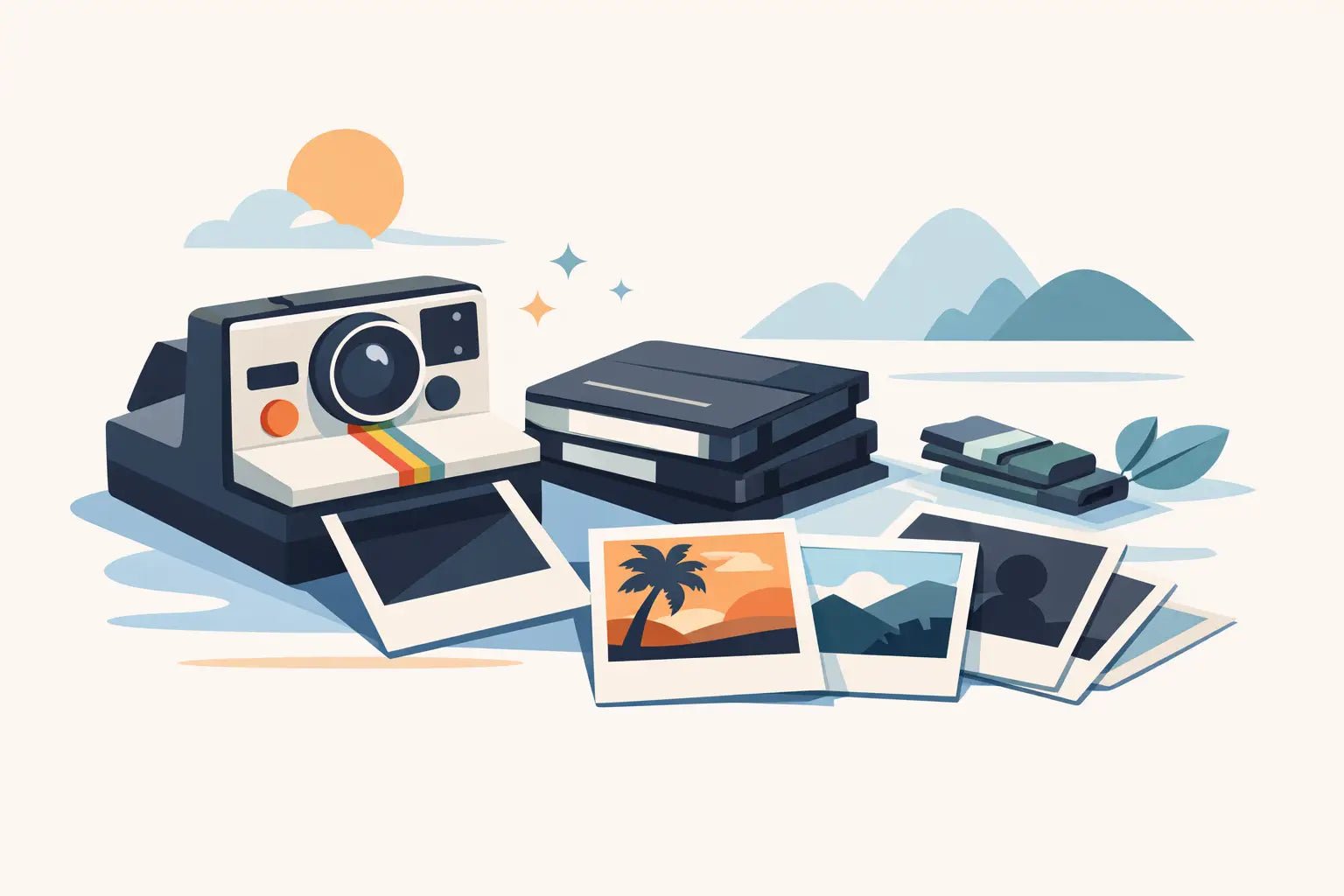
Every pack of film contains more than just exposures. It includes the chemical layers that create the image, a battery in many formats, and the dark slide that protects the first sheet. Once the camera ejects a frame, rollers spread developer across the image area, and the photo begins to form.
That process sounds simple, but the variables are not. Temperature affects development. So does light exposure in the first moments after the photo exits the camera. Storage matters before you ever load the pack. Even the pressure and cleanliness of the rollers can influence consistency.
This is where expectations matter. Polaroid film is capable of beautiful results, but it is not a lab-perfect medium. If you like a little variation from shot to shot, that feels alive. If you expect exact repeatability, it can feel frustrating.
The main polaroid film formats
The most common choice is i-Type film, designed for newer Polaroid cameras. It does not include a battery in the pack, which helps keep it specific to modern models. It is the format many current users will know best.
Then there is 600 film, made for classic 600-series cameras and also compatible with some newer models. Because it includes a battery, it works with vintage cameras that need power from the film pack itself. For anyone buying an older camera for the look and nostalgia, this distinction matters.
SX-70 film is another category, built for the folding SLR cameras that remain icons of industrial design. These cameras can produce striking images, but the film is slower and often a little less forgiving in low light. The reward is aesthetic as much as technical.
There are also smaller-format options for select cameras, but for most buyers, the question is simple: which camera do you own, and which film does it take? Instant photography is fun, but the wrong pack solves nothing.
Storing polaroid film properly
Good film can still perform badly if it has been stored carelessly. Heat is the usual enemy. Polaroid film should be kept cool, ideally refrigerated before use, but not frozen. That helps preserve the chemistry and reduces the chance of muddy development or color shifts.
When you are ready to shoot, let the pack come to room temperature before loading it into the camera. Condensation is not your friend, and rushing this step can create avoidable problems.
This is one reason buying from an authorized, design-conscious retailer matters more than people think. Film is sensitive inventory. You want fresh stock, proper handling, and confidence that what you are buying has not been sitting in poor conditions. With products like this, trust is practical, not just branding.
How to get better results with polaroid film
The easiest mistake is underestimating light. Instant film generally likes more light than people expect, especially indoors. If your camera has flash, use it. If you are outside, clean daylight usually gives the most reliable results.
Composition also matters because every frame costs money. That sounds obvious, but it changes behavior in a useful way. You slow down. You check the background. You decide whether the shot is worth it. Polaroid film tends to reward that kind of restraint.
After the photo ejects, shield it from strong light for the first few moments. Newer Polaroid film is better than older generations in this respect, but it still helps to place the photo face down or tuck it gently under the camera's film shield if your model has one. Then let it develop without bending, shaking, or fussing over it.
Temperature is the other big factor. In cold weather, photos can develop faint or bluish. In high heat, they may shift warmer and develop too quickly. If you are shooting outdoors, keeping film within a moderate range makes a noticeable difference.
When polaroid film looks its best
Portraits are the obvious favorite, and for good reason. The format flatters skin, simplifies detail, and gives faces a softness that feels cinematic rather than overly processed. Flash portraits, especially at parties or dinners, often look more memorable on instant film than they do on a phone.
Travel is another strong fit. Not for documenting everything, but for choosing a few scenes that deserve a physical keepsake. A corner cafe, hotel window light, a friend on a late walk - these moments gain character when they exist as one-off prints.
Objects and interiors can also work beautifully, particularly if you enjoy a design-led aesthetic. A well-styled desk, a watch on a textured surface, a stack of books by window light - polaroid film gives still life scenes an editorial warmth that feels less commercial and more personal.
The weak spots are just as important to know. Low-light landscapes, fast action, and scenes where edge-to-edge detail matters are rarely where this medium shines. It can do them, but not always gracefully.
The cost of shooting instant
There is no way around it: instant film is expensive compared with digital. Each frame has weight, and that cost is part of the discipline. Some people love that because it makes photography feel deliberate again. Others find it restrictive after the novelty wears off.
The smarter way to think about price is not cost per image alone, but value per object. You are not just producing a file. You are making a print, immediately, with a look that is difficult to replicate honestly. If that tactile result matters to you, the math changes.
This is also why instant film works so well as a gift category. It is expressive, social, and easy to understand. A camera plus a few packs of film feels complete in a way many tech products do not.
Choosing polaroid film for your style
Not every photographer wants perfect neutrality. Some want mood, softness, and the occasional happy accident. If that sounds like you, polaroid film makes sense not as a replacement for digital, but as a counterpoint to it.
It suits people who like objects with personality. People who care how tools look on a shelf, in a bag, or on a table. People who want a camera experience that feels slower, more social, and a little less optimized. That is a specific kind of value, and it is exactly why curated retailers like Bang On keep instant photography in the mix.
The best results come when you stop treating film like a flawless capture system and start treating it like a creative material. Learn its rhythm, respect its limits, and give it decent light. The frame in your hand will usually give back more character than convenience ever could.