Everyday Carry Style Trends That Feel Personal
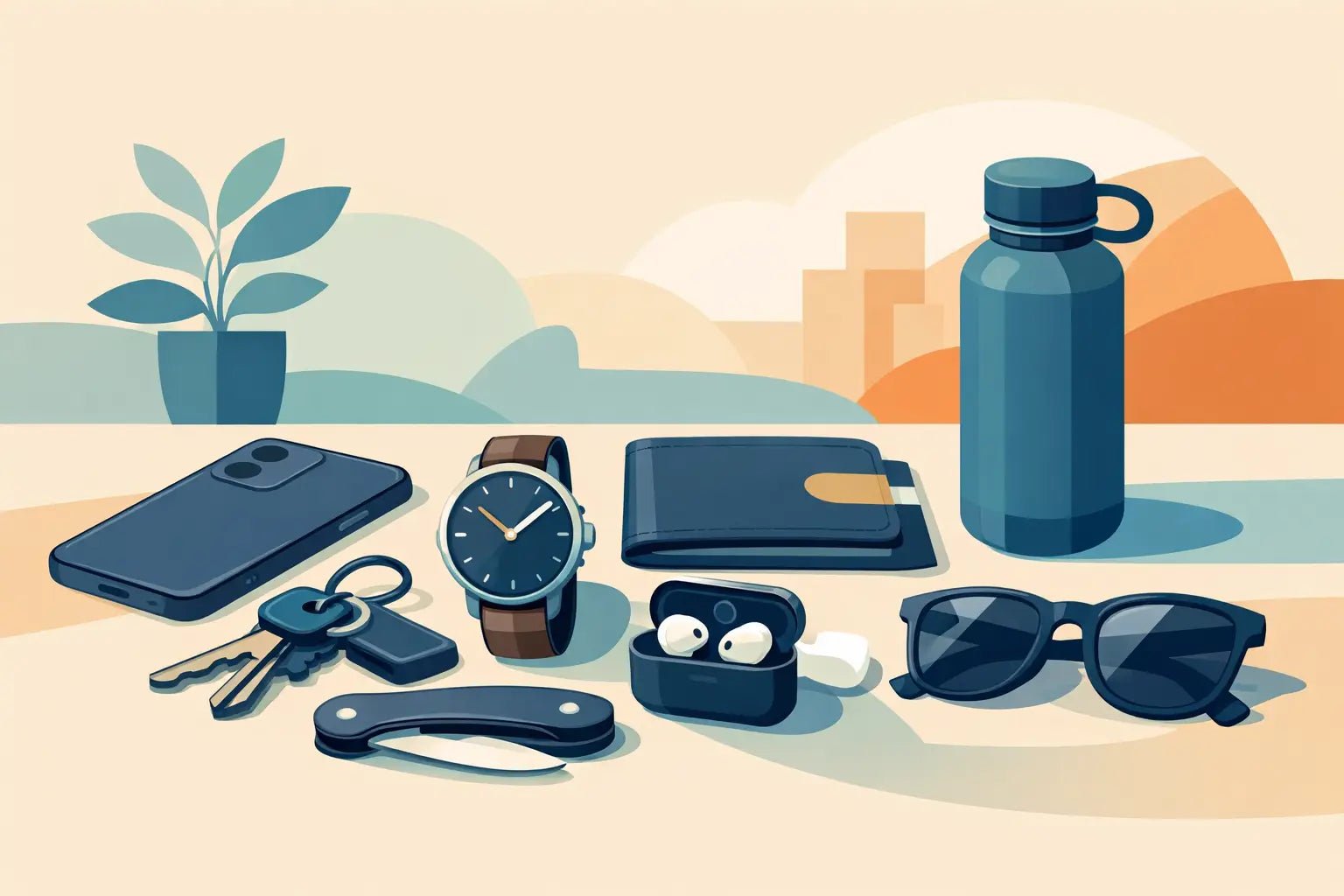
A watch visible beneath a rolled cuff. A compact camera pulled from a crossbody at the exact right moment. A bag that holds a laptop, film, chargers, and a little evidence of a life well lived. The most interesting everyday carry style trends are not about accumulating more gear. They are about choosing objects with a point of view.
For urban creatives, everyday carry has become a practical form of self-portraiture. What you bring along needs to perform through commutes, meetings, coffee runs, gallery nights, and unplanned weekends. It should also look like it belongs to you. The current shift favors fewer pieces, stronger design, and products that earn their place through daily use.
Everyday Carry Style Trends Are Becoming More Intentional
The old idea of EDC often leaned tactical: maximum compartments, technical finishes, and tools for every possible contingency. That approach still makes sense for people who need it. But style-led carry is moving in another direction. It is more edited, more expressive, and more connected to the rhythms of city life.
The goal is not to build a uniform. It is to create a reliable personal system: one bag that handles the day, one watch that brings character to an outfit, one camera that makes you want to document what is happening. Function remains essential, but it no longer has to look anonymous.
This matters because the items we use most become visual signatures. A well-chosen piece can make a simple black tee, overshirt, or tailored coat feel considered without looking over-styled. The best everyday objects do not demand attention. They reward a second look.
The Watch Is Back as a Style Anchor
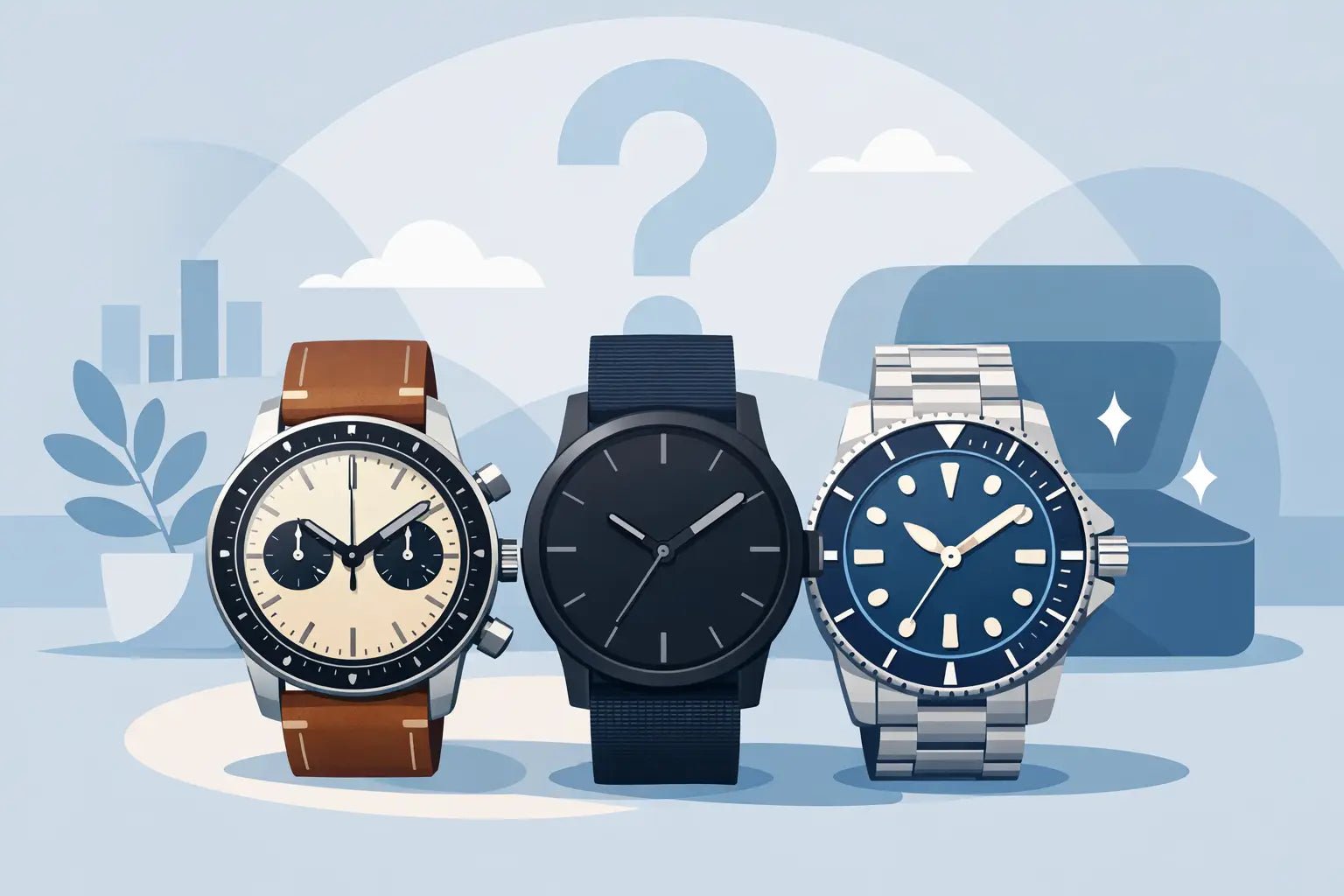
Smartwatches solved a real problem, but they also made wrists look remarkably similar. That has created fresh space for watches with personality - especially mechanical-inspired designs, distinctive dials, unusual cases, and limited-edition color stories.
A statement watch is not necessarily loud. It might be a clean Japanese-made piece with precise finishing, a vintage racing reference, or an Italian design that treats the dial as graphic art. The point is visual identity. A watch is one of the few accessories that remains visible throughout the day, whether you are holding a tote strap, typing at a desk, or reaching for a camera.
The trade-off is straightforward. A traditional watch will not replace fitness tracking or phone alerts. But many people are happy to let their phone handle those tasks and give their wrist something more permanent, tactile, and personal. Choosing a watch for its design, not just its specifications, is one of the clearest signals in current everyday carry style.
Smaller details are doing more work
Watch styling is becoming less about collecting a drawer full of near-identical models and more about selecting one or two that suit your life. Consider proportion first. A compact, understated case tends to work across office wear and weekends, while a larger, expressive design can become the focal point of an otherwise minimal look.
Straps matter, too. Leather adds warmth, steel feels architectural, and rubber keeps a more casual or weather-ready edge. The right combination should feel intentional rather than precious. An everyday watch should be worn, not protected from the day.
Compact Cameras Are Part of the Look and the Ritual
Phones are always with us, yet the appetite for dedicated cameras keeps growing. That is not a rejection of digital convenience. It is a response to how frictionless phone photography has become. A compact instant camera, reusable film camera, or collectible mini camera asks for a little more attention, and that changes the experience.
The appeal is partly visual. A camera with a strong color, a nostalgic silhouette, or a pocket-friendly form has presence even when it is not being used. More importantly, it creates a reason to notice the moment before capturing it. That is the analog joy people are seeking in a digital world.
Instant photography fits naturally into social life: dinner tables, road trips, birthdays, studio visits, and late-night gatherings. The print becomes part of the interaction rather than another image lost in a camera roll. A small digital camera or printer serves a similar purpose for people who want more control while keeping the process immediate.
There is a practical question here: will you truly carry it? A large, technically impressive camera can stay on the shelf if it feels like another bag to pack. Compact formats win because they make photography feel available. The best option is not always the camera with the longest spec sheet. It is the one that gets invited out.
Bags Are Moving From Storage to Daily Architecture
A bag used to be judged by capacity first. Capacity still matters, but the better question is how it organizes a day. Can it transition from train platform to client meeting without looking out of place? Can it protect a camera and laptop without becoming bulky? Does it sit comfortably when you are walking six blocks instead of two?
The strongest bag trend is refined utility. Think clean-lined backpacks, compact crossbody bags, and structured shoulder bags with intelligent internal organization. Water-resistant materials are increasingly valuable, especially for commuters, but the finish should still feel polished enough for everyday wear.
A bag does not need twenty pockets to be useful. Too much internal structure can create its own kind of clutter, making small items harder to find and limiting how the bag adapts to different plans. Look instead for a logical mix of protected space, quick-access storage, and a silhouette that keeps its shape when it is not completely full.
Choose a carry format around your actual day
Backpacks remain the dependable choice for people carrying a laptop, headphones, notebook, and camera gear. They distribute weight well and can feel surprisingly sharp when the profile is slim and the hardware is restrained.
Crossbody bags are having a more style-forward moment because they answer a different need: access. They are ideal for a phone, wallet, compact camera, film packs, and daily essentials when a full backpack would be excessive. They work especially well for weekends, travel days, and creative events where you want your hands free without loading every pocket.
Neither option is universally better. The smart move is to let your heaviest regular carry decide. If your day begins with a laptop, start with a backpack. If your day revolves around movement and a few key objects, a crossbody may become the more useful signature piece.
Color and Material Are Replacing Obvious Logos
Quiet luxury has had its moment, but quiet does not have to mean beige. Everyday carry is becoming more confident with color, texture, and material contrast. Deep navy, forest green, warm tan, translucent plastic, brushed metal, and bright camera accents all offer personality without relying on oversized branding.
This is where a curated approach beats endless choice. A single item in an unexpected finish can elevate neutral clothing far better than a pile of accessories competing for attention. Pair a matte black waterproof bag with a silver watch. Let a bright instant camera come out against an otherwise monochrome outfit. Carry an object that starts a conversation because it is genuinely good-looking, not because it is trying too hard.
Materials also shape how an item ages. Leather develops character. Nylon and coated fabrics usually handle weather and daily abuse more easily. Metal cases collect small marks that can feel lived-in rather than damaged. There is no universally superior material, only the one that matches your tolerance for maintenance and the kind of patina you want to see.
Build a Carry System, Not a Shopping List
The most durable trend is restraint. Start by noticing what you reach for every morning and what keeps getting left behind. If an item is beautiful but inconvenient, it may be better as a special-occasion object. If it is useful but visually forgettable, consider whether one well-designed replacement would make daily life feel better.
A strong carry system usually has a clear hierarchy. Your bag handles movement and protection. Your watch sets a visual tone. Your camera or photography accessory creates an opening for play. Add only what supports those roles. This keeps the collection flexible and prevents every purchase from becoming another thing to manage.
At Bang On, that idea of considered selection is the point: design-led essentials from recognized brands, chosen for people who want their everyday objects to feel distinctive and dependable.
The right everyday carry does not need to announce itself. It simply makes the ordinary day more functional, more expressive, and a little more worth remembering.