Are Instant Cameras Worth Buying? A Real Take
A phone can take a thousand photos before lunch. Most will live briefly in a camera roll, then disappear beneath screenshots, receipts, and group-chat memes. An instant camera asks for a different kind of attention. So, are instant cameras worth buying? For urban creatives, design-savvy shoppers, and anyone who wants tangible memories, expressive design, and a slower creative ritual, absolutely. But they are not the right camera for every situation.
The appeal is not technical perfection. It is the small pause between pressing the shutter and seeing a photo become an object you can hold, pass around, stick to a wall, or slip inside a journal. In a culture flooded with disposable digital images, instant photography gives everyday moments more weight and personality. This piece looks at where that value outweighs the format’s limits, how to choose the right instant camera, a few practical ways to use one well, and why instant cameras still matter now.
Why instant cameras still feel different
The modern camera roll is efficient, endless, and often invisible. Instant film is intentionally the opposite. You get a limited number of frames, a physical result, and a little unpredictability built into the process. That constraint makes people more present in front of and behind the lens.
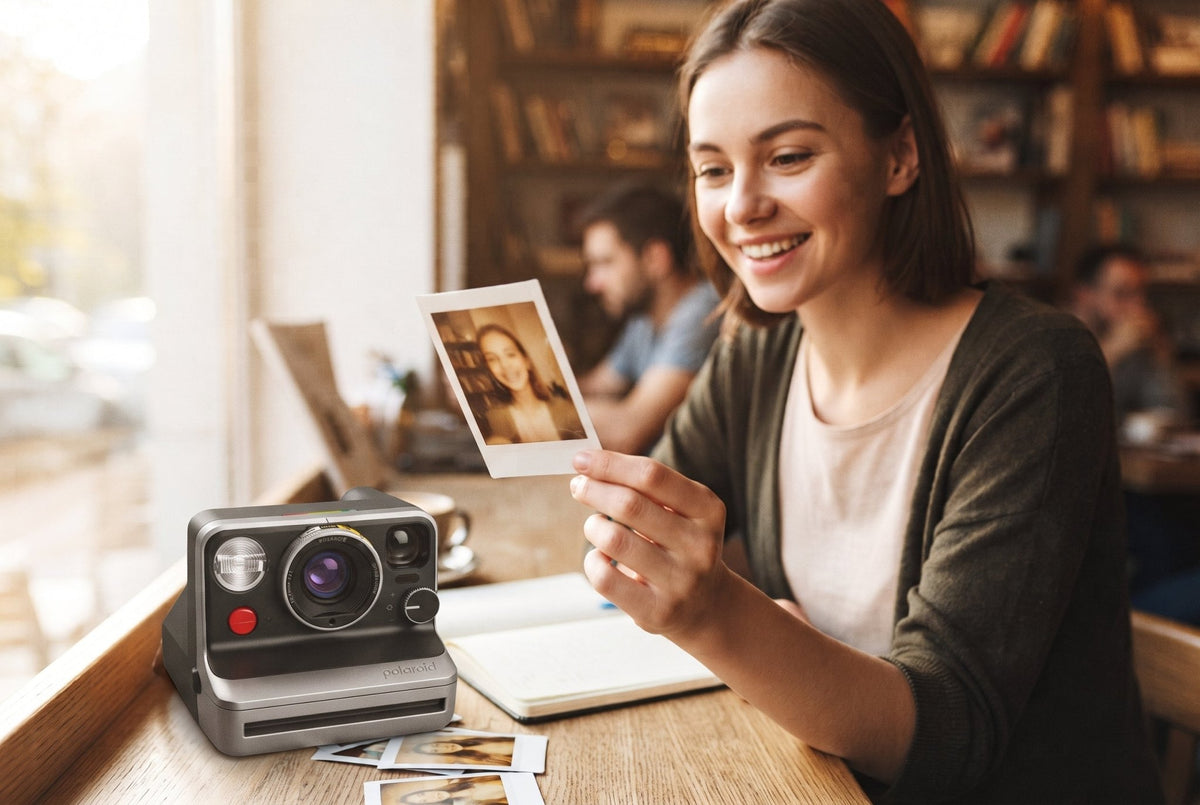
At a dinner, an instant camera changes the mood almost immediately. Guests stop posing for content and start reacting to each other. At a wedding, a birthday, or a weekend away, the print becomes part of the event itself rather than a file someone promises to send later. There is a reason a slightly soft, imperfect instant portrait can feel more alive than a clinically sharp phone photo.
Design matters, too. A good instant camera is not just another piece of tech. It can be a colorful object on a coffee table, a compact companion in a crossbody bag, or a thoughtful gift that invites someone to make more of their time. Polaroid cameras in particular carry a visual language that feels familiar without being generic: bold, playful, and built around the pleasure of the print.
Are instant cameras worth buying for your lifestyle?
They are worth it when the experience matters as much as the image. If you love documenting gatherings, building travel journals, decorating a workspace, or giving personal gifts, an instant camera earns its place quickly. It gives your photos a destination beyond your screen.
They also suit people who feel creatively over-served by their phones. A phone is always available, which can make every image feel disposable. An instant camera has a single purpose. You take it out because you want to make a photograph, not because you happened to open an app.
That distinction is especially useful for urban creatives. You may use your phone for daily snapshots and still keep an instant camera for the moments with more character: a late-night dinner, a studio visit, a road trip stop, a new apartment, or a friend wearing an outfit too good to leave in the feed.
For gift buyers, instant cameras have an advantage over many lifestyle purchases. They are personal without requiring you to guess someone's size or exact taste. The recipient gets both an object and an ongoing activity. A camera with a few packs of film feels considered, not obligatory.
The trade-offs and film cost are real
Instant photography is not a bargain form of photography. The camera may be accessible, but film is an ongoing expense, and film cost usually lands around $0.75 to $2.00 per shot, so every frame is a commitment. If you take hundreds of images every month, the cost per print becomes noticeable, and most Instax film packs give you ten exposures while Polaroid options usually come with eight. It is best to think of film as part of the experience, closer to buying a great notebook than adding another unlimited storage plan.
Instax Mini film is one of the cheaper ways in, at about $7.99 for 10 shots. Instax Square film usually sits around $9.99 for 10 shots. Instax Wide film is closer to $13.99 for 10 shots and makes more sense if you want larger prints. Polaroid film is about $16.99 for 8 shots and tends to cost more per image. Fujifilm's Instax film is also widely available across sizes, while Polaroid Go film is about $19.99 for 16 shots if you prefer the smaller camera system.
You also need to accept that instant cameras work with limitations, and like other instant cameras they are slower and bulkier than phones, so portability is part of the tradeoff. They are less flexible than a phone in low light, less precise than a digital camera, and not designed for fast sports, distant wildlife, or highly controlled commercial work. Exposure can vary. Flash may be necessary indoors. A print can develop warmer, darker, or softer than you expected. Instax film usually develops in about 90 seconds, while polaroid film can take 10 to 15 minutes.
That unpredictability is either the magic or the dealbreaker. If your priority is consistently sharp images with total control over color and editing, invest in a digital camera or keep using your phone. If you want photographs with atmosphere, texture, and a sense of occasion, the quirks are part of the point.
It is also worth considering where the camera will actually live. A larger classic-format instant camera makes a strong visual statement and produces a more generous print, but it may not be the camera you carry every day. Compact models are easier to bring to a concert, a picnic, or a weekend trip, though their smaller prints create a different visual impact. Different film formats shift that balance: Mini is easiest to carry, square sits in the middle, and Wide gives you the biggest prints with more bulk. The best format is the one you will reach for. Unopened film packs expire and need proper storage, and finished prints also last better when kept away from sunlight and moisture.
Choosing the best instant cameras for your needs
Start with the print experience, not a spec sheet. Do you want the iconic frame of film formats like instax mini for credit card sized prints, instax square for square prints, or instax wide for bigger scenes? This decision affects the camera's size, the look of your photos, and the ongoing cost of film, and Instax Wide film produces the largest instant prints at 108 x 85mm.
Fujifilm Instax Mini uses instax mini film that measures 54 x 85mm, instax square uses instax square film and square film, and Polaroid Go film measures 53.9 x 66.6mm.
Next, think about how much control you want. Some instax cameras are made for pure point-and-shoot ease and are beginner-friendly and reliable. The Instax Mini 12 is ideal for beginners and kids because it is uncomplicated and durable. The Instax Mini 13 is also super simple to use. Others offer adjustable settings, but if you want more creative control, the Polaroid Now+ Gen 2 offers more than Instax through app-based options. Those suit photographers who enjoy experimenting and learning how light changes the final print.
A hybrid instant camera can be the smarter choice for anyone nervous about wasting film. These models give you a digital preview on an lcd screen, and even a small lcd screen, so you can review digital images before printing, combining digital convenience with a physical result. The instax mini evo is a premium option with digital features for saving and selecting images before printing. They are practical for travel, scrapbooking, and sharing a print with friends while keeping a digital copy. The trade-off is that the ritual feels slightly less immediate than a true analog instant camera, where the image only exists once it leaves the camera.
There is no universally better choice. Analog is for the person who wants surprise. Hybrid is for the person who wants flexibility. A compact format is for frequent, casual use. A larger format is for prints that deserve a place on the wall. Most Instax cameras use AA batteries, while many Polaroid models use a built in rechargeable battery. For battery life, the Fujifilm Instax Square SQ40 has decent battery life at 300 shots and just three settings: on, off, and close-up.
How to get more from every frame
Instant cameras reward a few simple habits. Use the flash indoors unless your camera's instructions suggest otherwise. Some cameras use a light meter and automatic shutter speed to judge exposure, while more advanced models may allow exposure compensation. Step closer than you think, especially for portraits, because many instant cameras are at their best within a comfortable conversational distance, and some make close up shots easier with a dedicated close-up setting or a selfie mirror. Give the developing print time and keep it out of harsh direct light while the image settles.
More importantly, use film with intent to capture moments that work best as an instant photo. Photograph people doing something, not just standing still. Capture the table after dinner, the friend who is always laughing mid-sentence, the train window at golden hour, or the messy first night in a new place. Instant photography is strongest when it preserves evidence of a real moment rather than chasing a polished result. That slower pace will feel familiar if you already enjoy shooting film instead of spraying dozens of digital frames.
Keep a slim album, a pinboard, or a dedicated drawer for prints. Once you give the photos a home, the value of the camera becomes easier to see. A year of instant prints can become a physical record of your life that no cloud backup quite replicates.
A better purchase when it is intentional
An instant camera is not meant to replace the camera already in your pocket. It is a reason to photograph differently, especially if you want physical prints and a break from digital photography, not just more files on your phone. It makes a casual gathering feel documented, gives travel memories a more permanent shape, and turns a simple snapshot into something worth keeping.
For the right person, that is more than enough reason to buy one. Choose between an analog camera and a hybrid instant camera based on whether you prefer spontaneity or extra digital features, then pick a format that fits your routine, buy film you will be happy to use, and bring it to the occasions you would otherwise scroll past. Buyers comparing analogue instant cameras with hybrids should focus on format, film cost, and whether they want to print every shot or choose from saved images. The best first print does not need to be perfect. It just needs to be one you want to keep.