Best Instant Camera for Beginners: What to Buy
The first instant camera is usually not about specs. It is about whether someone will actually carry it, use it, and enjoy the surprise of a print in their hand a few minutes later. That is why the best instant camera for beginners is rarely the one with the longest feature list. It is the one that makes analog photography feel easy, inviting, and worth repeating.
For most first-time buyers, instant photography sits somewhere between hobby, design object, and social ritual. You want something simple enough to use without reading a manual, but stylish enough to feel like part of your everyday kit. You also want prints that look good, film that is not a hassle to find, and a camera that does not punish small mistakes. That narrows the field quickly.
What makes the best instant camera for beginners?
A beginner-friendly instant camera should do three things well. It should expose consistently in mixed light, keep the shooting process straightforward, and produce a print format that feels satisfying from day one.
Ease matters more than people expect. If loading film feels awkward or the controls are confusing, the camera starts to feel precious instead of fun. Beginners tend to shoot at parties, on walks, during travel, or as part of a gift moment. In those settings, the best camera is the one that gets out of the way.
Print size is the next big decision. Smaller formats are usually more affordable and easier to carry, but they can feel more casual and less display-worthy. Larger prints have more visual presence, which is great for portraits, desk styling, or pinning memories on a wall, though the camera itself is often bulkier and the film costs more. There is no universal right answer here. It depends on whether you want spontaneity, visual impact, or a balance of both.
Then there is aesthetics. With instant cameras, design is not superficial. A camera that feels good in the hand and looks right in your bag gets used more often. For design-conscious buyers, that matters.
The main types of beginner instant cameras
Most beginners end up choosing between classic point-and-shoot instant cameras and hybrid instant cameras. The difference is practical.
Classic instant cameras are the pure analog option. You frame, press the shutter, and the image develops as a physical print. That unpredictability is part of the appeal. You get the soft edges, occasional exposure quirks, and the kind of imperfect charm digital filters keep trying to imitate.
Hybrid instant cameras add a screen or digital capture element before printing. They let you preview shots, select images, and avoid wasting film on blinks or bad framing. For someone who wants more control and less trial and error, hybrids can be a smart entry point.
There is a trade-off. Pure instant models usually feel more emotional and tactile. Hybrid models are more efficient and forgiving. If the goal is analog joy, classic wins. If the goal is confidence and convenience, hybrid often makes more sense.
Polaroid or Kodak for a first camera?
For many first-time buyers, the decision starts here. Both names are familiar. Both carry cultural weight. But they create slightly different beginner experiences.
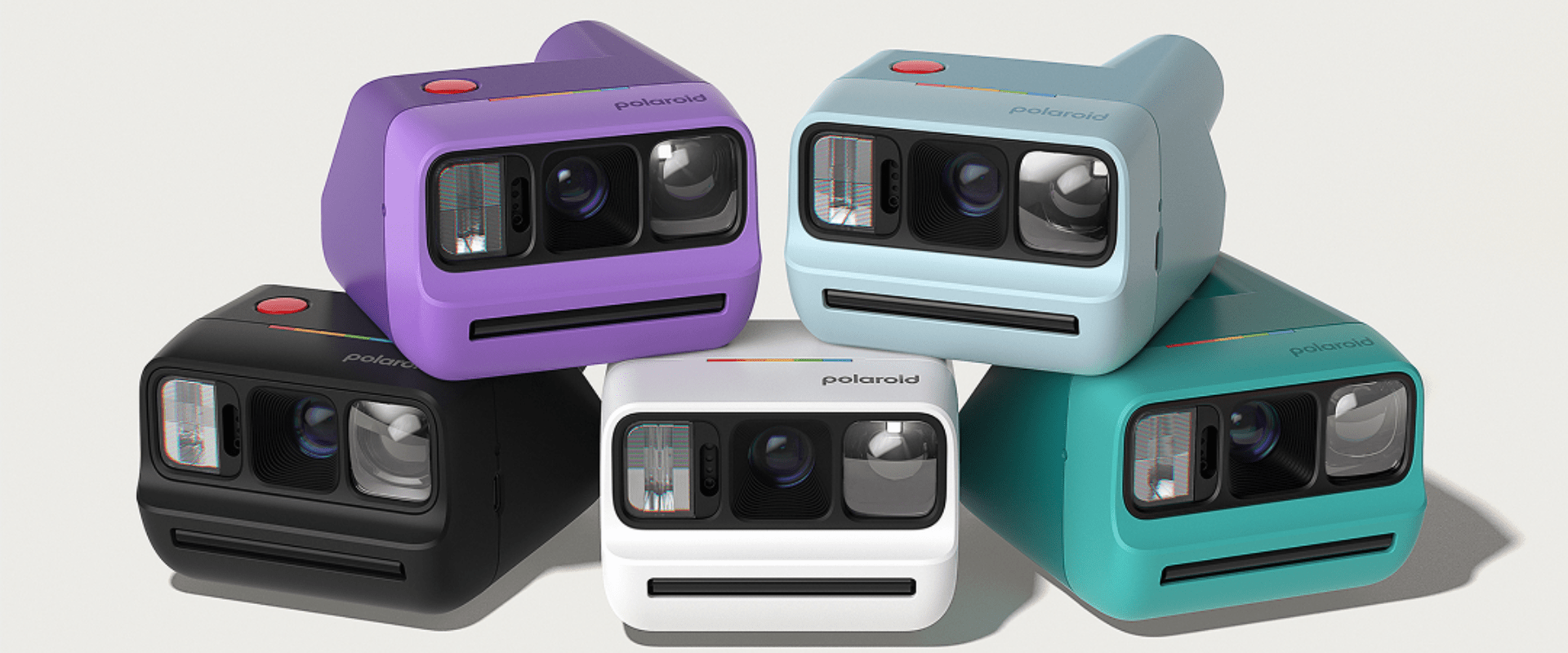
Polaroid tends to appeal to people who want the full instant-camera feeling - larger prints, iconic design, and a more expressive, nostalgic image style. The look is part of the product. A Polaroid print has presence. It feels collectible in a way that smaller formats sometimes do not.
That said, Polaroid is not always the cheapest route into the category. Film can cost more, and the larger camera body is not for everyone. If you love the visual language of instant photography and want prints that feel like objects, it is often worth it.
Kodak sits in a slightly different lane depending on the model. It can be a strong option for buyers who want something accessible, compact, and easy to work into everyday use. If you are less attached to a specific vintage instant aesthetic and more interested in convenience or gifting, Kodak can be a practical fit.
This is where curation matters. A beginner does not need every possible option. They need a few well-chosen ones with clear differences.
How to choose the best instant camera for beginners
Start with where the camera will live. If it is going into a tote, backpack, or travel setup, size matters. A compact camera gets carried more often. If it is mainly for home, gatherings, and weekend use, a slightly larger body is less of an issue.
Next, think about who is using it. A complete beginner usually benefits from automatic exposure, minimal controls, and easy film loading. A creative user who already shoots digital may prefer a bit more manual influence or a hybrid model that offers previewing before print.
Then consider what the prints are for. Small casual snapshots are ideal for journals, wallets, and gift notes. Larger prints feel better for keepsakes, mini displays, or portrait moments. If the camera is being bought as a gift, this question matters more than people realize. A stylish camera with tiny prints gives a very different experience from a more statement-making model with larger images.
Film availability should also stay on your radar. A camera is only as enjoyable as it is easy to keep using. If film feels expensive or hard to restock, beginners often slow down after the first few packs. The best first camera is not just easy to buy. It is easy to keep loving.
Features that matter and features that do not
Autofocus, self-timer, flash control, and a reliable auto mode genuinely help beginners. They remove friction and improve the hit rate. A selfie mirror can also be useful if the camera is meant for social use, travel, or casual portraits.
What matters less at the start are advanced modes you will not use, novelty filters, or feature overload disguised as value. Instant photography works best when the camera encourages instinct. Too many settings can make a simple format feel oddly technical.
Battery design is worth checking, though. Rechargeable systems are easier for regular use and usually feel more modern. Build quality matters too. A beginner camera should feel sturdy enough for actual life, not like something that needs to stay on a shelf.
The style question is real
People often pretend style is secondary when buying a camera. It is not. Especially with instant cameras.
A beginner is far more likely to use a camera that feels like part of their personal aesthetic. That could mean a clean modern body, retro lines, bold color, or a more minimal design language. Instant cameras are visible objects. They come out at dinners, on trips, at birthdays, in studio spaces, and on coffee tables. The right one should feel intentional.
For a design-led retailer like Bang On, that overlap between object and tool is exactly the point. A good instant camera does not only take pictures. It adds character to the ritual.
Who should buy what?
If you want the classic instant experience with larger, iconic prints, Polaroid is often the strongest starting point. It suits buyers who care about the emotional texture of the image as much as technical precision.
If you want something more compact or gift-friendly, a simpler Kodak option may be the better first move. It lowers the barrier to entry and fits more easily into everyday routines.
If you hate wasting film, consider a hybrid style camera. It is less romantic, maybe, but often more beginner-proof. If you want the full analog surprise, go traditional and accept that a few imperfect shots are part of the charm.
That is really the dividing line. Some people want control. Others want character.
A smart first purchase feels easy after checkout
The best instant camera for beginners should feel rewarding on day one and still feel good after the novelty wears off. That means choosing based on use, film format, and design preference, not just brand recognition or trend momentum.
A well-chosen instant camera turns ordinary moments into physical ones. That is the appeal. Not perfection, not endless settings, just a better reason to notice what is worth keeping.
If you are buying your first one, choose the camera that makes you want to load film and head out the door. That instinct is usually the right one.