
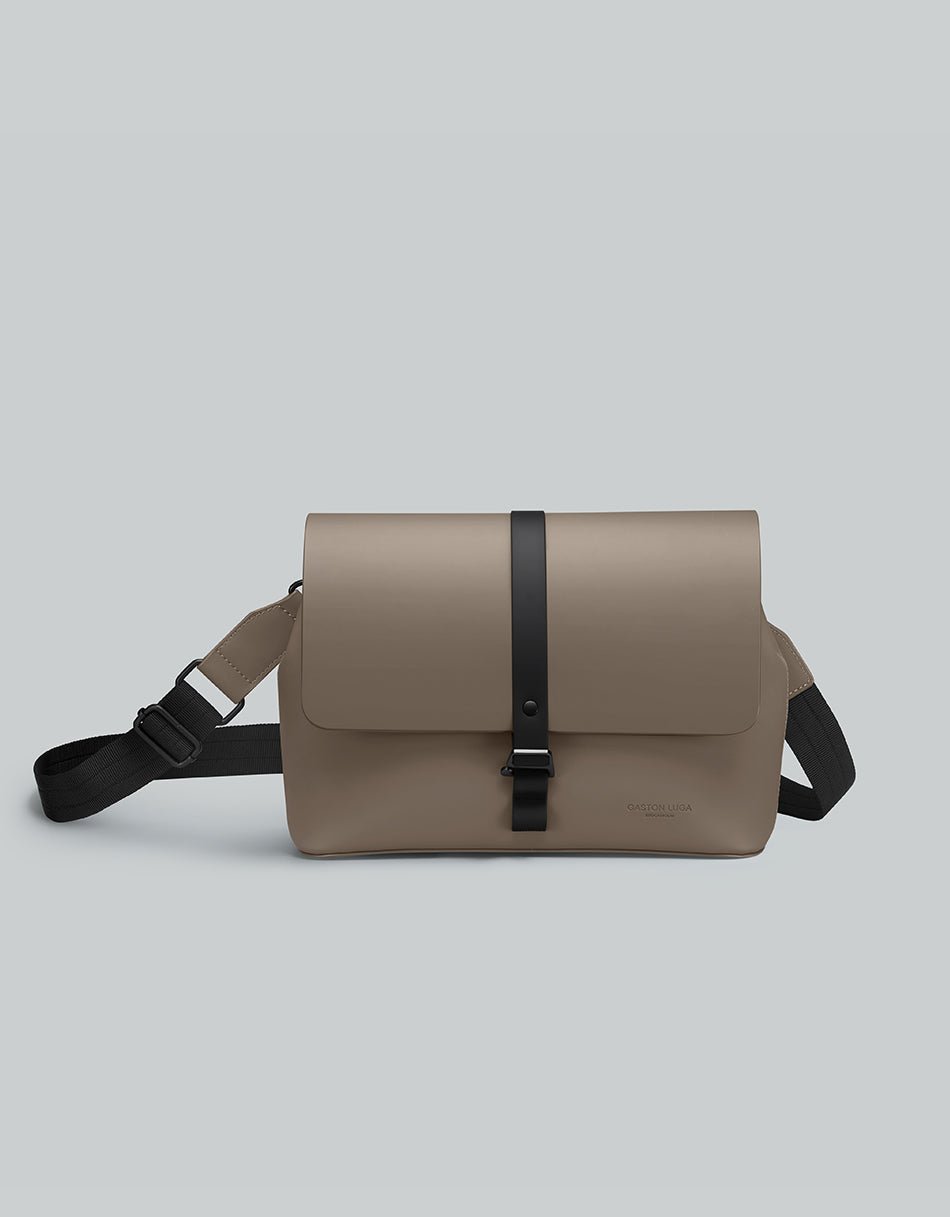

Sustainable Accessory Choices That Actually Last
A watch that still feels right after years of wear. A backpack that handles rain, commutes, and last-minute weekend plans without losing its shape. A camera you reach for because it makes ordinary moments worth keeping. Sustainable accessory choices start there: with objects that earn a permanent place in your routine rather than a brief turn in your cart.
The most responsible accessory is not always the one with the loudest eco claim. It is often the one you choose carefully, use constantly, maintain well, and would genuinely replace if it disappeared. For urban creatives, that standard matters. Your everyday carry should work hard, look considered, and feel personal enough to outlast passing trends.
Sustainable Accessory Choices: Sustainable Accessories Begin With Fewer, Better Pieces
Buying less is not about stripping the fun out of personal style. It is about editing with intention. A distinctive watch, a dependable waterproof bag, or an instant camera that brings people together can add more to daily life than a drawer full of forgettable extras.
Start by looking at the role an accessory will play. A work bag should fit your actual carry: laptop, charger, headphones, water bottle, and the small essentials that otherwise float around at the bottom. A watch should suit how you dress and live, whether that means a clean, quiet dial for the office or a more expressive design for weekends. A camera should make you want to take photos, not become another piece of technology you mean to learn someday.
This approach also reduces duplicate purchases. If you already own a black crossbody you love, another nearly identical option is unlikely to add much. If your current bag is failing at the seams or leaves your gear exposed in bad weather, upgrading to a more durable version is a sensible move. As a conscious consumer, sustainability is not a rule against buying. It is a case for buying with a clear reason, which is also the basic mindset behind sustainable fashion: buy less, buy better, and keep what truly earns its place.
Look Beyond a Material Label: Consider Recycled Materials
Materials matter, but no single fabric, metal, or finish tells the whole story. Recycled nylon can be a strong choice for a bag, and some eco friendly materials are an even better fit when they offer lower impact without sacrificing performance, including organic options, recycled fabrics, and certified organic fibers such as hemp and linen that are strong and biodegradable. Recycled metals, including gold, can be polished or melted down repeatedly without loss of quality and can be a strong choice for durable accessories such as jewelry. Leather can last for decades when it is well made and properly cared for, and vegetable tanning uses natural tannins from tree bark. Stainless steel is highly durable and common in watches designed to stay in rotation. Solid stainless steel or brass jewelry is exceptionally durable. Bio-based and recycled materials can lower reliance on virgin resources, but their value depends on durability, production methods, and what happens to the item later.
The better question is not simply, “What is this made from?” Ask, “Will this material perform for the life I expect from this product?” A thin fabric marketed as conscious is still a poor buy if it tears after one season, while natural fibers can improve durability and help reduce waste when they are strong enough for the intended use. A long-lasting item made from conventional materials may create less waste over time than several short-lived replacements.
For bags, inspect the pressure points: shoulder straps, zipper tracks, corners, lining, and hardware, since metal hardware generally lasts better than plastic. For watches, consider case construction, crystal durability, water resistance, and the availability of replacement straps. For cameras, look at the ecosystem around the device. Can you still get film, batteries, or compatible accessories? A product only has a long life if you can realistically keep using it.
Durability Is a Design Feature in Vegan Leather Alternatives
There is a reason certain accessories become personal signatures. They age with you. The finish develops character, the strap softens, and the object becomes associated with places, people, and routines in a way that feels timeless. That kind of attachment is useful. When you care about an item, you are more likely to repair it, protect it, and keep it out of the discard pile.
Choose construction that supports that relationship. Reinforced stitching, dependable closures, water-resistant materials, and better materials are not minor specifications. They are part of durability by design, not just surface-level sustainability claims, and can determine whether an accessory stays useful beyond its first year.
Choose Repairable, Refreshable Design
A sustainable purchase should not become disposable because of one worn component. Accessories with replaceable parts give you more options when life leaves a mark.
Watches are an obvious example. A battery change, a new strap, a clasp adjustment, or basic servicing can extend their life dramatically. Interchangeable straps also change the look of a watch without requiring another case, movement, and box. One well-chosen watch with a few considered straps can cover more ground than several low-cost alternatives.
Bags benefit from the same mindset. Small problems often have straightforward fixes: a zipper pull can be replaced, loose stitching can be reinforced, and many surface marks can be cleaned or treated. Strong components matter too: linings made from recycled polyester and well-made recycled elastics can hold up to repeated use and help reduce waste. High-tenacity versions are valued for their incredible tensile strength, which supports more durable, repairable construction. That same repairable approach is especially valuable in shoes and boots, where soles, stitching, and hardware often wear out before the whole item needs replacing. Before retiring a favorite bag, check whether a local repair specialist can bring it back into use. Repair is often less expensive than replacement, and the result has more character than a brand-new duplicate.
Cameras call for a slightly different calculation. Electronic repairs can be more specialized, and older models may have limited parts availability. Still, choosing an established format with widely available film or accessories makes a real difference. Instant photography, for example, involves ongoing consumables, so it is worth choosing a camera you will use often enough to justify the film and enjoy the prints rather than letting both sit untouched.
Match the Accessory to Your Actual Life
An accessory cannot be sustainable for you if it is wrong for your routine. The perfect-looking mini bag is not a good choice if it cannot hold your phone, keys, and transit card. The same test applies to sunglasses, belts, scarves, and tote bags: if they do not suit daily use, they will not become sustainable accessories that actually earn repeat wear. A delicate watch may not suit someone who bikes through the city or works with their hands. A large camera may deliver beautiful results but stay home if you prefer to travel light.
This is where a selective collection has an advantage over endless scrolling. Instead of chasing every version of a trend, focus on the design details that make an item easier to live with. Think secure pockets, adjustable straps, weather-ready materials, intuitive controls, and proportions that suit your body and your day. A crossbody made from recycled plastics can still be practical and durable, and some options are made from recycled bottles, using up to 21 plastic bottles per piece. Tote bags are often a smart go to when they use organic cotton or recycled fabric and are sized for real daily carry. Belts are also worth choosing in vegan leather alternatives such as cork or recycled plastics if they hold shape and hardware well over time.
There is also room for pleasure. Sustainable style does not have to look restrained or overly practical. A bold dial, an unexpected color, or the tactile satisfaction of an instant print can be the very reason you keep using something. Scarves can also be stylish and practical when they use eco-friendly fabrics like Tencel or bamboo. Sunglasses can be a strong choice here too when they are made from bamboo, since it is lightweight, renewable, and fast-growing without pesticides. Personality is not separate from longevity. It is often what keeps an object relevant to you.
Buy Authentic Sustainable Brands When Longevity Matters
Authenticity is a sustainability issue as much as a trust issue. Counterfeit and gray-market goods can bring unclear origins, inconsistent quality, missing parts, and no reliable warranty support. That makes maintenance harder from the start.
Buying from an authorized retailer gives you a clearer product history and access to official warranty coverage where applicable. It also helps ensure that the watch, bag, camera, or film is what it claims to be, and checking the brand’s website can help confirm warranty details, material claims, where it was produced, and whether its sustainable practices and supply chain are clearly explained. A measurable example is tentree, which plants ten trees for every item purchased. Those details matter for the environment and the planet, not just for branding. At Bang On, curation is built around that confidence: recognizable design-led brands, direct sourcing, and products selected for real urban use rather than the disposable norms common in the wider fashion industry.
That kind of sourcing clarity stands apart from fast fashion and mass-produced accessories, where origins and quality can be harder to verify.
A warranty is not a promise that an item will never need attention. It is a practical layer of support when something does go wrong. For higher-value accessories, that support can be the difference between repair and replacement.
Care Is Part of the Purchase
The most stylish way to extend an accessory's life is also the least dramatic: take care of it. Wipe down a watch after heavy wear, keep it away from harsh chemicals, and store it where it will not be scratched by loose keys or jewelry. The same mindset applies to sunglasses and other accessories: store them properly between wears to help them last. Empty crumbs and receipts from your bag, clean spills promptly, and avoid overloading straps beyond what they were designed to carry.
For cameras, protect the lens, keep batteries fresh, and store film according to its instructions. If you use an instant camera, make the act of shooting intentional. Save prints for the people, places, and small scenes you want to remember. Analog joy has more value when it is not treated as a disposable effect.
Care will not make every product last forever. Materials wear, technology changes, and your needs may shift. But a little maintenance gives you more time to decide what is truly worth replacing and what simply needs attention.
The next time you choose an accessory, look for the piece you can picture carrying through a hundred ordinary days. That is where good design, personal style, and a lighter footprint tend to meet, and where good care helps clothes and clothing-linked accessories stay in use longer, reducing waste across more of your wardrobe and lifestyle.


