Where to Buy Authentic Polaroid Film Today
If you are wondering where to buy authentic Polaroid film today, start with authorized retailers like Bang On that source directly from recognized brands and list clear format details, so you can match original film to your camera with confidence. For urban creatives and design-conscious instant photography buyers, a fresh film pack is the difference between a photo that feels like a small artifact and one that leaves you questioning your camera.
When you buy authentic Polaroid film, you are buying the chemistry, format, and color behavior that make the Polaroid experience worth carrying in the first place - not a commodity purchase, especially when a weekend trip, a gift, or a one-time event is the subject. The camera is only half of the equation; the film determines how the image develops, how the colors settle, and whether the final print has the character you expected, which is why it helps to know where to buy genuine packs, how to choose the right film format, how to store and handle film properly, and how to avoid counterfeit or poorly stored stock that can ruin memorable frames.
Why authentic Polaroid film matters
Polaroid film is a tightly engineered system of light-sensitive layers and developing chemicals. Each photo develops through a reaction set in motion as the print exits the camera rollers. That process is why a genuine frame can feel imperfect in a compelling, unmistakably analog way - soft contrast, rich shadows, unexpected color shifts, and no two prints quite alike.
Authentic film also gives you the best baseline for judging your camera. If a print comes out underexposed, streaked, or oddly colored, you need to know whether the issue is the scene, the camera, the rollers, or the film's storage history. Unverified or poorly handled stock adds another unknown. It can turn a creative tool into a frustrating guessing game.
There is room for experimentation in instant photography. A partially obscured frame, warm weather color shifts, and a little motion can all become part of the image. But that is different from accepting uncertain inventory before you have even pressed the shutter.
Where to buy authentic Polaroid film
The safest place to start is the Polaroid official store for the freshest film, or an authorized retailer that works directly with recognized brands and clearly identifies the product format. Authorized retail matters because it reduces the chance of gray-market inventory, repackaged goods, or film that has spent too long in uncontrolled storage. Buying from the manufacturer also helps ensure proper storage and authentic stock.
A well-curated camera and photography retailer should make the decision easy: current product names, clear compatibility details, sensible pack sizes, and transparent fulfillment information. This is especially valuable if you are buying a camera and film together, buying film as a gift, or stocking up before travel. The official Polaroid store also offers global shipping, which makes it a practical option if local stock is limited. At Bang On, the point is not to sort through endless look-alike listings. It is to choose the right original film for the camera you actually own.
Big marketplaces such as amazon can be useful, and fast delivery options can help when you need film quickly, but they require more scrutiny. A listing may use official product images while being fulfilled by a third-party seller with an unclear sourcing trail. Low prices are not automatically suspicious, but a dramatic discount on film is a reason to pause. Film has handling needs, and the lowest price sometimes reflects old, improperly stored, or loosely described inventory.
If you need film locally, major retailers such as Target and Best Buy can also be dependable in-person options. Polaroid film is also available on eBay from various sellers, but it calls for the same close verification of source and condition.
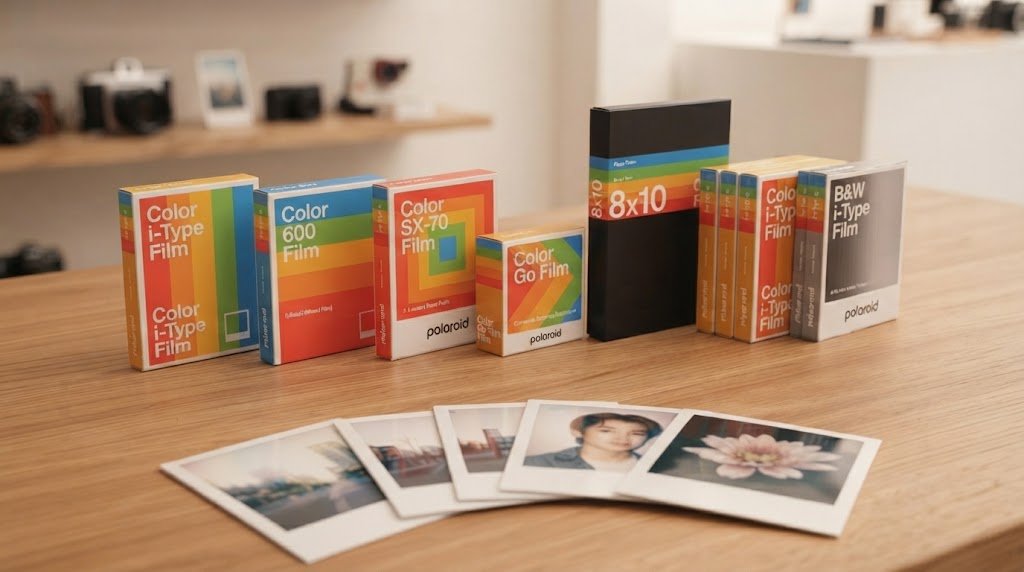
For a quick credibility check, look for a retailer with an established brand assortment, a clear return policy, real product specifications, and customer support that can answer a basic compatibility question. Authorized retailers are safer because they help guarantee authenticity and official warranty coverage for Polaroid products. If the seller cannot tell you whether a pack is i-Type, 600, SX-70, or Go, it is not the place to gamble your best photos.
Signs a listing deserves a second look
Start with the product name. It should state the film family and usually the frame color or special edition, rather than simply calling the pack “instant film.” Official packaging should look clean and current, and the product should arrive in the proper box, not loose or poorly packed. If the packaging or other stuff looks off, the listing deserves extra scrutiny. The listing should also identify that Polaroid Color 600 Film includes 8 photos per pack.
Be cautious when product photos are generic, descriptions are copied across incompatible formats, or the seller makes sweeping promises about results. If the listing relies on a vague third-party seller, watch for third party sellers that obscure origin, and skip unclear listings and stick to reliable sources. Genuine Polaroid film creates a distinctive look, not identical results in every lighting condition. A retailer that understands the product will set honest expectations, including that real results still depend on lighting and whether you use flash. Reviews are most useful when they come from real customers and a recent reviewer, and feedback only helps if it shows whether storage, packaging, or delivery issues keep happening.
Also consider how the film will travel. Summer heat inside a delivery vehicle can be hard on any light-sensitive product, so how a retailer ships or can deliver it matters in hot weather. If you live somewhere hot, order early enough that you are not forced to leave a package outside for hours. The same logic applies to buying packs for a trip: do not wait until the night before departure if the photos matter.
Match the film to your camera before checkout
The most common buying mistake is not fake film. It is buying a real pack in the wrong format. i-Type film came after the Polaroid Originals-era reintroduction of the modern film line, and Polaroid formats are not universal, so a pack that physically resembles another may still be incompatible.
i-Type film
i-Type film is made for new Polaroid camera models, including many current models in the Now and I-2 families, known as i type cameras. It does not contain a battery inside the cartridge because compatible cameras have their own rechargeable power source. That usually makes i-Type the more economical choice for owners of modern cameras, and it is about 20% cheaper than 600 film because it does not include a cartridge battery.
Polaroid 600 film
600 film is designed for classic Polaroid 600 cameras and certain newer cameras that accept it. Each cartridge includes a battery, which powers many vintage 600 cameras. It can also work in some modern compatible models, but the reverse is not true: i-Type film will not power a vintage 600 camera.
SX-70 film
SX-70 film is intended for SX-70 cameras and has a lower sensitivity than 600 film. This matters because the exposure system in an SX-70 was built around that specific film behavior. Using 600 film in an SX-70 may require an ND filter, while i-Type is not appropriate because these classic cameras need the cartridge battery.
Polaroid Go film
Polaroid Go film is its own compact format, made exclusively for the Polaroid Go camera, with a smaller image area than traditional square formats. It is smaller than traditional square Polaroid film and will not fit i-Type, 600, or SX-70 cameras. If the appeal of Go is portability, make sure you are equally deliberate about picking up its matching mini film packs.
When in doubt, check the name printed on the front of your camera or inside its film door. It takes ten seconds and can save an unopened pack from becoming an expensive desk accessory.
Freshness and storage shape the final frame
Film age is not the whole story. Storage conditions matter just as much, sometimes more. For the best quality, film should ideally be under one year old, and Polaroid film generally has a shelf life of 12–18 months. On authentic packaging, you may also see the origin marked as Produced in the EU. Polaroid film is best kept cool and dry, in the fridge but never frozen. Local camera shops often maintain better storage conditions than general retailers. A refrigerator helps protect the chemistry when you are holding packs for future use, while a hot car, sunny windowsill, or bag left near a radiator can shorten their creative lifespan.
Before shooting refrigerated film, let the sealed pack reach room temperature. An hour is a practical rule of thumb. Loading very cold film can affect development, particularly when the weather is already chilly.
SHOWA Film & Camera in Hong Kong is one example of a specialty retailer that carries a broader range of Polaroid film types. Showa Store also sells Polaroid color instant film online.
Once a photo ejects, shield it from strong light during its first few minutes. Slip it face down in a pocket, place it under the film shield, or keep it in a dark bag while it begins to develop. The exact development time depends on temperature and film type, but patience is part of the format, and that early magic in the chemistry is best left undisturbed. Do not bend the print, shake it aggressively, or judge the image in the first minute.
Temperature also becomes a creative variable outdoors. Cold conditions can push colors toward cooler tones and slow development; heat can bring out warmer, more saturated results. Neither is automatically wrong. The key is recognizing that authentic film responds to its environment, which is part of why each photograph feels tied to the moment it was made.
Buy for the way you actually shoot
A single pack works for testing a newly acquired camera, making a few portraits, or giving a camera as a gift. Film choice also affects the look of the pictures you bring home, especially for one-time events or travel. Multiple packs make more sense for parties, road trips, weddings, creative projects, and long weekends when a sold-out local shelf would interrupt the plan. If you like to take every shot freely instead of rationing each frame, extra packs are usually the better buy.
Avoid overstocking simply because film is on sale, unless you know you will store it properly, have the cash for it, and use it before it becomes expired. Instant film is more satisfying when it is part of your current creative rhythm, not a forgotten pile in a drawer. For many photographers, keeping a few packs on hand is the sweet spot: enough freedom to shoot spontaneously, without turning every frame into a precious decision.
Consider frame style, too. The white frame is classic for a reason, but color frames and special editions can shift the mood of a series without changing the camera or the subject. Use them with purpose, and buy matching accessories only when they support how you actually shoot. A clean white border suits everyday portraits and quiet travel scenes; a bolder frame can make a party, a visual diary, or a gift feel more personal.
A good Polaroid photo cannot be recreated with a retake and a filter. That is precisely the appeal. Buy film from a source you trust, choose the format your Polaroid camera was designed to use, and keep it well cared for until real life gives you a moment worth preserving, not a staged retake you force yourself to love.
Read our master works watch review for a design-first look at Japanese quartz craftsmanship, everyday wear, value, and the details worth considering now.