文章: Waterproof Backpacks for Travel That Work
Waterproof Backpacks for Travel That Work
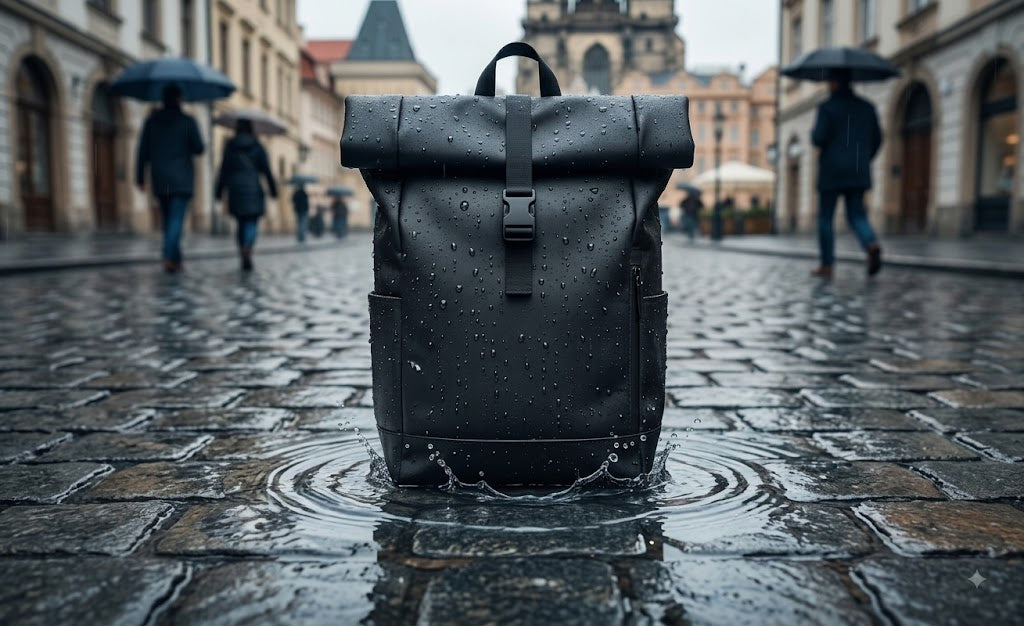
A rain-soaked platform is a poor place to learn that your backpack is only water-resistant. Waterproof backpacks for travel that work use waterproof fabrics, sealed seams, and secure closures to keep cameras, laptops, clothing, and instant film dry through serious rain, splashes, and wet surfaces, without feeling out of place in the city. For travelers carrying a camera, a change of clothes, a laptop, or a few rolls of instant film, they are not a dramatic extra. They are a quiet piece of insurance that keeps a wet commute, ferry ride, or sudden downpour from reshaping the day.
The right one should do more than keep water out. It should fit naturally into an urban itinerary, look considered next to a tailored coat or relaxed weekend uniform, and make access to your essentials feel effortless. For design-conscious commuters and creative travelers who want gear that balances style with practical protection, the difference between waterproof and water-resistant materials, the details that actually block water, comfort on the move, and simple care all shape whether a backpack works day after day.
Waterproof Means More Than Water-Resistant
The language around rain protection can be vague, so start with the distinction that matters. A water-resistant backpack can handle light rain for a short period. Its fabric may have a protective coating, and the exterior may shed droplets, but seams, zippers, and exposed openings can still let water through.
A waterproof bag is designed for much more serious weather exposure. It generally uses waterproof fabric, sealed or welded seams, and closures engineered to limit water entry. That does not automatically make every waterproof backpack suitable for submersion. Unless a brand specifically says it is submersible, treat it as protection for weather, splashes, and wet surfaces, not as equipment for underwater use.
For most city breaks and short-haul travel, water resistance may be enough if rain is occasional and your most valuable item is tucked into an interior sleeve. If you travel by bike, walk between meetings, carry camera gear, or spend time in places where weather is part of the atmosphere, true waterproof construction earns its place quickly.
What Makes the Best Waterproof Backpacks for Travel Worth Packing
A useful travel bag earns room in your routine before it earns room in an overhead bin. It needs to work at 8 a.m. on a rainy commute, look right at a gallery opening, and still hold the essentials for a two-day escape. The best waterproof backpacks balance this versatility without looking like technical expedition gear.
Fabric is the starting point. Coated recycled polyester, TPU-treated fabrics, and nylon are durable choices that enhance waterproofing, while similar performance textiles offer a clean, modern surface and use waterproof materials to create a barrier against rain. TPU-coated fabrics are smoother and completely waterproof, which makes them especially practical for outdoor use. These materials are often easier to wipe down than traditional canvas or untreated leather, which is especially welcome after a train platform, airport floor, or crowded café.
Then look closely at the points where water usually gets in. Seams should be welded, taped, or otherwise reinforced. Roll-top closures offer a reliable barrier against heavy rain because they create multiple folds before the bag is secured, improving waterproof protection. Waterproof zippers can be highly effective and provide faster access, though they may feel stiffer than conventional zippers. A flap can add another layer of coverage, but it should close securely enough that it does not become decorative in bad weather.
A polished exterior is not a compromise. A streamlined waterproof bag can move easily between travel, work, and weekends, which means you buy one well-chosen piece instead of accumulating a separate bag for every setting. If you will wear it for long stretches, ventilation matters because waterproof materials can trap heat and sweat.
Consider Your Travel Rhythm
Choosing the right waterproof backpack depends on your intended activities and destination, and capacity is less about liters on a product page than how you move. A compact backpack works well for a personal item, a day of museum stops, and the daily kit of phone charger, water bottle, jacket, camera, and notebook, while the capacity of waterproof bags determines whether they suit a personal item, an overnight trip, or longer travel. The Ortlieb Velocity Waterproof Backpack at 17 liters is a good example of less capacity that still works well for light carry. It is also easier to manage in a packed subway car or narrow airplane aisle.
For an overnight trip, look for enough space for a light packing cube, a second layer, toiletries, and your creative tools. A larger bag can be useful, but the right waterproof travel backpack should match the trip, since larger capacity helps on longer or more technical travel while oversized backpacks often become awkward when they are only half full. The most adaptable option is usually a structured mid-size design with thoughtful internal organization for travel and outdoor activities. The Patagonia Guidewater Backpack is fully submersible at 29L, which makes it a strong mid-size option when protection matters more. The Sea to Summit Big River Dry Backpack offers 50 liters for bulkier packing needs.
If you fly often, check the bag's dimensions against common personal-item limits before assuming it will fit under the seat. If you travel mostly by rail or car, exterior access and comfort may matter more than airline-friendly proportions. The right choice depends on your actual travel rhythm, not the most ambitious itinerary you can imagine. The Osprey Transporter WP 30 carries an IPX6 waterproof rating, which may matter more when exposure is heavy.
The Details, Like Waterproof Zippers, That Protect Your Gear
A waterproof shell is only half the story. Inside, your gear needs a layout that prevents wet umbrellas, cables, and water bottles from sharing space with electronics or film, and comprehensive internal pockets make organization much easier in waterproof bags.
A suspended laptop compartment is one of the most valuable details for urban travelers. It helps keep a computer elevated from the base of the bag, where water and impact are most likely to meet, and a padded laptop sleeve should also be sealed or otherwise protected from condensation inside the bag. For photographers, a laptop sleeve, a padded section, or an interior organizer can keep a compact camera and accessories from shifting around. If you carry an instant camera, leave room for the camera body without forcing it beside hard objects like chargers or keys.
Quick-access pockets are equally useful, but they need protection, especially when the main compartment should stay separate from wet or loose items. A front pocket is ideal for transit cards, headphones, and a passport when it has a secure zipper and a construction that does not invite rain through the opening. Interior pockets are better for documents, batteries, and film, particularly when the weather turns.
Do not overlook the base. A reinforced, water-resistant bottom matters when a backpack is placed beside a café table, on a wet station floor, or on the ground while you frame a photo. It is an understated feature with a very real impact on how long a bag stays presentable.
Comfort Features Like Shoulder Straps Are a Design Feature
A waterproof material can be heavier and less flexible than standard fabric, so strap design matters. Wide, adjustable shoulder straps distribute weight more comfortably than thin straps that look sleek but dig in after an hour of walking. A chest strap adds stability when carrying heavy loads. Well-shaped back panels can help, and a sternum strap or waist straps may improve comfort over long distances, although heavy padding may add bulk and hold warmth on humid days.
A top handle is worth having for security lines, taxis, and quick transitions. A luggage pass-through is valuable for longer trips with a rolling suitcase, but it is not essential for everyone. The best features are the ones you will use every week, not just once a year. The Exped Typhoon 25 is a lightweight waterproof backpack, and lower weight can make a noticeable difference in day-long comfort.
Try to avoid treating waterproofing as permission to overpack. A bag full of dense gear or other heavy loads becomes uncomfortable regardless of its weather protection, especially on long hikes or longer travel days. Carry the tools that support your trip, edit the rest, and let the bag keep its intended shape.
Choosing a Style That Travels Well
Technical bags can sometimes announce themselves from across the room. That works for outdoor-focused travel, but urban travelers may prefer a quieter approach: a minimal silhouette, restrained branding, and hardware that feels intentional rather than overbuilt, with a stylish design for work and everyday use.
Black remains a dependable choice because it works with nearly anything and hides the marks of constant movement. Charcoal, deep green, and muted neutral tones offer a little more personality without losing versatility. What matters most is a finish that looks as good dry as it does after rain. Matte performance fabric, clean lines, and balanced proportions tend to age better than overly complicated panels and excessive straps.
This is why design-led waterproof bags have become such a natural fit for creative city life. Other waterproof backpacks often lean more technical, while urban-focused options fit better into daily routines. Brands like Chrome Urban show how rain-ready construction can still suit city commuting rather than purely utilitarian use. The goal is not to dress like you are headed into a storm. It is to be ready when one appears.
A Quick Pre-Trip Check
Before leaving, test the habits that make a weatherproof bag work harder. Close zippers fully, roll a rolltop closure tightly, and keep electronics in their designated compartments rather than loose at the bottom. A proper rolltop closure helps maintain the waterproof seal at one of the bag’s common weak points. If your bag has exterior compression straps or buckles, make sure they are secure so the profile stays neat in transit.
Pack a lightweight pouch for small camera accessories, memory cards, charging cables, and film. Even with a waterproof exterior, internal organization reduces the chance of scratches, tangles, and rushed searches in the rain. If you expect sustained heavy weather, a separate dry pouch for the most sensitive electronics adds another layer of confidence without adding much weight, whether you use dry bags or other bags for that extra buffer. The YETI Panga 28L has an IPX7 rating for strong water protection. The MARCHWAY Dry Bag 20L is a budget-friendly option priced under $30 if you want supplemental protection inside your travel bag.
After a wet day, wipe down the exterior and let the bag air dry with its compartments open. Avoid storing it damp in a closet or trunk. Waterproof coatings are durable, but basic care preserves the finish and keeps the bag ready for the next departure. Check sealed seams and taped seams occasionally, since seams and zipper areas are common weak points on any waterproof pack.
The strongest travel accessories do not ask for attention. They make space for the itinerary, the camera roll, the unexpected weather, and the moments worth bringing home. Choose a waterproof backpack with the right protection, a clear point of view, and enough versatility to follow wherever the weekend goes.
Get clear answers to questions about instant printers, from print quality and film costs to battery life, apps, and choosing a design-led model today.
Our guide to buying Japanese watches helps you choose the right movement, design, size, and authorized seller for a piece you will wear for years to come.