文章: Polaroid vs Kodak Instant Cameras
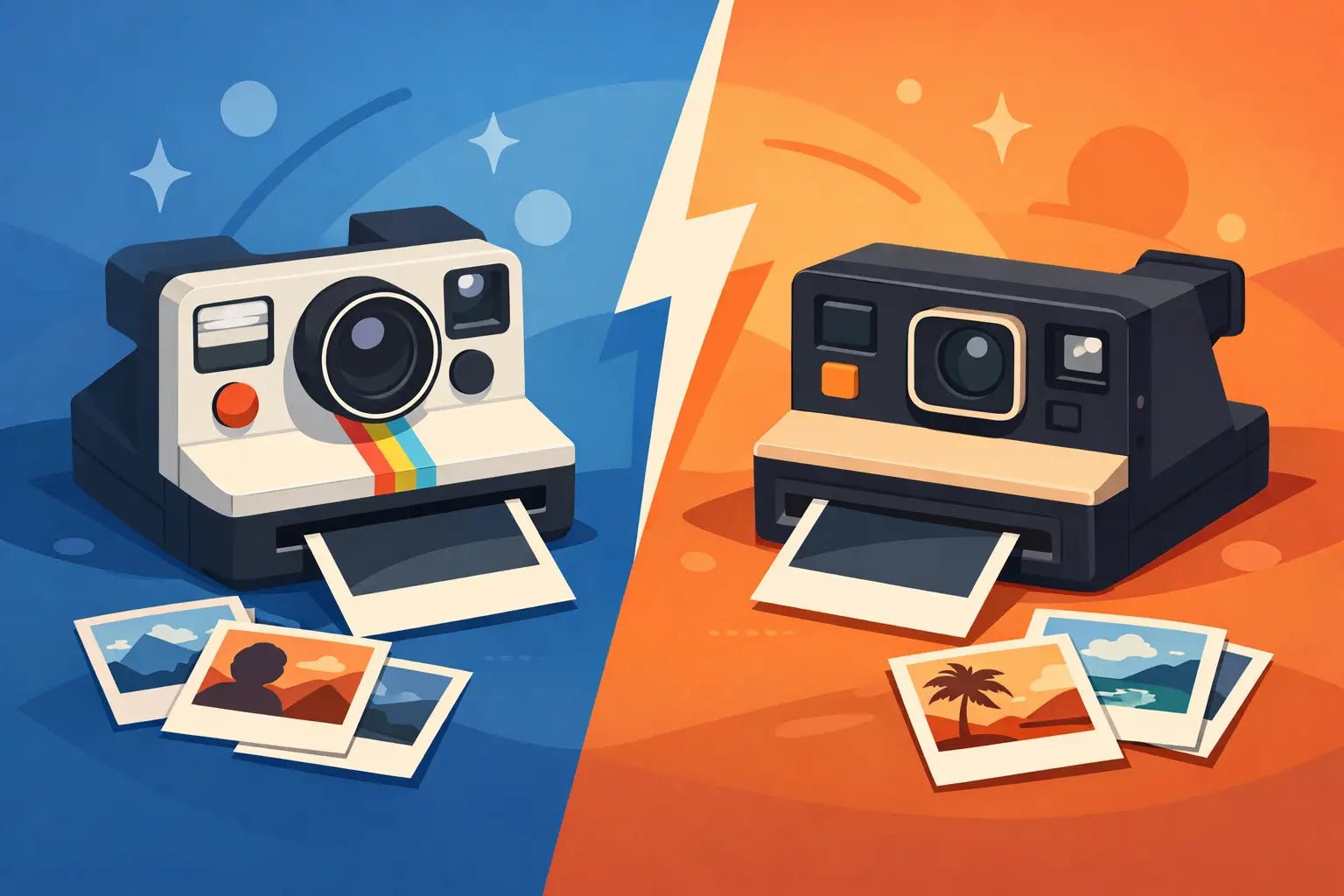
Polaroid vs Kodak Instant Cameras
A good instant camera does more than print a photo. It sets a mood, changes how you frame a moment, and turns everyday scenes into keepsakes you can actually hold. That is why the Polaroid vs Kodak instant cameras question is less about specs alone and more about what kind of shooting experience feels right in your hands.
Both brands tap into analog nostalgia, but they do it with very different personalities. Polaroid leans iconic, expressive, and a little unpredictable in the best way. Kodak tends to feel more compact, accessible, and casual, often appealing to people who want instant photography without too much ritual. If you are choosing between them, the better option depends on how you want your camera to look, feel, and fit into your day.
Polaroid vs Kodak instant cameras: the design difference
Polaroid has one of the most recognizable silhouettes in photography. Even newer models still carry that familiar visual language - boxy shape, bold color blocking, and a form factor that feels made to be seen. For style-conscious buyers, that matters. A Polaroid camera is not just a device. It is part object, part accessory, part conversation piece.
Kodak instant cameras usually take a more compact route. Depending on the model, the look is often lighter, simpler, and easier to slip into a bag without planning around it. That makes Kodak attractive for travel, casual outings, and gifting. If Polaroid feels like a statement piece, Kodak often feels more like a grab-and-go companion.
Neither approach is inherently better. If your camera is part of your personal aesthetic, Polaroid has a stronger design identity. If portability and ease matter more, Kodak may fit better into real everyday use.
Photo look and image character
This is where the choice becomes personal.
Polaroid photos have a distinct visual signature. The larger print format gives images more presence, and the color rendering often feels dreamy, soft, and slightly imperfect. That imperfection is part of the appeal. Highlights can bloom. Tones can shift. Sometimes the result feels more emotional than accurate. For portraits, interiors, parties, and creative snapshots, that can be exactly the point.
Kodak instant cameras, especially models that print smaller photos, often lean cleaner and more straightforward. The prints may not carry the same oversized visual drama as a classic Polaroid frame, but they can feel easier to live with day to day. Smaller formats are convenient for journals, wallets, desk displays, and casual sharing.
If you want instant prints that feel iconic and a little cinematic, Polaroid usually has the edge. If you want something lighter, less precious, and easier to shoot often, Kodak can be the more practical pick.
Film format changes the whole experience
Instant photography is never just about the camera. Film cost, print size, and how willing you are to experiment all shape the experience.
Polaroid film is part of its charm and part of its commitment. The larger prints look beautiful, but film is generally more expensive per shot than smaller instant formats. That tends to make you slower and more intentional. You frame more carefully. You choose your moments. For some people, that is exactly why instant photography feels special again.
Kodak instant systems often come with a lower-pressure experience. If the film or paper format is smaller and more affordable, people shoot more freely. That is ideal for trips, casual parties, kids, and anyone who wants the fun of physical photos without constantly thinking about cost.
There is a real trade-off here. Polaroid gives you a stronger artifact. Kodak often gives you more freedom to play. Your habits matter more than brand mythology.
Ease of use for beginners
Not everyone buying an instant camera wants to learn exposure compensation on day one.
Polaroid cameras today are more approachable than their vintage reputation suggests, but they still tend to reward a bit of patience. Lighting matters. Distance matters. Film handling matters. The process can feel tactile and satisfying, though it is not always perfectly forgiving. That is part of the analog joy. It asks you to participate.
Kodak instant cameras often appeal to beginners because they feel simpler. The learning curve is usually gentler, and the expectation is different. You are not necessarily chasing a signature analog artifact. You are capturing moments quickly and getting a print without much friction.
For first-time users, Kodak can feel easier to recommend. For buyers who actively want the ritual, character, and slight unpredictability of instant photography, Polaroid tends to feel more rewarding over time.
Polaroid vs Kodak instant cameras for style-conscious buyers
For Bang On customers and anyone shopping with both design and function in mind, this is where the decision gets sharper. Instant cameras live in the same space as watches, bags, and everyday carry. They are useful, but they also say something about taste.
Polaroid has stronger cultural gravity. It carries heritage, visual identity, and a sense of analog cool that still feels current. It suits creatives, collectors, and people who want their objects to have a point of view. The camera sits well on a shelf, at a dinner table, or in a studio bag. It feels considered.
Kodak, depending on the model, often feels more democratic. Less performative, less stylized, more casual. That can be a strength. Not every purchase needs to be a statement. Sometimes the best camera is the one you actually bring to brunch, on a weekend trip, or to a birthday dinner without overthinking it.
So the style question is not really Polaroid equals fashionable and Kodak equals practical. It is closer to this: Polaroid is design-forward with a stronger identity, while Kodak often wins on ease and everyday convenience.
Who Polaroid makes the most sense for
Polaroid is a strong fit if you care about the object as much as the output. It works for people who want larger prints, recognizable framing, and a more atmospheric image style. It also suits buyers who enjoy the ceremony of taking fewer, better shots.
That includes creative professionals, design enthusiasts, and gift buyers looking for something with presence. A Polaroid camera feels memorable before the first photo is even taken.
The catch is simple. Film can be pricier, and results can be less predictable than some beginners expect. If you see that as charm, you are the right audience.
Who Kodak makes the most sense for
Kodak is often a better fit for casual users, younger shooters, and anyone buying an instant camera mainly for social occasions and spontaneous fun. It is also a smart option if portability is high on your list.
If you want a lower-commitment way into instant photography, Kodak can feel less intimidating. The experience is often more relaxed, and that matters if you plan to use the camera often rather than save it for special moments.
It can also be the easier recommendation for gifting when you are not fully sure how deep the recipient wants to go into analog photography culture.
Which one is better value
Value depends on what you count.
If value means visual identity, print presence, and owning a camera that feels iconic, Polaroid can justify its higher ongoing cost. You are paying for a very specific kind of image and object experience.
If value means portability, straightforward use, and a camera you will reach for without hesitation, Kodak often comes out ahead. A more affordable, less precious system can deliver more actual enjoyment for the right user.
This is where curated shopping matters. The best instant camera is not the one with the broadest hype. It is the one that fits your habits, your eye, and the way you want to remember things.
The right choice depends on how you want to shoot
Choose Polaroid if you want instant photography to feel expressive, tactile, and visually distinct. Choose Kodak if you want something lighter, simpler, and easier to bring into everyday life.
Both can be fun. Both can look great. But they create different relationships with the moment in front of you. One asks you to slow down and make an image. The other invites you to capture the scene and keep moving.
That difference is small on paper and obvious the moment you start shooting. Pick the camera that matches your rhythm, and you will use it far more often.