Analog Camera Versus Digital Camera: Which Fits?
A phone can turn a coffee, commute, or late-night city walk into a photograph in less than a second. That convenience is real. But the question of analog camera versus digital camera which fits has a simple answer: analog suits photographers who want a slower, tactile process with physical images and creative limits, while digital fits those who want speed, flexibility, and instant feedback when the moment arrives.
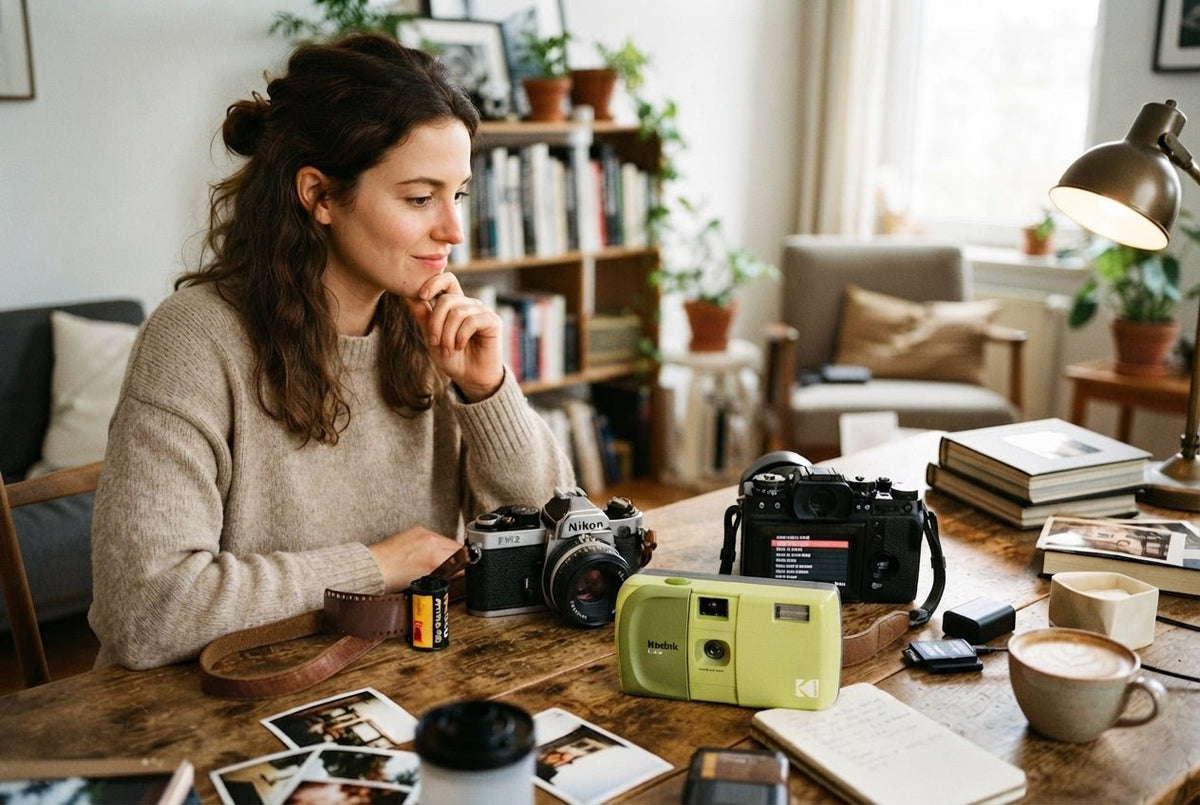
Film asks for attention before the shutter fires. Digital gives you room to experiment after it does. One carries a physical ritual and a certain element of surprise; the other offers speed, precision, and near-limitless repetition. For beginners, urban creatives, and anyone trying to match a camera to a lifestyle or personal way of seeing, the better format comes down to image quality, cost, practicality, creative process, and user experience—including where instant film cameras belong in the mix. Neither is automatically more creative. The right choice shapes not just the pictures you make, but how you engage with photography day to day, so this guide helps you compare the two beyond hype and choose the camera that actually fits your routine, values, and the kind of images you want to make.
Analog and Digital Photography: The Real Difference in Image Quality
An analog camera records an image on light-sensitive film. Every exposure is a physical event: light passes through the lens, reaches the film, and creates a latent image that must be developed before you can see it. Your choice of film stock shapes the result, from grain and contrast to color shifts and highlight roll-off.
A digital camera uses an electronic sensor instead. Light is translated into data, and digital photos are saved to a memory card and available to review immediately. You can change settings from frame to frame, shoot hundreds or thousands of images, and edit the final file with extensive control, which affects the overall image quality workflow as well as convenience.
That technical distinction changes the entire experience. Analog photography has built-in limits. A roll may offer 24 or 36 frames, and each press of the shutter has a cost. Digital removes much of that friction. You can test an exposure, try a different angle, and keep going without waiting for a lab or buying another roll.
The trade-off is not simply limitation versus freedom. Film's constraint can make a photo walk feel more deliberate. Digital's flexibility can make you more responsive to fast-changing light, wider dynamic range needs, moving subjects, and unexpected scenes. One slows the process down; the other expands what is possible in the moment.
Why Film Photography Still Feels Different
Film is often described as nostalgic, but nostalgia is only part of its appeal. The more compelling quality is its material character. Grain is not an effect placed over an image. It is part of the image itself. In analog and digital photography, slight color variation, soft highlights, and film’s colour rendition can make a photograph feel less manufactured and more lived-in.
There is also the delay. With traditional film, you do not get instant results, and you do not know exactly what you captured until the roll is developed. That can feel inconvenient if you are photographing an event you cannot repeat. For personal work, travel, portraits, or everyday observations, it can be liberating. You spend less time reviewing the screen and more time staying present.
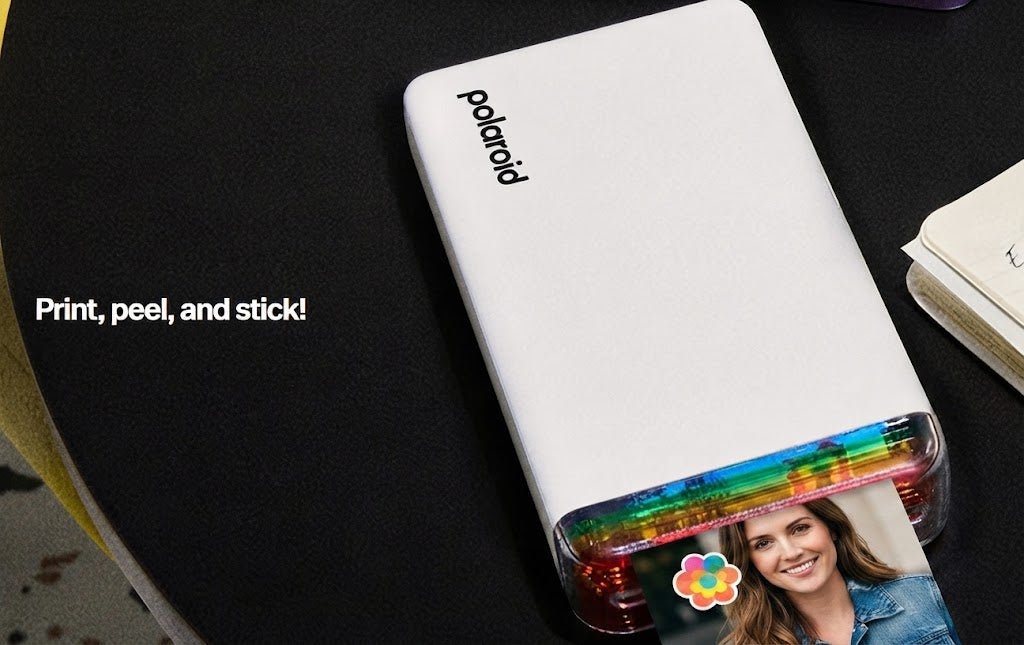
Instant film creates a related but distinct experience. The image appears in your hand, becoming an object as well as a memory. It is social, tactile, and naturally suited to gatherings, gifts, and small milestones. An instant camera will not replace a high-resolution digital setup, nor is it meant to. It offers a different kind of value: a photograph that exists beyond the camera roll.
Analog is not automatically easier or more authentic. It requires some practical knowledge. You need to understand film speed, loading, battery needs, and the basic relationship between aperture, shutter speed, and light. Developing and scanning add ongoing cost and time. But for many people, those steps are exactly where the pleasure lives. That slower, tactile workflow is part of the film experience.
The Cost of Film Is Also a Creative Constraint
Film photography is a commitment after the purchase of the camera. You will buy rolls, pay for processing, and possibly pay for scans or prints. Specialty film stocks can become expensive quickly, especially if you shoot frequently.
That does not mean analog is only for occasional use. It means each frame deserves intention. If you like the idea of editing before you shoot, film supports that mindset. If you want to photograph freely all day, test settings, and capture variations without calculating the cost per image, digital will likely feel more natural.
Where Digital Cameras Win
Digital cameras are built for momentum. A screen lets you confirm focus and exposure instantly. Autofocus systems can track people, pets, and action with impressive accuracy. High ISO performance makes photography more accessible in low light conditions, while burst shooting gives you a better chance of catching the one expression or movement that cannot be recreated.
For travel, content creation, family photography, or any situation where reliability matters, those advantages are substantial. Digital also makes learning more immediate and beginner friendly because the feedback is instant. Change the shutter speed, take another frame, and see what happened. That feedback loop can help a new photographer understand light much faster than waiting for a developed roll.
Editing is another major part of the equation. A digital file can be adjusted for exposure, color, white balance, crop, and detail without changing the original. That control is valuable for photographers who have a clear visual direction, whether they prefer clean, bright product images or moody street photography.
Still, more control can create more decisions. Digital photography often comes with files to organize, settings to manage, batteries to charge, and a temptation to overshoot. A camera's technical side does not automatically create a stronger photograph. The point is to choose the capability you will actually use.
Digital Does Not Have to Look Clinical
The idea that digital images are inherently cold is outdated, and modern sensors do not automatically produce a clinical look. Some photographers even prefer an older camera or older models because lower resolution can produce a softer rendering, and some CCD-sensor models produce colors that feel more organic and film-like. A good lens, thoughtful light, and considered editing can produce images with plenty of texture and atmosphere. Many digital cameras also offer compact, design-forward forms that make them easier to carry than a larger interchangeable-lens system.
If you are drawn to film's visual language but need digital convenience, try using digital and film side by side as a reference before chasing a preset. Fujifilm cameras are often favored for strong film simulations, especially for JPEG output. Underexposed shadows, direct flash, imperfect framing, and a strong point of view often contribute more to a film-like feeling than an editing filter ever will. Shooting with Manual Focus can also add the slower, more deliberate rhythm many people associate with film.
Choose by Your Routine, Not by the Hype
The best camera format is often revealed by your habits. If you want a camera for parties, weekends away, creative journaling, or physical keepsakes, an instant or analog camera can turn ordinary occasions into something more considered. It makes the act of taking a photo part of the event.
If you document work, travel often, photograph in changing conditions, or want to build technical confidence quickly, digital offers a more forgiving and versatile starting point. It is especially practical when missed shots are not an option, and weather sealing adds useful protection for outdoor use and unpredictable environments.
There is room for both. Many photographers carry digital for dependable coverage and use film when they want to work slowly or create a particular mood. Others keep an instant camera close for the moments that deserve to be shared before everyone leaves the room. This is not a loyalty test between old and new technology. Some people want multiple lenses for versatility, while others want a simpler camera they can carry anywhere.
It is also worth separating camera quality from format. A poorly maintained film camera can create frustration, and a complicated digital camera can stay unused in a drawer. Look for a camera that feels good in your hands, fits your bag, and suits the way you spend your time, because the perfect camera is the one that matches your routine, not the one with the most hype. Design matters because a retro design can make you more likely to carry a camera you enjoy using, and the camera you want to carry is the camera that will make more photographs.
A Better First Question Than “Which Is Better?”
Ask what you want to feel when you take photos. Do you want immediacy, the ability to refine, and the confidence of seeing the result right away in the pictures you keep? Digital is likely your format. Do you want fewer frames, more anticipation, and film photos with physical character? Analog may be the better fit.
For a gift, consider the recipient's lifestyle rather than their technical experience. An instant camera can be an easy entry point for someone who values fun, design, shared memories, and spontaneity over technical perfection. A digital compact camera may suit someone ready to photograph more seriously without carrying a large kit, especially if a point and shoot feels more practical, or if they want digital convenience without chasing a specific film look. The strongest choice is not the camera with the longest feature list. It is the one that invites its owner to use it.
At Bang On, the appeal of photography is not just the finished image or a favorite shot. It is the object in your hand, the ritual it creates, and the small decision to notice what is worth keeping. Choose the format that makes you reach for a camera before the moment passes.
Share
Use this guide to watch case sizes to compare diameter, thickness, and lug-to-lug measurements, then find a watch that looks intentional on your wrist every day.
Quartz versus automatic watches differ in more than accuracy. Learn how movement, upkeep, style, and daily habits shape the right choice for your wrist.