
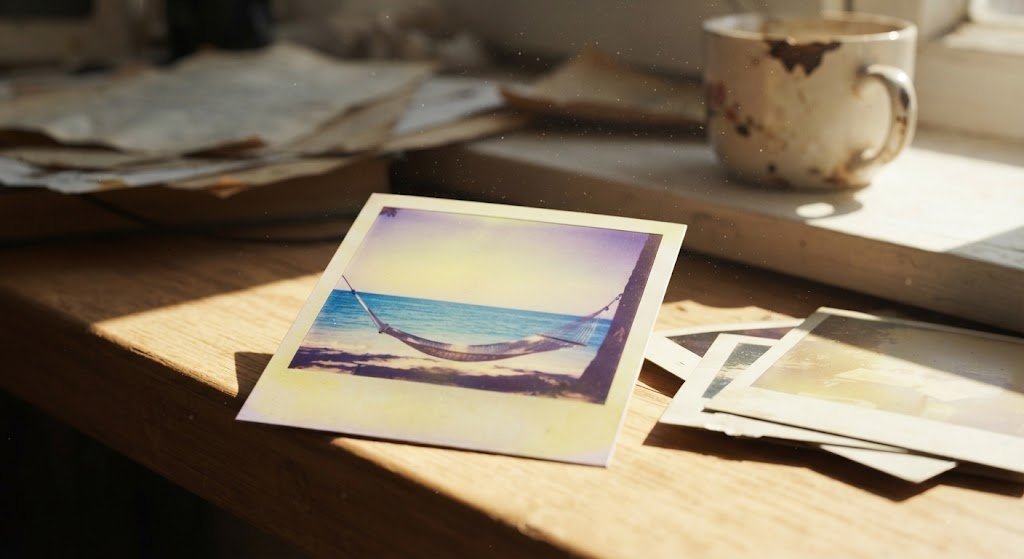
Can Instant Photos Fade? Keep Them Looking Sharp
That Polaroid from a perfect weekend is not just a print. It is a one-off object: the soft highlights, the unexpected color shift, the white border with someone's handwriting on it. Which is exactly why people ask, can instant photos fade? They can, especially when they spend years in direct sun, heat, or a damp room, but with the right handling, storage, and display, you can keep them looking sharp for much longer.
For design-minded instant camera owners, analog photography fans, and anyone who likes to frame, pin up, gift, or archive their prints, a little prevention makes the difference between a photo that stays vivid and one that visibly loses detail. The good news is that fading is not inevitable. Instant prints need a little more intention than a phone gallery, but not museum-level storage. Ahead, we look at why instant photos fade, how to store and handle them properly, what to watch for when displaying them, how different film types behave, and the practical ways to protect the moments you actually want to keep.
Why can instant photos fade over time?
Instant photographs are physical chemical prints, and their color-forming dyes can change over time. Light is the biggest factor. UV exposure and strong daylight gradually break down dyes, which may leave a print looking washed out, yellowed, or less contrasty than it once did. Heat speeds up that process, while high humidity can affect the print's layers and surface.
The exact result depends on the film and print technology. Classic-style instant film, including instax and polaroid film, develops through a chemical process inside the photograph itself, and both can fade if exposed to sunlight. Some compact instant cameras and printers use ZINK paper, which creates color through heat-activated dye crystals. Both deserve protection from harsh conditions, but they may age differently. There is no universal expiration date for an instant photo.
How a print was exposed, developed, handled, and stored all matters. A photo that lives in a sunny kitchen window will age very differently from the same image stored in a cool, dark album. That variation is part of analog photography's character, but it is also a reason to give favorite prints a better home.
The first hours matter more than people think
Newly ejected instant film is still developing, and many instant photos, including instax photos, take about 90 seconds to develop. Treat it gently while the image settles. Keep it out of direct light, lay it face down or shield it according to the film maker's guidance, and avoid bending or pressing on the image area or letting anything press on fresh film while it develops.
One old habit is worth retiring: do not shake the photo, because it will not develop faster. It does not help development, and vigorous handling can create marks or damage a fresh print. Give it time instead. Development time varies by film type and temperature, so a chilly day may call for more patience than a warm indoor setting.
Once a print is fully developed, it becomes easier to handle, but it is never invincible. Hold it by the edges when possible. Fingerprints, skin oils, and friction are particularly noticeable on glossy surfaces and pale borders. If you are creating a wall of small-format photos, assemble it with clean, dry hands rather than passing each print around the room.
Light is the trade-off when you display instant photos
Instant photographs are made to be seen. Hiding every print in a box defeats some of the analog joy. The goal is not to avoid display. It is to choose the right display conditions.
Keep prints away from direct sunlight, including the bright shaft of afternoon light that crosses a shelf for only an hour or two. Even indirect daylight can be intense near a window over long periods; compared with a more sheltered interior wall, natural light there can still fade prints over time even when it feels soft. A hallway, interior wall, or shelf that receives gentler ambient light is usually a better choice than a windowsill, dashboard, or glass patio door.
If a photo matters enough to frame, use a frame with UV-filtering glass or acrylic to preserve the image and help protect it from gradual fading, then keep it out of heat-prone spots. Avoid placing it above a radiator, beside a stove, or in a bathroom where steam is a regular feature. UV-filtering glazing will help, but it is not permission to put the print in blazing sunlight.
For a more casual photo grid, rotate the images. Keep a small archive of your favorites in storage and swap them into your display every few months. It keeps the wall feeling fresh and limits the total light exposure of any one print. This is especially useful for travel photos, party strips, and creative experiments that you would hate to lose.
Store the keepers in a dry place like small design objects
The safest place for instant photos is a cool, dry place that stays dark and stable. A bedroom drawer or interior closet generally works better than a garage, attic, basement, or car. Extreme temperatures and repeated swings are harder on prints than a consistently moderate room because they can speed up harmful chemical reactions.
Choose photo albums, sleeves, and storage boxes made with archival-safe or acid-free materials. Ordinary paper, cheap adhesive albums, and PVC plastic sleeves can introduce chemicals that discolor or stick to prints over time. If you are unsure, look for products specifically labeled photo-safe, acid-free, and PVC-free. With proper care, instant prints that are stored properly can last for decades.
Do not stack a heavy object on top of loose prints. Pressure can cause dents, curling, or surface scuffs, particularly when photographs rub against one another. Placing individual photos in sleeves or using an album with separate pockets gives them simple, useful protection without turning your collection into a locked-away archive.
There are four conditions worth avoiding for the prints you want to keep:
-
Direct sunlight and prolonged exposure to bright window light
-
Hot cars, radiators, attics, and other high-heat spaces
-
Humid rooms, damp basements, and areas with frequent condensation, where moisture can make images blur or develop mold
-
Low-quality adhesives, PVC sleeves, and surfaces that can scratch or stain
A cool, dry drawer plus a well-made album handles most of the job. Let fresh photos cure for at least 30 days before long-term tight storage to help stabilize development.
Keep instax film and finished photos separate in your mind
Unexposed instant film, including instax film, has its own storage needs. It is more sensitive than a finished print, and its performance can suffer when it is stored too warm or past its recommended date. Always follow the film brand's current instructions. Some film is best kept refrigerated before use, and because it is rated at 800 ASA sensitivity, it should still be allowed to return to room temperature before loading it into an instax camera.
That advice is for unopened or unexposed film, not a reason to put developed prints in the refrigerator. Finished photos are better kept at stable room conditions, safely away from moisture. Mixing up these two rules is common, especially for people returning to instant photography after years of shooting only digital.
Fresh film also rewards thoughtful buying. Authentic, properly sourced film is more likely to have been handled and stored as intended before it reaches you, so picking up an extra pack is a practical backup for shooting or travel. For a format built around chemistry, that care has a visible effect on color, contrast, and consistency from the first frame.
Regularly wipe your camera with a dry cloth and check batteries regularly for reliable performance.
What fading actually looks like
Fading is rarely dramatic overnight. More often, you notice it when comparing an older print with a newer one. Blacks may look softer, bright colors may lose intensity, or the overall image may take on a warmer cast. In some cases, a print can also show surface changes from humidity, abrasion, or contact with unsuitable materials.
Not every change means something went wrong. Instant photography has always had an element of variation. Temperature, film age, exposure, and development conditions can create differences from one photo to the next, and Polaroid photos can keep settling for up to four weeks, so wait before reading early color or tonal shifts as true fading. A slightly muted print might be the visual signature of that day, not damage.
The concern is progressive change caused by the environment. If an image looks noticeably paler after living near a window, or if prints in an album are sticking together, move them before the issue spreads. Prevention is much easier than trying to restore color after dyes have already degraded.
Make a display plan that fits your space
For an urban apartment, a compact photo ledge or pinboard on an interior wall can give instant prints the presence they deserve without placing them in harsh light. Like regular photos, they benefit from thoughtful storage and display care. For a desk setup, use a stand and rotate the picture rather than taping it permanently to a monitor or lamp. For gifts, include a simple archival sleeve or small album so the recipient has somewhere better than a wallet or glove compartment to keep it.
If you want the image visible every day, consider making a scan of the finished print as a backup. Scanning does not replace the original object, but it preserves the composition and color at that point in time, helping protect memories even if the physical picture changes over time. It also lets you share the image digitally while keeping the physical print out of constant handling.
At Bang On, we see instant photography as a counterweight to the endless camera roll: a slower object with a real place in your life. Give the photos you love a little shade, a little space, and materials worthy of keeping them. The best instant prints should age with your story, not disappear from it.


