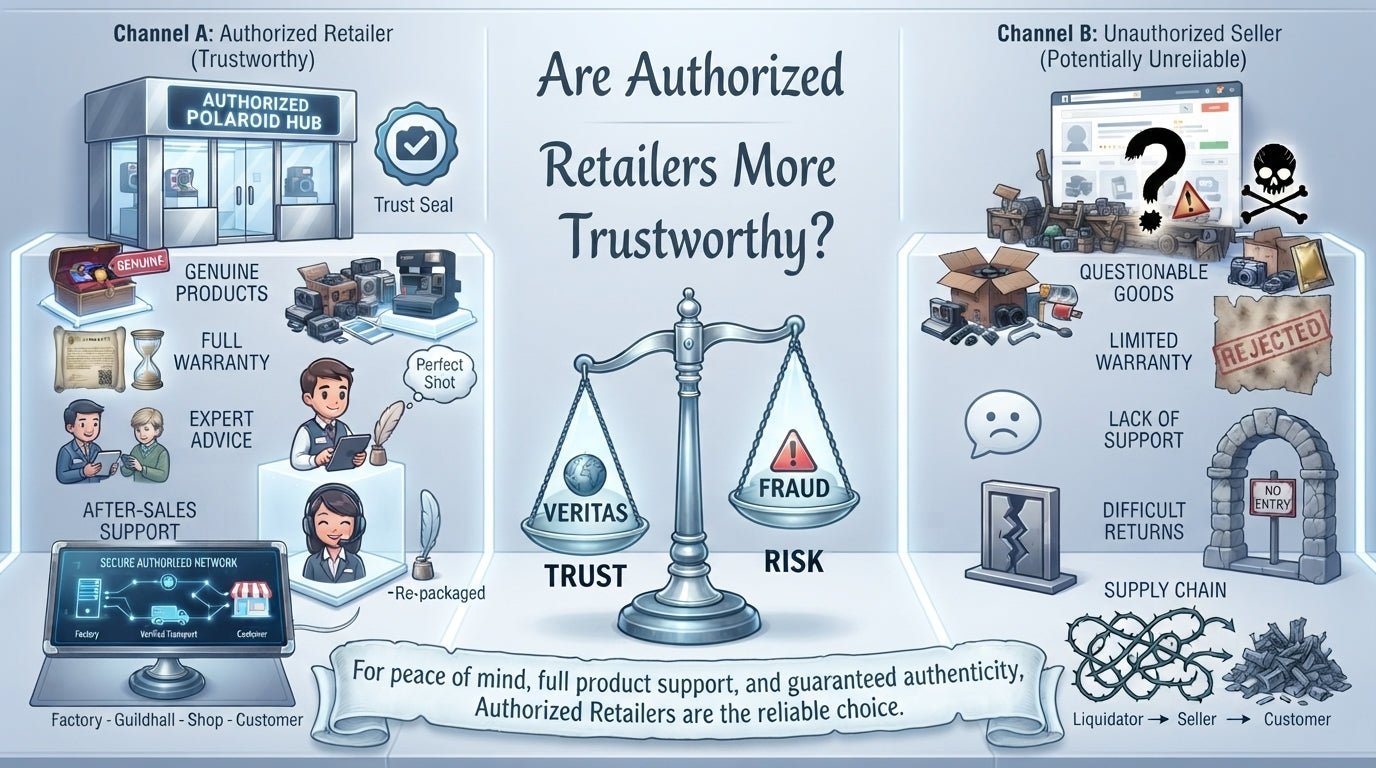
Are Authorized Retailers More Trustworthy?
That lower price can look tempting right up until the warranty claim gets denied, the packaging feels off, or the product arrives with missing parts. So, are authorized retailers more trustworthy? In most cases, yes - especially when you want authentic products, official manufacturer-backed warranty coverage, and less risk of counterfeit goods, gray-market stock, or confusing after-sales support. For urban creative professionals and design-conscious shoppers buying premium watches, bags, cameras, or gifts, that trust can matter as much as the product itself.
Trust is not a logo badge by itself. It comes from what that authorization usually signals behind the scenes: direct brand sourcing, verified inventory, clearer warranty terms, and a more reliable buying experience. This guide looks at why authorized retailers are often the safer choice, where unauthorized sellers may seem cheaper, how to judge whether a retailer is actually trustworthy, and why authorized buying matters more when you care about authenticity, design, and confidence in what you are paying for.
Why authorized retailers tend to earn more trust
An authorized retailer sells products with the brand's approval, and many brands run authorized retailer programs that sellers must apply to through brand-specific processes. That usually means the store sources inventory directly from the brand or through an approved distribution channel, follows brand policies, and can offer official warranty support on eligible products. The benefits include clearer sourcing and accountability, and brands often select retailers based on fit with their standards, so approval is tied to representing the right brands rather than selling everything.
For shoppers, that matters because trust is rarely about one single factor. It is about reducing uncertainty. When you are buying a design-led watch, an instant camera, or a premium everyday bag, you are not just buying an object. You are buying the brand story, the finish, the packaging, the support, the customer experience, the expected product quality, and the confidence that what showed up is what you intended to own.
Authorized status tends to reduce three common risks: counterfeit goods, gray-market inventory, and warranty confusion. That does not mean every unauthorized seller is dishonest. Some are simply resellers. But it does mean the margin for problems gets wider when the seller is operating outside the brand's approved network, especially because brands usually work with select retailers to protect customers.
Are authorized retailers more trustworthy for authenticity?
This is where authorization matters most. If a retailer is authorized, the path from brand to buyer is usually more transparent. The inventory is more likely to be genuine, current, and handled according to the brand's standards, especially in certain product categories.
That is a major advantage in a product category where details matter, and where a retailer should focus on a clear niche instead of a broad, random assortment. Watches, cameras, film, and branded accessories all have active resale and gray-market ecosystems within each category. Some products are copied outright. Others are authentic but diverted from another market, sold without the right paperwork, or stripped of original packaging and support; for example, a camera may arrive with missing regional warranty documents or film in packaging not meant for local sale. To a casual buyer, those differences can be hard to spot before purchase.
An authorized retailer helps remove that guesswork. You are less likely to wonder whether the serial number is valid, whether the strap or lens cap was swapped, or whether the product was intended for a different region with different support terms. That kind of confidence has value, even if the upfront price is not the lowest on the page.
Warranty is where trust becomes practical
Trust sounds abstract until something goes wrong. Then it becomes very practical.
Official warranty coverage is one of the clearest reasons authorized retailers are often the safer choice. Many brands will only honor warranties when the item was purchased through an approved seller. If you buy from an unauthorized source, even a real product may not qualify for service, repair, or replacement.
That matters more than people think. A watch may need movement service. An instant camera may develop a mechanical issue. An electronic accessory may fail just outside the return window. If the brand asks where you bought it, authorization can determine whether the problem gets solved cleanly or becomes your expense.
This is one reason curated authorized retail has such a strong place in premium lifestyle shopping. It does not just present the product well. It protects the ownership experience after checkout.
Price and business models are the main reasons people still look elsewhere
If authorized retailers are often more trustworthy, why do shoppers still buy from unauthorized sellers? Usually, price.
Gray-market and unauthorized sellers can sometimes undercut approved retailers because they source inventory differently, buy distressed stock, import from other regions, or operate without the same brand requirements, while authorized sellers often have to follow pricing rules and other brand rules. On the surface, the product may look identical. For a price-sensitive shopper, the savings can feel worth it.
Sometimes that works out. Sometimes it does not.
The trade-off is that lower pricing often shifts more risk onto the customer, so better pricing is not always better value when warranty, support, and compliance are missing. You may get limited after-sales support, a shorter seller warranty instead of a manufacturer warranty, unclear return conditions, or older inventory. In some cases, the item is authentic but not intended for your market. In others, the problem is more serious.
If you are buying something simple and low-risk, you may decide the discount is acceptable. If you are buying a gift, a collectible item, or a product where service and authenticity matter, authorized retail usually makes more sense.
Trust still depends on the retailer, not just the authorized status label
Here is the nuance: authorized does not automatically mean excellent.
A retailer can be authorized and still offer mediocre service, poor communication, or a clumsy returns process. Authorization speaks to supply chain legitimacy and brand relationship. It does not guarantee great customer care.
That is why smart shoppers look at both layers. First, is the seller authorized? Second, do they present themselves like a business worth buying from?
You can usually tell from the details. Clear product descriptions. A professional online presence on its website or marketplace store. consistent branding across sales channels. Transparent warranty language. Real contact information, and a legitimate seller should use HTTPS for secure browsing. Thoughtful merchandising instead of chaotic discount tactics. These signals point to reliability, so a retailer that feels edited, informed, and accountable is usually easier to trust than one that feels anonymous or transactional.
For design-conscious shoppers, this matters even more. The experience should reflect the product. If a retailer treats premium goods like interchangeable inventory, confidence drops fast.
When unauthorized sellers are not automatically bad
It is worth being fair here. Unauthorized does not always mean fake, careless, or deceptive.
Some unauthorized sellers are reputable resellers with genuine inventory. They may acquire overstock, estate inventory, or products through secondary channels. They may describe items accurately and stand behind their own return policy. For experienced buyers who understand the risks, these sellers can be fine.
But that is the key distinction: you are trusting the seller, not the brand relationship. In that case, the seller's own operations and online sales practices have to be strong enough to stay compliant without brand oversight.
With an authorized retailer, trust is supported by the manufacturer's network. With an unauthorized seller, trust depends more heavily on the seller's own reputation and policies. That is a different equation, and usually a riskier one for buyers who want fewer surprises.
How to tell if a retailer with a professional online presence deserves your trust
If you are weighing where to buy, do not stop at a claim in the footer. Look for evidence. Check the manufacturer's website or its authorized retailer list to confirm the seller is actually approved.
A trustworthy authorized retailer usually states its brand relationships clearly and consistently, while also following brand guidelines and using approved sales channels. Warranty information is easy to find and specific, not vague. Product assortments feel intentional instead of random. The photography, descriptions, and overall presentation suggest familiarity with the brands being sold.
It also helps when the retailer acts like an editor, not just a warehouse. In categories built around style, craft, and everyday use, curation is part of trust. A selective retailer is often signaling that it values product integrity over volume. A smooth buying experience usually reflects stronger compliance and channel discipline. That can be more reassuring than a marketplace approach where everything from luxury watches to phone cables is listed side by side.
Bang On fits naturally into this conversation because its value is not based on having the most products. It is based on carrying recognized brands through authorized channels, then framing them in a way that makes choice easier for urban creatives who want style without uncertainty.
Are authorized retailers more trustworthy for gifts and premium purchases?
Almost always.
If you are buying for someone else, the downside of a bad purchase grows. You do not want to give a watch with questionable papers, a camera with no valid warranty, or an item that feels suspicious once opened. Authorization adds reassurance at exactly the moment when uncertainty feels least acceptable.
The same logic applies to premium purchases for yourself. When the product is meant to last, be collected, or represent personal taste, the peace of mind is part of the value. Saving a little upfront can feel less impressive if the ownership experience becomes complicated later.
There is also a softer factor that matters: confidence. Buying from an authorized retailer simply feels cleaner. Less second-guessing. Less forum-scrolling after checkout. Less wondering whether the low price came with hidden compromises.
The better question is what kind of trust you need
Not every purchase requires the same level of certainty. If you are buying a low-cost accessory and you are comfortable with some ambiguity, an unauthorized seller may be acceptable. If you are buying branded goods where authenticity, warranty coverage, condition, and presentation matter, authorized retail is usually the stronger choice. On the retailer side, that status usually comes through formal business models, not casual reselling. An online authorized retailer typically needs a legal business entity and clear corporate structure before applying. Brands also tend to prefer an authorized online retailer with a focused niche that can sell products well, rather than a marketplace only operation trying to sell everything.
So, are authorized retailers more trustworthy? Yes, in the ways that matter most to most buyers. They generally offer a more reliable path to authentic products, official support, and a smoother ownership experience, and the online authorized retailer model is designed to protect customers across approved sales channels. That does not make every authorized seller perfect, and it does not make every unauthorized seller suspect. But if your goal is to buy once, buy well, and avoid preventable friction, authorization is still one of the clearest trust signals available. For retailers, common pitfalls include poor brand fit, weak compliance, and trying to find brands before deciding how you will sell.
The smartest purchases are not always the cheapest ones. They are the ones you do not have to keep worrying about after they arrive.
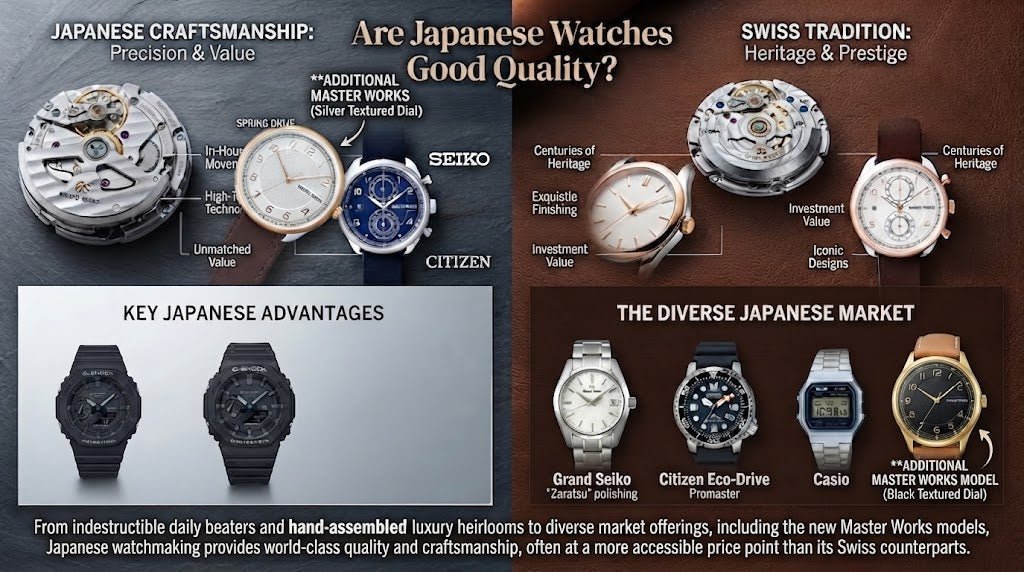
Are Japanese watches good quality? Yes - often exceptionally so. Learn what sets them apart in accuracy, finishing, value, and design.