How to Style an Instant Camera for Everyday Use
An instant camera works best as both a photography tool and a fashion accessory, so if you want to style an instant camera for everyday use, start with a body color that fits your wardrobe, add a strap that suits how you move through the day, pair it with a bag that carries it cleanly, and finish with small practical details that make you want to bring it everywhere. It is not meant to disappear into a drawer between parties; it belongs in the same visual conversation as your watch, bag, sunglasses, and favorite jacket.
For urban creative professionals and design-conscious everyday dressers who want their gear to look considered without losing function, learning how to style an instant camera is less about covering it in accessories and more about giving a functional creative tool a natural place in your daily look. The best setups feel collected over time: a camera color and shape that work with your outfits, a strap and bag that make carrying it effortless, a mix of color palettes and textures that feels coherent, and a few personal but useful touches, including how you pack film and style the camera for different occasions. Done well, your camera stops being a gadget you rarely use and becomes an easy, distinctive part of everyday life.
Start With the Camera's Color and Shape
Your camera is the foundation. Before adding a strap, case, or charm, consider its silhouette and color the way you would a small bag. A compact model in black, white, silver, or a muted neutral is easy to work into an everyday rotation. It suits a structured crossbody, a clean overshirt, or a minimal travel setup without asking for attention.
Brighter cameras make a different statement. A saturated red, yellow, blue, or pastel finish can become the focal point of an otherwise restrained outfit. This works especially well when you repeat one small color note elsewhere, such as the stitching on a cap, a watch strap, or a detail on your sneakers. Repetition makes a colorful camera look intentional rather than accidental.
There is no need to match every item precisely. A warm-toned camera next to olive canvas, navy nylon, or washed denim often looks better than a head-to-toe color story. Think in terms of balance: clean neutrals can carry a playful camera, while louder prints and graphic clothing usually benefit from a simpler camera finish.
Style an Instant Camera Like an Everyday Accessory
The most useful answer to how to style an instant camera is also the most practical: make it easy to carry. If a camera lives in the bottom of a tote, it rarely gets used. If it sits securely at your side or across your body, it becomes part of the day.
Choose a strap that fits your routine
A wrist strap is ideal for casual walks, dinners, and quick snapshots where you want the camera close but unobtrusive. It keeps a compact instant camera from feeling like extra equipment and gives the object a more personal, almost collectible character.
A neck or crossbody strap is better for travel, festivals, street photography, and days when you expect to shoot often. Look for an adjustable length and sturdy attachment points first. Style matters, but a strap that twists, digs in, or makes the camera swing awkwardly will quickly lose its appeal.
Leather or leather-look straps bring a more polished, heritage-leaning note. Woven webbing and nylon feel sportier and work naturally with technical bags, lightweight shells, and casual city wear. A patterned strap can be great, but let it be the main graphic element. Pairing a bold strap with a bright camera, logo-heavy bag, and busy outfit can feel crowded.
Let your bag do some of the styling
An instant camera and a well-chosen bag should function as a unit. A slim crossbody makes sense for a compact camera, a film pack or two, and a few daily essentials. A structured mini bag gives the camera a sharper, more dressed-up context for gallery openings, dates, or creative events.
For weekend trips, a waterproof backpack or nylon day bag is the better move. Choose a compartment that keeps the camera separate from keys and loose chargers. Protection is not glamorous, but scratched lenses and crushed film are not part of the look.
If you carry your camera visibly, avoid treating it like a dangling add-on. A camera clipped to the outside of a bag can look effortless, but only when it is secure and protected from knocks. Use an external carry position for a walk, a shoot, or a transit day, then put it away when the setting gets crowded or wet.
Build a Palette, Not a Perfect Match
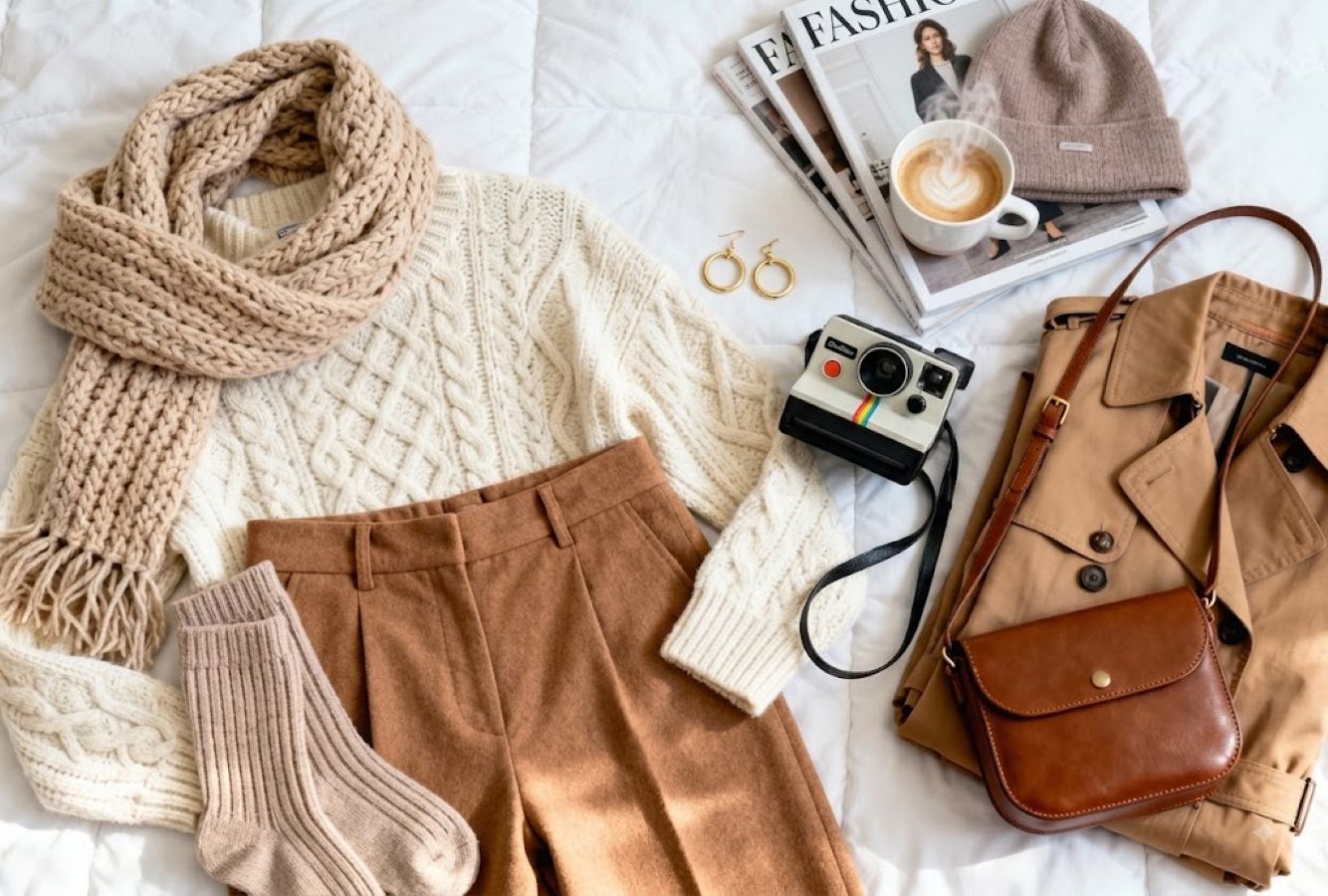
A polished instant-camera setup relies on a tight palette. Pick two or three recurring tones across the camera, strap, bag, and smaller accessories. Black, gray, and chrome make a crisp modern combination. Cream, brown, and forest green feel warmer and slightly more analog. Navy, red, and off-white offer a classic graphic contrast without becoming overly themed.
Texture matters just as much as color. A glossy plastic camera looks especially good against matte canvas, soft leather, brushed metal, or heavyweight cotton. That contrast keeps a camera from reading as toy-like. On the other hand, a sleek monochrome camera paired with technical nylon and polished hardware creates a deliberately futuristic feel.
If your personal style shifts day to day, keep the camera neutral and change the strap or case, whether you carry a fujifilm instax or a Polaroid model. It is a less expensive, less permanent way to refresh the look. A black or white camera can move from a clean office commute to a weekend market with only a strap swap and a different bag.
Add Personality to Your Camera: Instax Photography Tips Without Blocking the Function
Personalization should support use, not interfere with it. A small name label, a discreet sticker, or a simple charm can make an instant camera recognizable at a party or on a shared trip. It can also make the camera feel more yours in a world of identical devices.
Keep clear of the lens, flash, viewfinder, film door, and eject slot. This sounds obvious, yet decorative skins and oversized stickers often create real problems. Film cameras need room to work, and their charm is partly in the ritual of loading, shooting, and watching a print develop without friction.
A protective case is worth considering if you carry your camera frequently. Soft cases add texture and reduce everyday wear, while fitted hard cases offer more protection in a backpack. The trade-off is access. If you need to remove the camera from a case every time you shoot, you may miss spontaneous moments. For daily use, a half case or a slim pouch is usually the more natural choice.
Make Instant Film Part of the Experience
Film is not only a consumable. It shapes the mood of what you make. Standard color film is the easiest choice for social events, travel, and gifts because it preserves the familiar instant-photo look people expect. For a compatibility example, the Instax Mini 12 uses Instax Mini Film, which measures 2.1 by 3.4 inches. The Polaroid Now+ uses i-Type and 600 film types. Black-and-white film can feel more editorial and is especially effective for architecture, portraits, and evenings with strong contrast.
Frames offer another styling opportunity, but restraint helps here too. A clean white border keeps the image timeless. Colored or graphic frames can be fun for birthdays, vacations, and collaborative photo walls, yet they may compete with the image if every shot has a different visual treatment. With instax mini, film choice also affects budget, since instax mini film runs about $1 per shot.
Carry instant film in a way that respects the camera's purpose, and store it cool and away from sun, ideally around 4°C to 18°C; for polaroid film, the fridge helps preserve it. A slim film pouch, a dedicated pocket in your bag, or a small organizer keeps packs protected and makes you more likely to shoot freely. Polaroid stock gives best results when you use it within a month, and the same rule helps maintain color and contrast with instax film. Bring only what you expect to use, though an extra pack makes sense for longer days or travel without overpacking. If you head out with film inside the camera, protect it from heat and rough handling, and avoid disturbing the film cartridge unless necessary. Hauling excessive film turns a light, spontaneous camera into gear.
After you shoot, let the process happen naturally so instant photos can develop for about 90 seconds on a flat surface rather than being shaken, which helps protect instax photos from uneven development. To store finished shots, keep them in a photo album and away from direct sunlight to reduce fading.
Dress for the Moment You Want to Photograph
An instant camera changes how you participate in a setting, and in recent years its tactile appeal has stood out again against the polished feel of digital photography. It gives people a reason to pause, gather closer, and leave with something physical. Styling it well means considering the occasion, not just the object. It also works especially well at photography events, where the prints can double as creative displays and help you capture memories on the spot.
Discover a few top tips for using an instax camera well in everyday situations.
First things first, load your film, check the battery, and make sure the camera is ready before you head out. For a dinner, keep the camera compact and refined: a neutral body, a clean strap, and one pack of film, and favor natural lighting over harsh flash for clearer results; press the shutter with a steady hand and stay aware of exposure in low light. Some users also half-press the shutter button first to help with focus before taking the shot. For a weekend market or neighborhood walk, use a crossbody carry setup that leaves your hands free; if you are taking photos up close, keep the camera about 30cm to 60cm from the subject, and on compatible models selfie mode can help with self-portraits. For a party, a colorful camera can be the conversation starter, especially if you are ready to hand out the prints instead of saving them all for yourself. Aim and frame carefully with parallax in mind, try different angles for stronger composition, and if the lighting conditions turn dark, use a tripod for steadier shots. If your camera supports double exposure, you can layer two images for a more artistic result.
At Bang On, the most compelling camera setups are the ones that feel used, not overly arranged. A camera should show up in your life because it helps you notice it better. Choose the color that fits your eye, the carry option you will actually use, and enough film to turn a passing moment into something you can hold, whether that means documenting travel photography, meals, the weather, or time with friends with better contrast and clarity from natural light, as any photographer builds creativity through daily practice rather than treating it like one of many digital cameras.