Article: Analog Photography Trends Worth Watching Now
Analog Photography Trends Worth Watching Now
A Polaroid print developing on a café table says more than a perfectly edited camera-roll post. That is the real energy behind analog photography trends worth watching now: a growing pull toward personal, imperfect images, the social use of instant film, the comeback of compact film cameras, cameras chosen as design objects, and a renewed appreciation for prints you can actually hold.
For urban creatives and photography enthusiasts who care about authenticity, visual culture, and tactile image-making, analog is no longer a niche hobby reserved for darkroom purists. It has become part of everyday visual culture - carried to dinner, packed for a weekend trip, brought to a concert, or gifted to someone with a good eye.
The appeal is not nostalgia alone. In a digital feed flooded with endless photos that are easy to scroll past and just as easy to lose, film offers a more deliberate way to make pictures feel personal again. This piece looks at where that shift is showing up now: personal expression in film photography, instant film’s social role, the resurgence of compact cameras, the value of imperfection, design-led camera choices, and why physical photo prints still matter.
Film Photography Trends Are Becoming More Personal
The strongest shift in film culture is not about technical perfection. It is about point of view. People want photographs that look like they belong to a specific person, place, and moment. Soft focus, uneven flash, grain, color shifts, and a little motion blur are no longer automatic mistakes. In the right context, they are evidence that somebody was there.
Digital photography can offer near-limitless revisions. Analog asks for a choice before the shutter clicks. With film costs and a finite number of exposures, each frame carries more weight. That slower process suits a generation used to producing images constantly but increasingly selective about which ones are worth keeping.
This does not mean every analog image needs to be precious. The current mood is more relaxed than that. A quick instant portrait at a party can matter as much as a carefully composed street scene. The difference is that the final object feels considered, even when the image itself is spontaneous.
Instant Film Is the Social Format
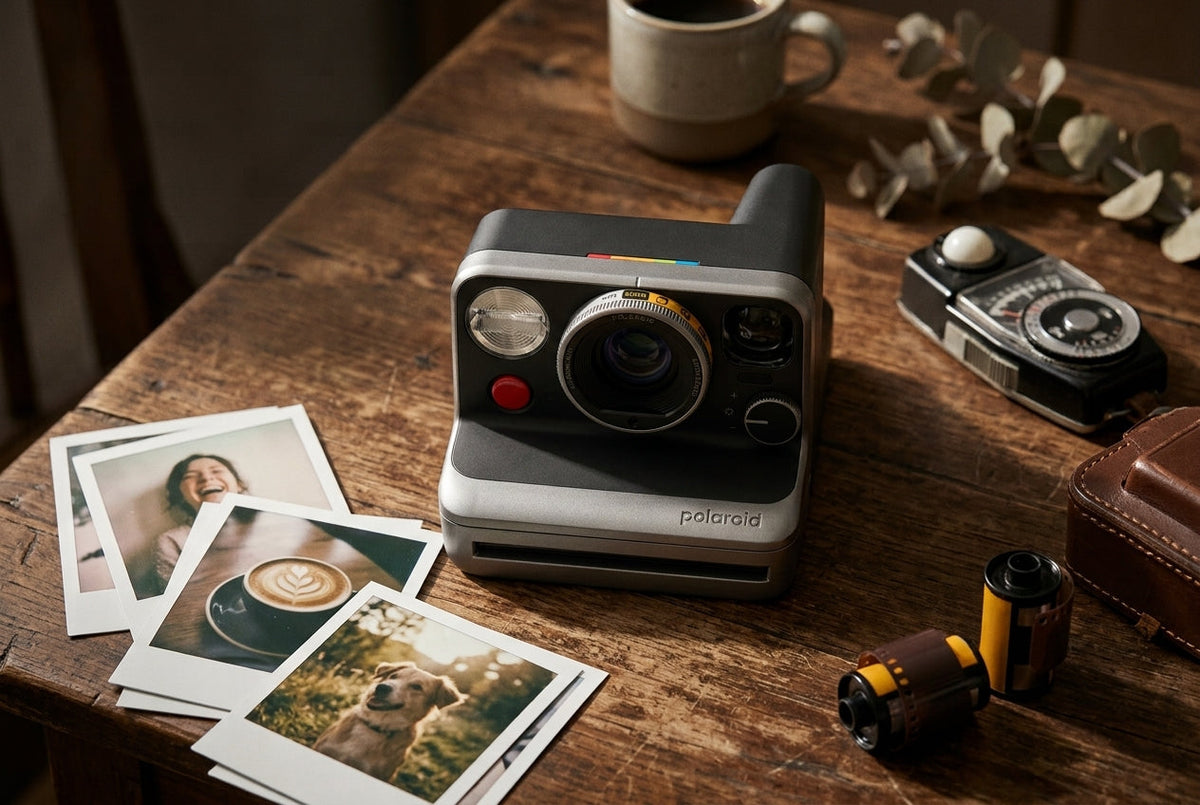
Instant cameras remain central to the analog revival because they make photography visible in real time. The camera becomes part of the gathering rather than a device someone checks afterward. A print passed around a table creates its own small ritual: wait, watch, react, write something on the border, take it home.
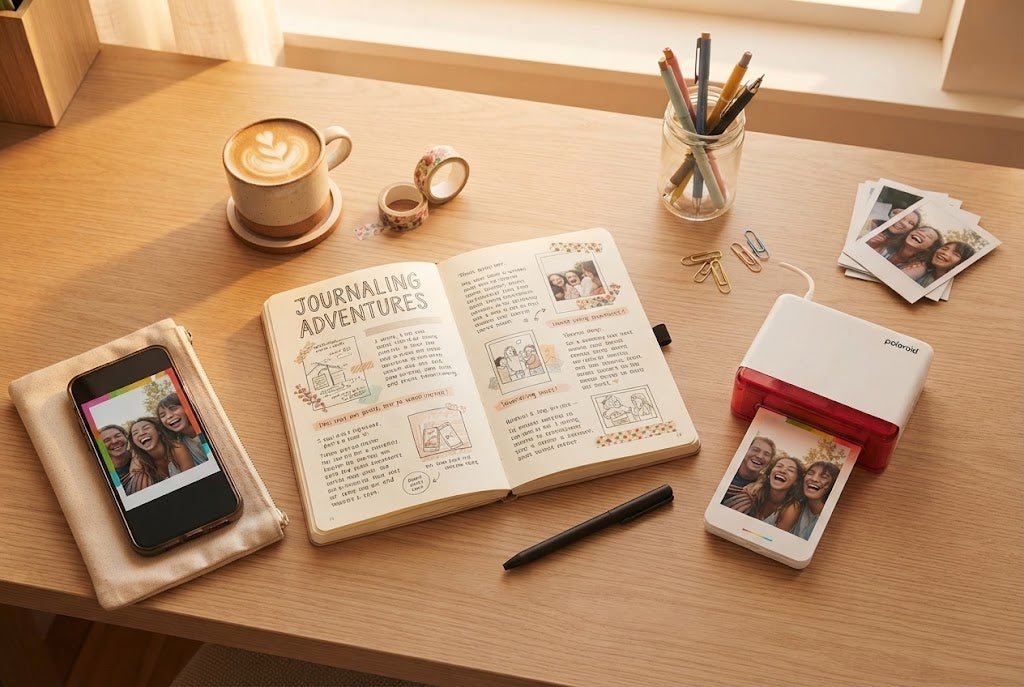
That social quality is hard to reproduce with a phone. A phone captures everything, but it rarely gives a group one shared artifact. Instant film does. It is tactile, collectible, and naturally suited to birthdays, housewarmings, trips, weddings, and low-key nights that deserve better than disappearing into a photo library.
The trade-off is part of the format. Instant film is not inexpensive, and lighting can be unforgiving. A camera with flash may flatten a carefully lit room, while a dim bar can produce unexpected results. But those limitations are also what give the image its mood. The best approach is not to expect studio control. Use instant photography for atmosphere, faces, gestures, and scenes where the feeling matters more than fine detail.
For first-time buyers, simplicity matters. A camera that is easy to carry and intuitive to use will see more real-world use than a complicated model left at home. Design matters too. The camera is often visible, shared, and handed to friends. It should feel like an accessory worth bringing along.
Compact Film Cameras Are Back in Rotation
Compact point-and-shoot cameras are another major force in current analog photography trends. Their appeal is practical as much as visual. They are small enough for a jacket pocket or everyday bag, quick enough for a passing moment, and less conspicuous than a larger interchangeable-lens camera. Disposable cameras are also beginner-friendly because there are no settings to adjust.
The point-and-shoot look has also become a recognizable visual language: direct flash, close framing, saturated color, and candid movement. It works especially well for travel, nightlife, street style, and documentation that should feel immediate rather than overly composed.
There is, however, a difference between buying into the aesthetic and buying the right tool. Vintage compact cameras can be charming, but condition varies widely. Auto-focus systems, shutters, battery doors, and flash units can fail after years in storage. For someone who wants the experience without the uncertainty, a current camera or a carefully sourced model with clear support can be the more sensible choice. The Canon AE-1 Program is a well-known option because it offers both manual and automatic exposure modes. The Nikon F100 also suits photographers who want compatibility with modern Nikon lenses.
Film choice changes the result as much as the camera. A daylight-balanced color film can bring clean, natural color to bright outdoor scenes. A higher-speed film is more flexible for interiors and evening use, though it may show more grain. Black-and-white film strips a scene down to contrast, texture, and shape. For beginners, Ilford HP5 is an easy black and white film to start with. There is no universal best option - the right one depends on where and how you shoot. Kodak Ektar H35N is a half-frame option that can deliver 72 exposures from a 36-exposure roll.
The New Rule: Carry What You Will Use, Even a Disposable Film Camera
The most stylish camera is not necessarily the most expensive or technically ambitious one. It is the one you take with you. That is why compact formats, instant cameras, and playful mini cameras are attracting attention. Lightweight, handy cameras lower the barrier between seeing a moment and recording it.
For an everyday setup, think in terms of habit. A pocketable camera with a lightweight everyday setup works for daily walks and city weekends. An instant camera earns its place at gatherings and celebrations. A small camera with a distinctive design can become a natural part of your carry, much like a watch or bag that reflects your taste without asking for an explanation.
Imperfection Is a Feature, Not a Filter
The appetite for analog imagery has been partly fueled by digital filters, but the appeal of actual film goes further. Film does not imitate imperfection. It creates a specific physical response to light, exposure, lens character, and development, with aperture and shutter speed shaping that response in ways you feel in the final frame. Two frames from the same roll can feel related without looking identical.
This is why generic “film look” presets often fall short. They can add grain and faded tones, but they cannot recreate the decisions and accidents built into shooting film. Tools like a light meter, or even the Sunny 16 Rule, help beginners understand exposure settings. A missed focus point, a flash that reaches a little too far, or a frame taken half a second late can become the detail that gives the image its charge.
That said, analog is not automatically more meaningful than digital. A great phone photograph remains a great photograph. The point is not to treat film as morally superior. It is to choose the format that fits the moment. Digital is ideal when you need speed, volume, immediate sharing, or reliable low-light performance. Many photographers now use a hybrid workflow, shooting film and then scanning for light editing. Analog is ideal when you want the process to shape the result. And the waiting for development creates anticipation that instant playback cannot replicate.
Cameras Are Becoming Design Objects Again
The camera market is increasingly shaped by people who care about form as much as function. They want objects with tactile controls, recognizable silhouettes, and colors that feel intentional. New hardware such as the Leica M6 also signals continued commitment to the analog market. This is not superficial. When a product is designed to be held, displayed, and carried, it becomes easier to build into a creative routine.
That is also why collectible mini cameras and character-led releases are gaining traction. The resurgence of sustainable buying habits has also increased interest in vintage photography gear. They offer a lower-stakes route into photography, with enough visual personality to feel giftable and fun. They are not replacements for a serious film camera, nor are they trying to be. They are conversation pieces that happen to make images.
For a more considered purchase, look beyond specifications. Collectible models have also risen significantly in value, so condition, service history, and long-term serviceability matter. Think about film availability, battery type, ease of carrying, and whether the camera suits the photographs you actually want to make. A vintage camera can still be affordable, but the right gear depends on how you shoot and what you want to save. A model built for spontaneous flash portraits may be perfect for your social life and wrong for quiet landscapes. The most useful curation starts with that honest distinction, with respect for the medium’s history. Camera Rescue had saved 100,000 film cameras by May 2021.
Print Culture Is Part of the Return
One of the clearest signs that analog has staying power is the renewed value of prints. People are pinning photos to walls, slipping them into notebooks, tucking them into gifts, and building small archives that do not require a password. The image becomes part of a room, not just part of a feed. Film photography sales have tripled since 2020, which shows the return has real commercial momentum.
This matters because photographs are increasingly abundant and strangely easy to lose. A print gives an image a physical address. It can fade, crease, and travel, but it is also more likely to be found years later. That physical permanence also reflects an expanding analog photography community across hardware, chemistry, and artistic expression. That durability of feeling is central to the appeal.
TikTok trends such as #filmisnotdead have helped popularize film photography. The growth of community darkrooms and independent lab spaces, along with rising interest in ECN-2 motion-picture film stocks, gives more people reliable places to process work and keeps the culture moving.
Bang On's view is simple: the best camera is one that makes you want to notice more. Choose a format that fits your life, keep it close, and let a few frames be imperfect. The images worth keeping rarely arrive because everything went according to plan.